

Key Dates
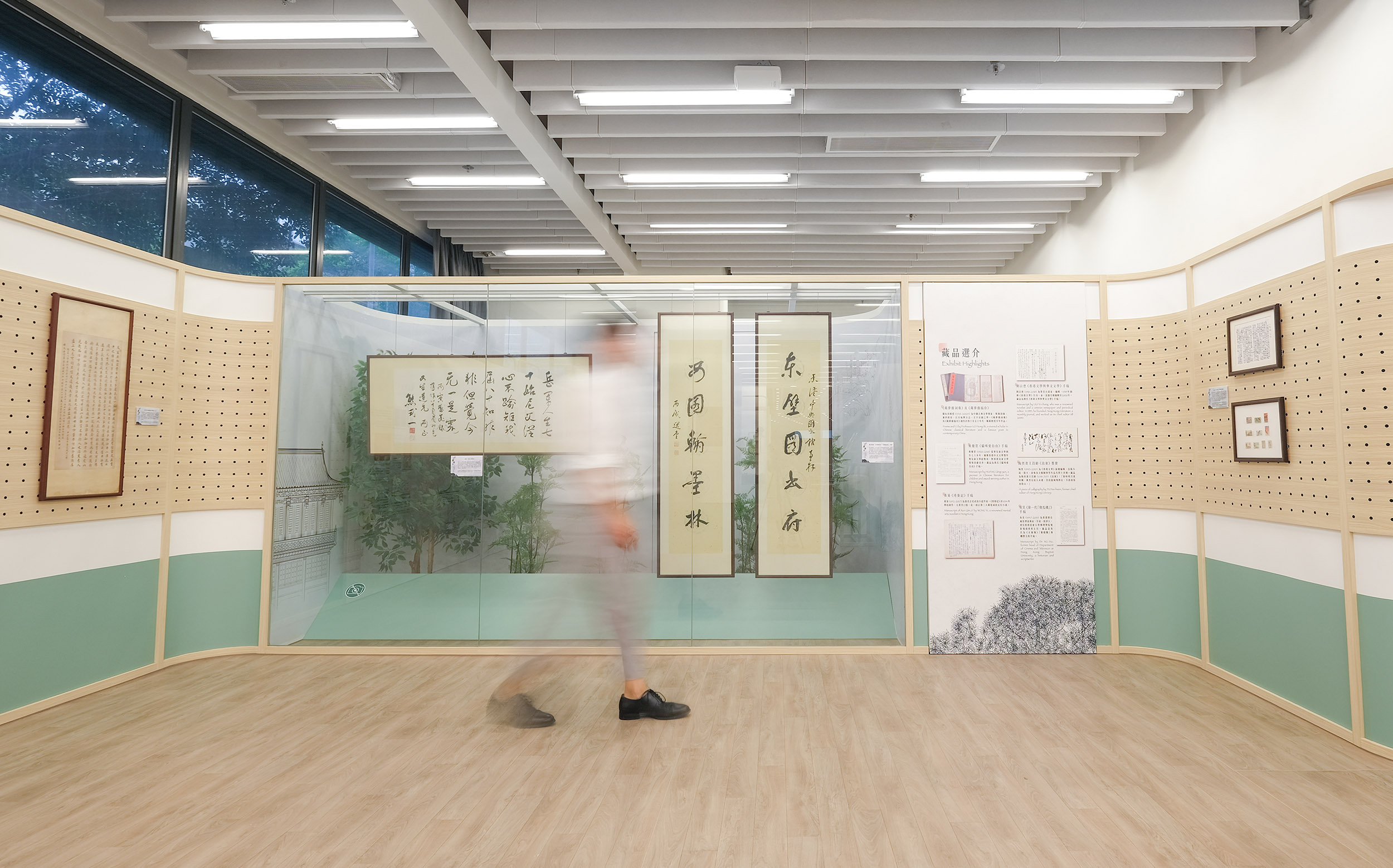
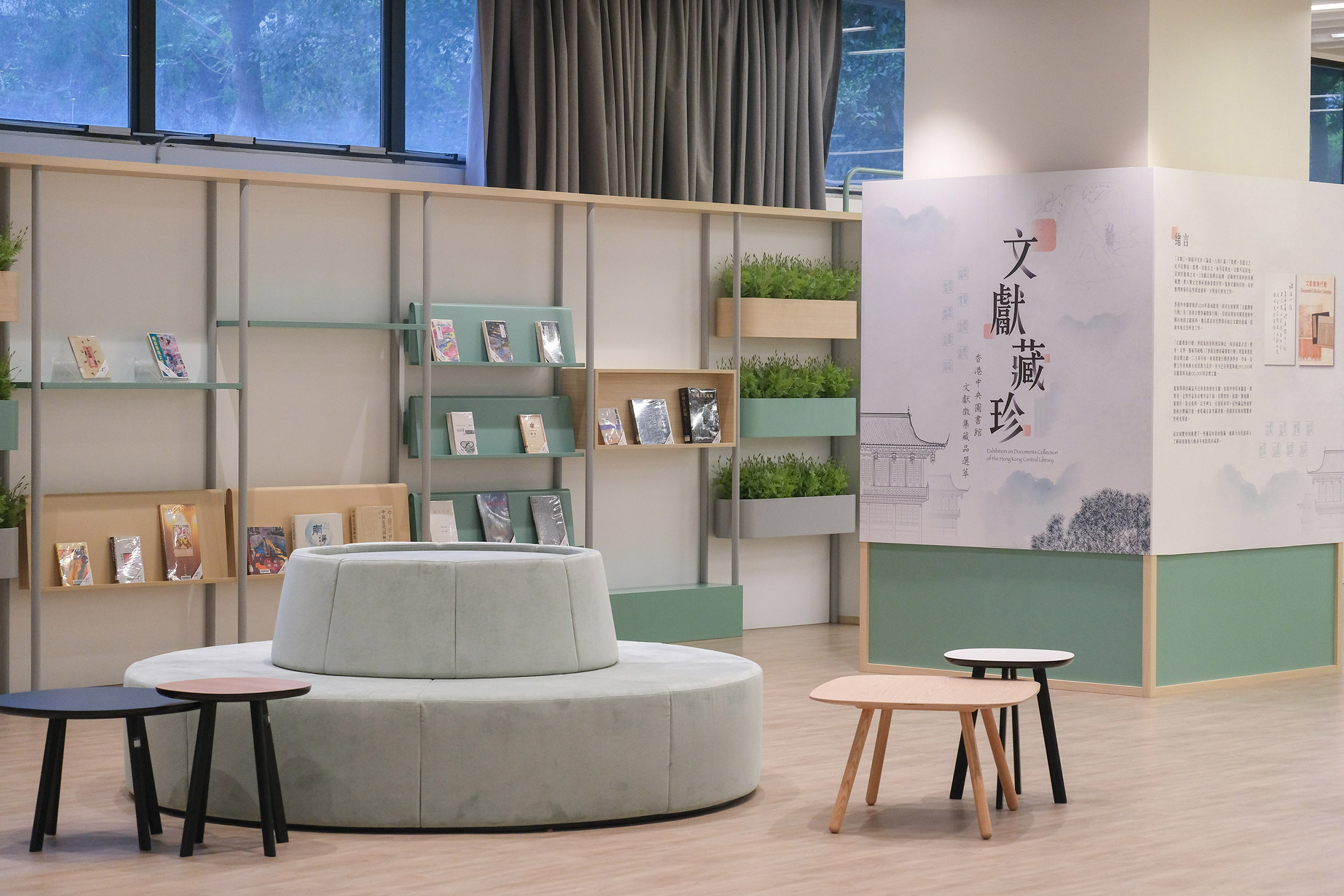
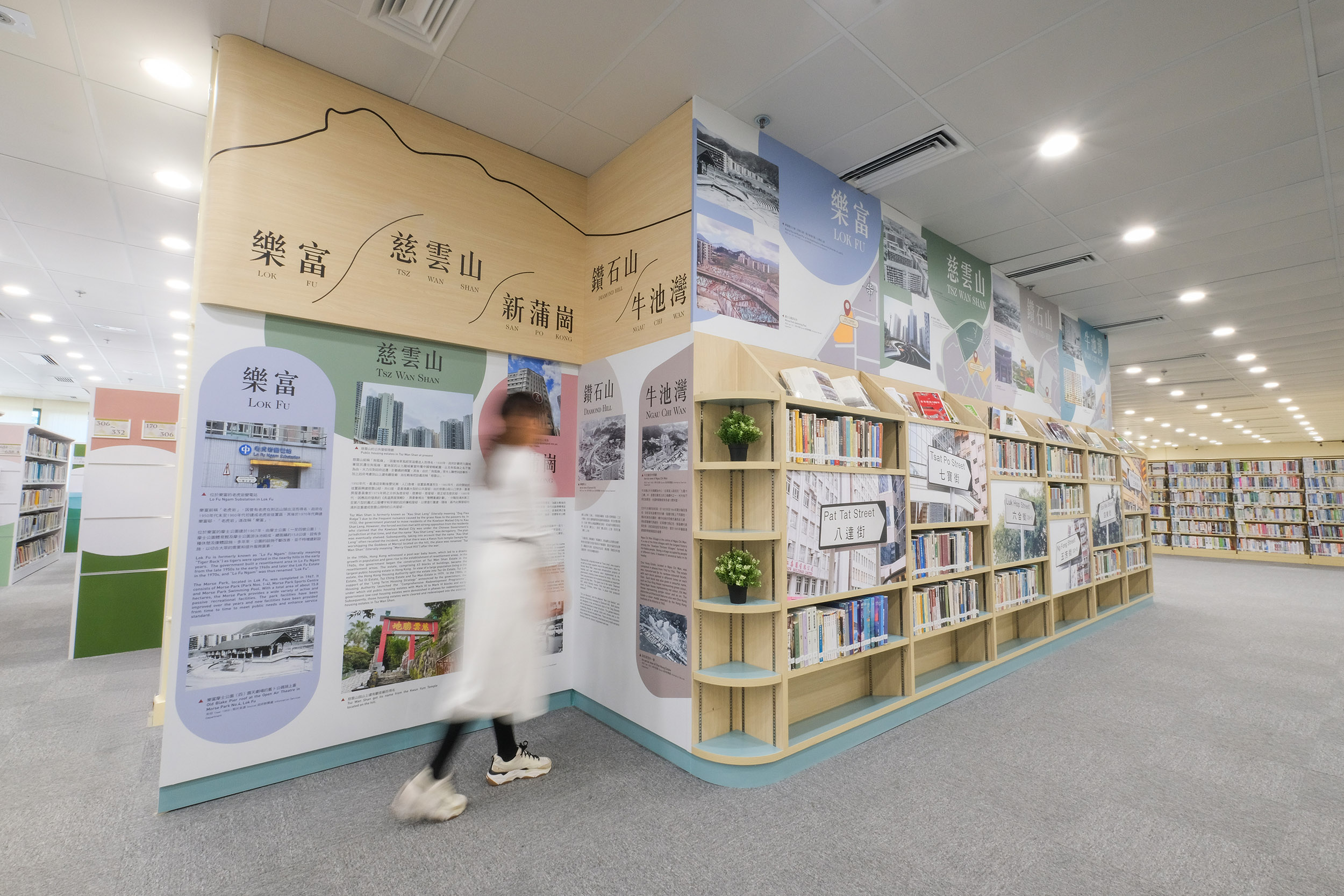
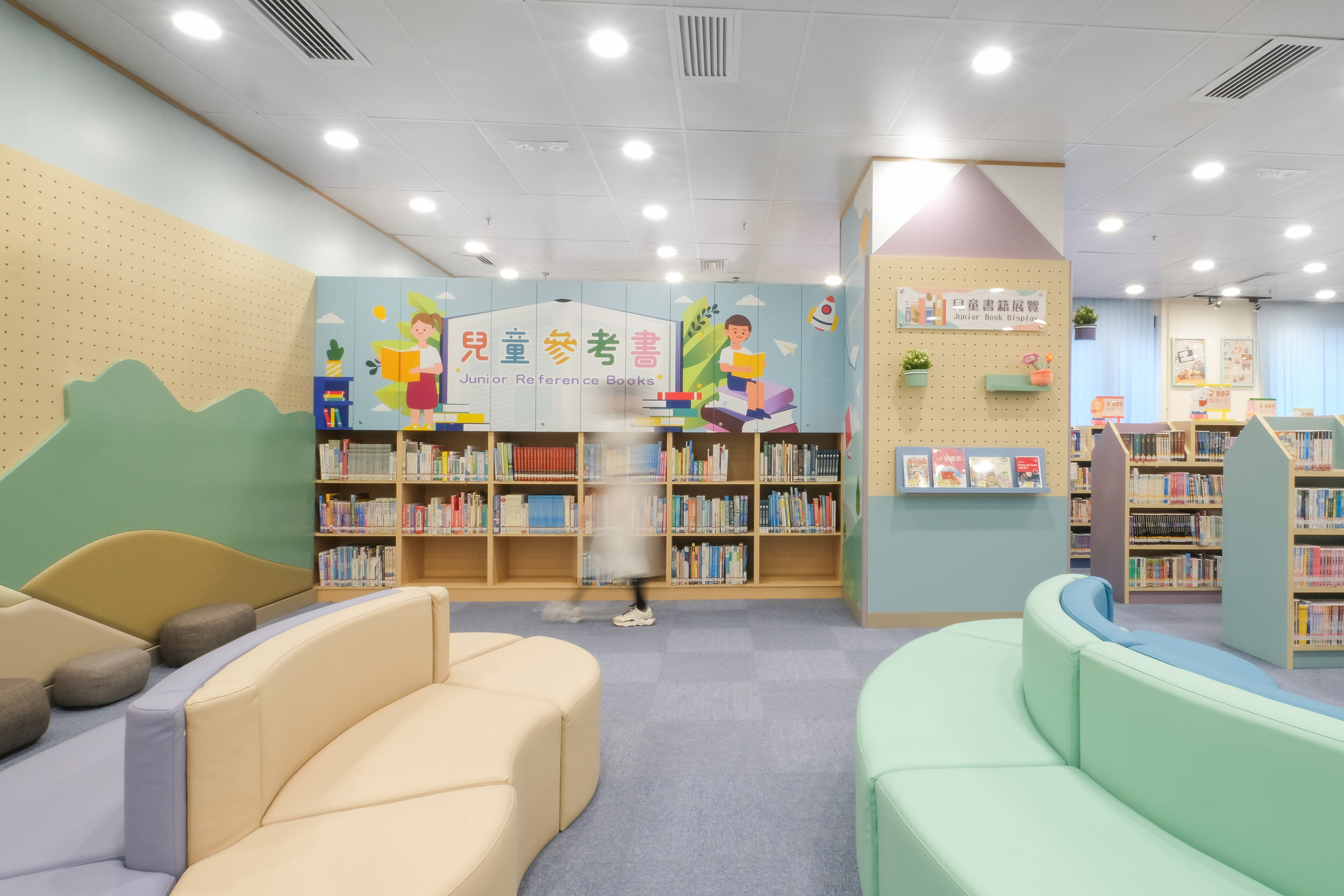
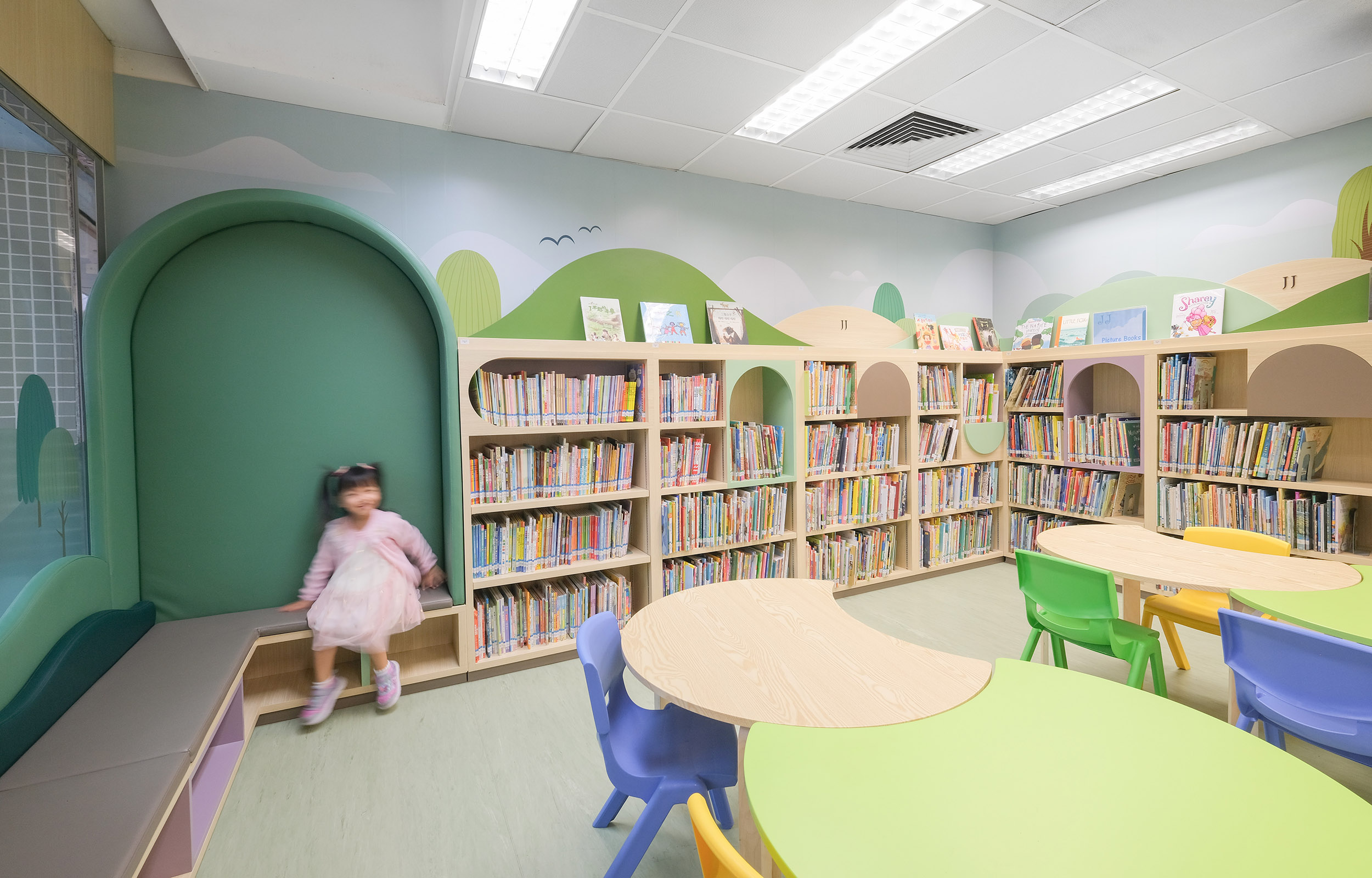
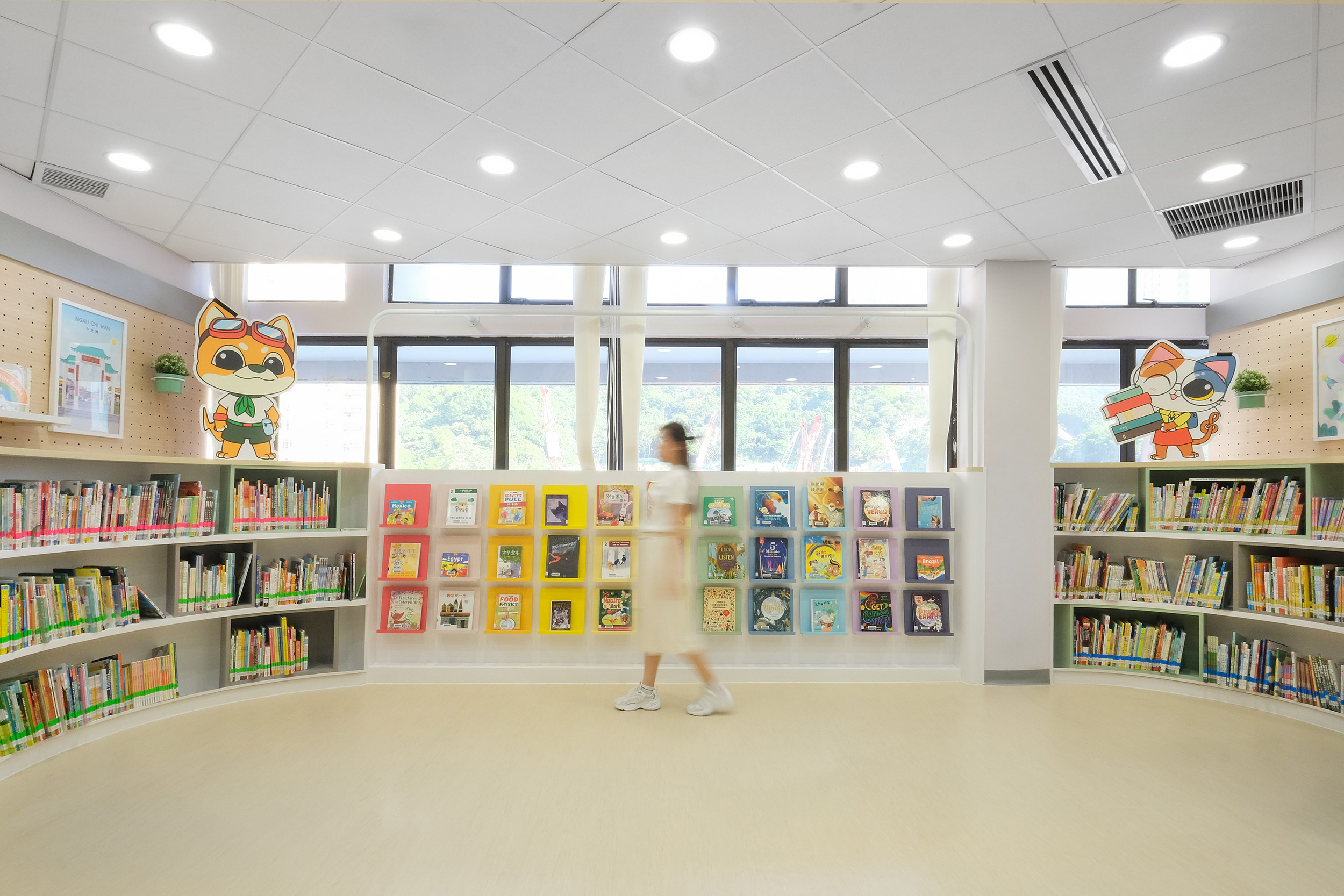
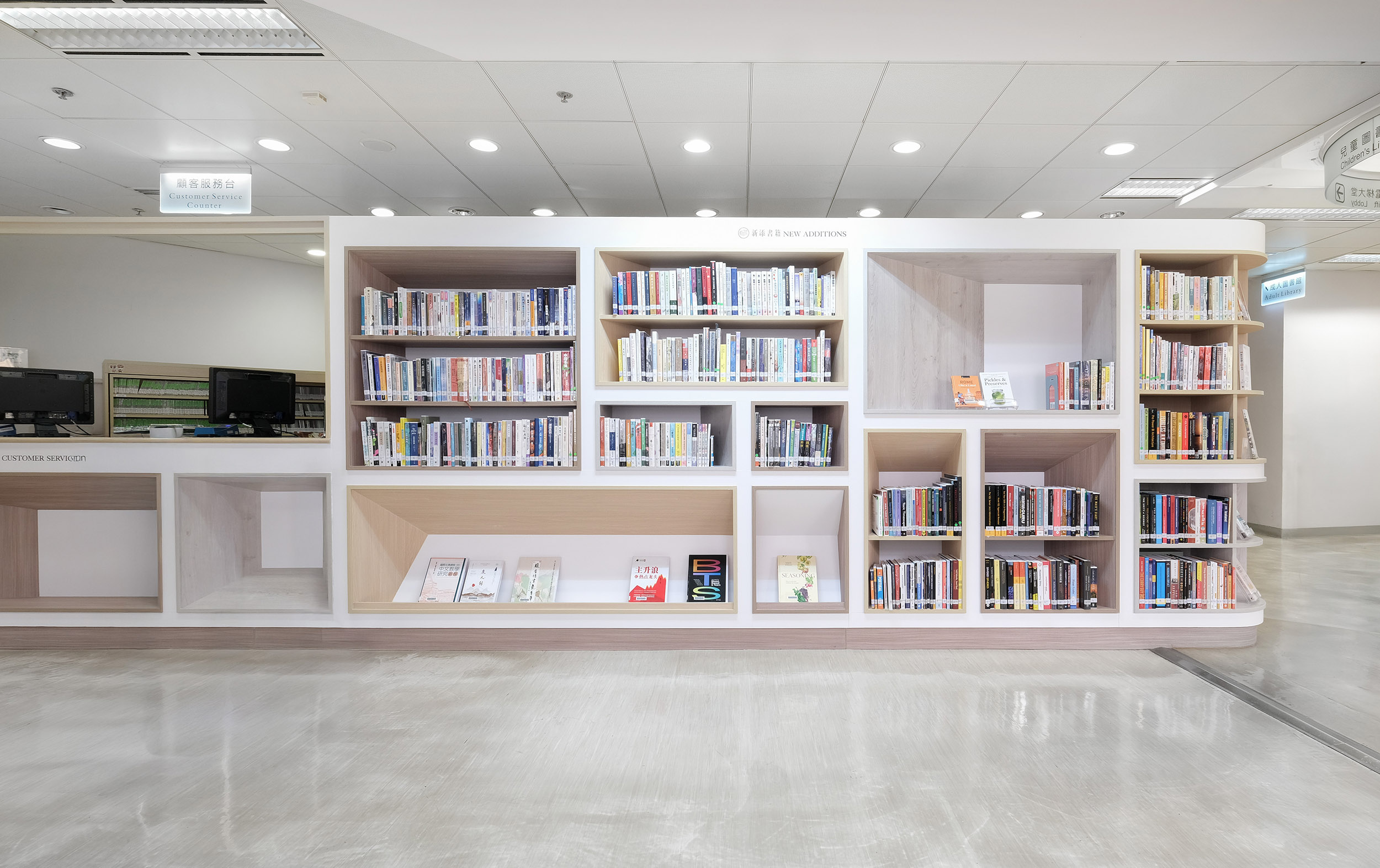
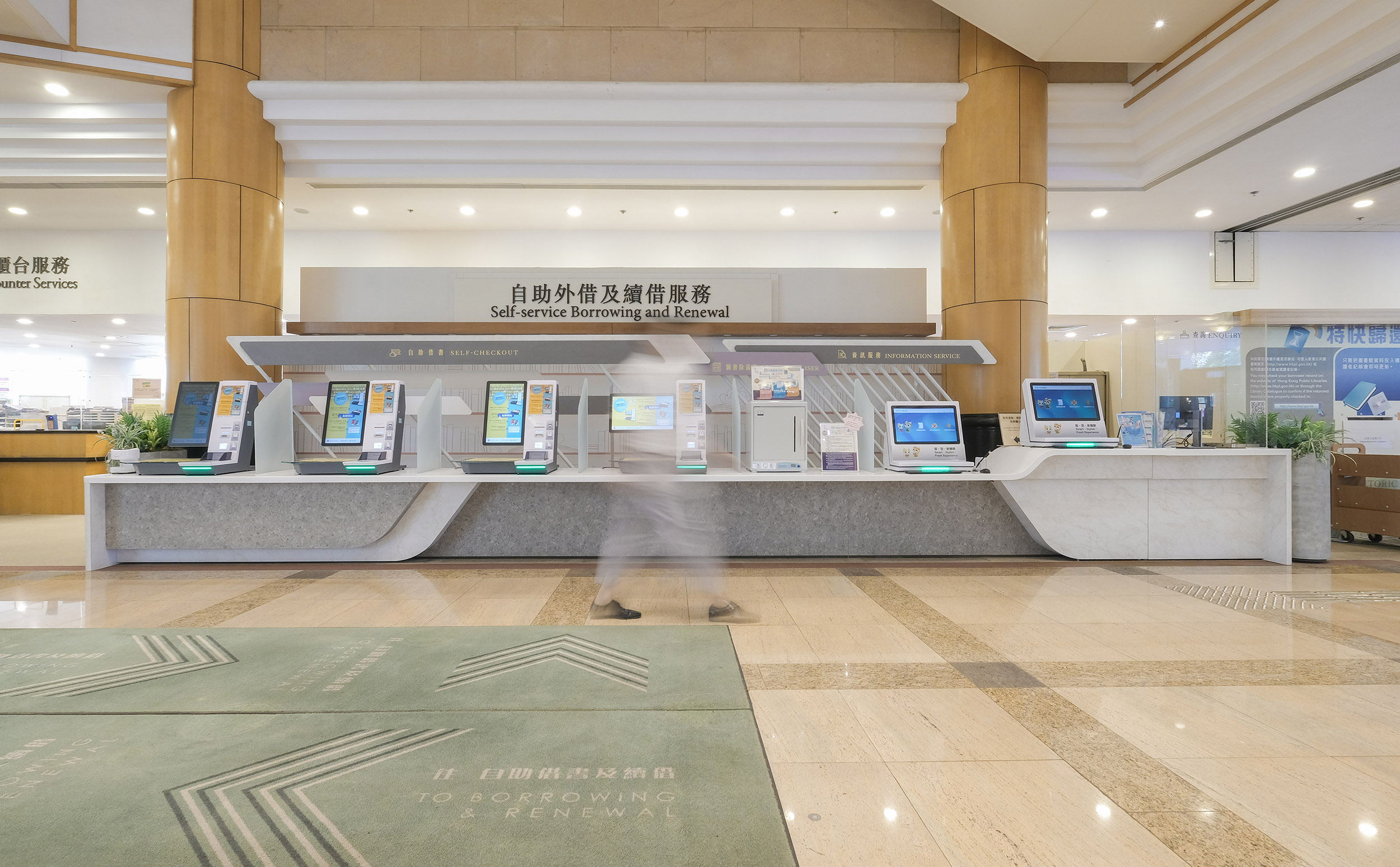
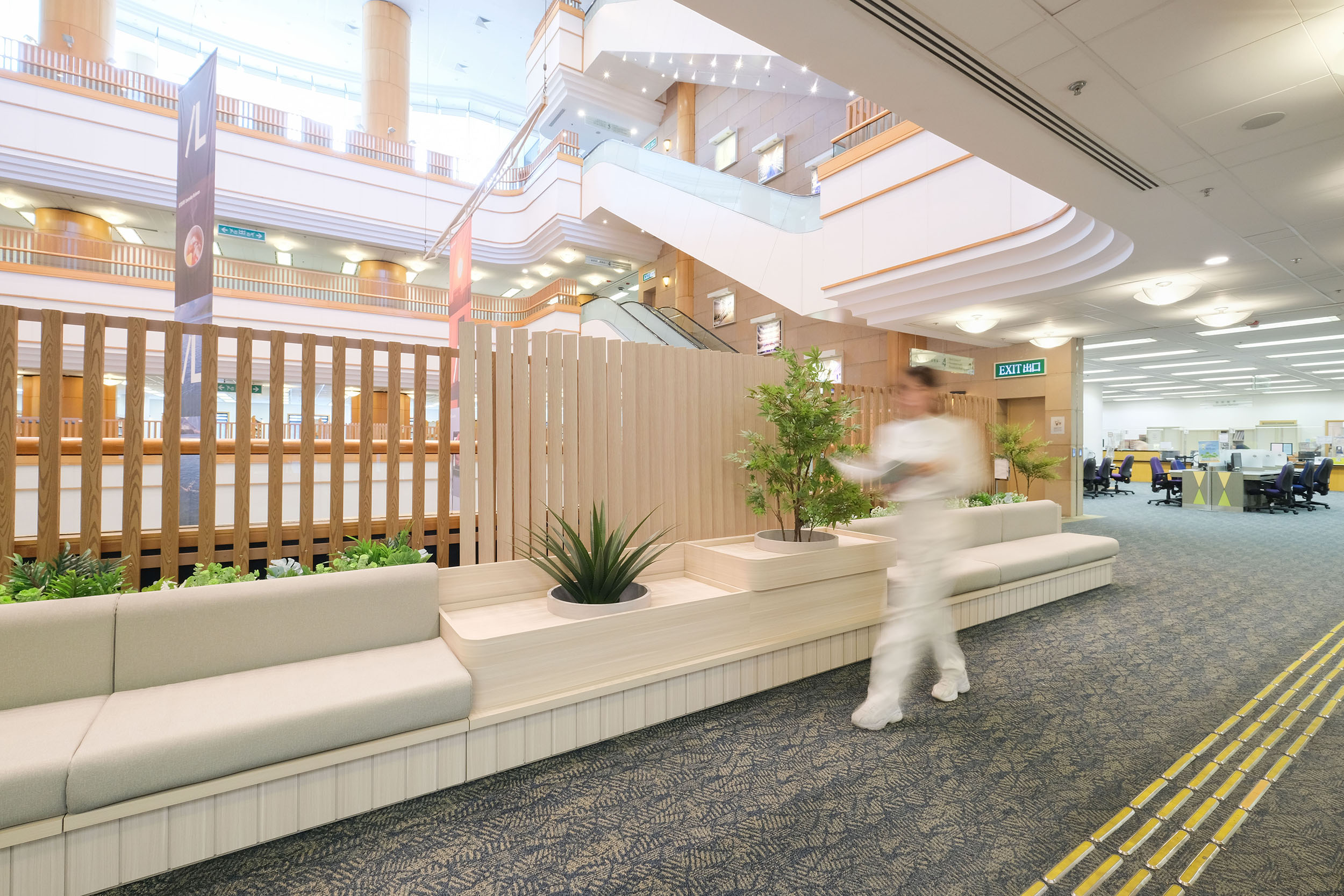
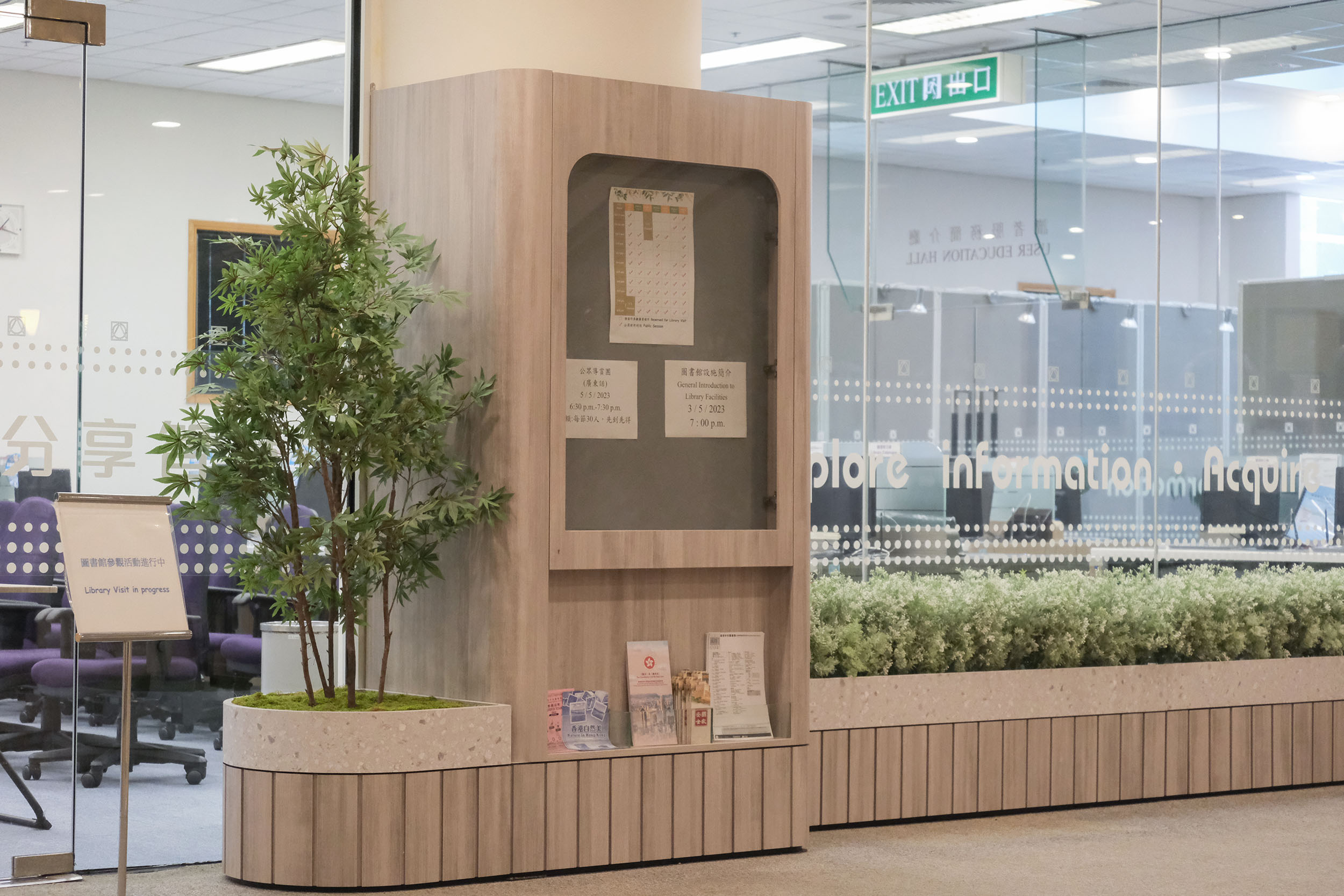
Image Credit :
Project Commissioner
Project Creator
Project Overview
This is a comprehensive interior design renovation project for public libraries in Hong Kong. The plan involves multiple public libraries across various districts of Hong Kong, aiming to create a better future for the community through the integration of innovation and local characteristics. Traditionally, libraries are often perceived as dull and impersonal; however, this project strives to change that perception by transforming libraries into vibrant and attractive social spaces that inspire citizens' interest in reading and enhance their sense of engagement.
Team
Design Director: Vincent Li Designer: Mancy Li
Project Brief
Libraries play a vital role in community development by providing knowledge, resources, and social spaces. This project emphasizes the importance of libraries in promoting community growth, helping citizens recognize that libraries are not just places to borrow books, but also community centers for learning and communicate. It aims to create enjoyable public spaces where everyone can benefit, thereby enhancing the quality of life.
Many libraries in Hong Kong have been built in a mass-produced manner, resulting in a lack of uniqueness and local identity. Such designs often prioritize functionality, with cold steel cabinets and aesthetically uninviting environments that prevent libraries from becoming symbols of community culture. This project focuses on integrating local characteristics and cultural elements, transforming each library into a cultural landmark that resonates emotionally with residents.
The project is not merely a design change but a cultural revitalization. By showcasing local history and cultural arts, the libraries will become platforms for cultural preservation and encourage innovative thinking. This approach allows citizens to both inherit their cultural heritage and explore future possibilities.
Project Innovation/Need
Currently, library users are mainly elderly. This project aims to attract a wider age range through thoughtful design, creating spaces that meet the needs of all ages and enhance family and community interaction. By transforming libraries into vibrant community hubs, social connections will be strengthened through events like book sharing sessions and cultural lectures, promoting social cohesion.
The new design will introduce self-service borrowing machines and other automated facilities to improve user experience, making borrowing and returning books simple and efficient. This enhances daily convenience and boosts library operational efficiency. By combining aesthetics with functionality, the project seeks to inspire younger generations to love reading and space, promoting cultural heritage and development.
Each library’s unique district characteristics are carefully integrated to boost residents’ sense of identity and participation. For example, the Ngau Chi Wan Children’s Library draws inspiration from the nearby Choi Hung Estate. The San Po Kong Library incorporates the history of San Po Kong’s Eight Streets, showcasing foamboard displays alongside books and hosting themed exhibitions. The Yiu Tung Library’s design reflects the mountainous landscape of Shau Kei Wan.
These designs highlight the cultural richness of each community and strengthen residents’ belonging. The goal is for libraries to become cultural landmarks where people can enjoy reading while experiencing the unique charm of their neighborhoods.
Design Challenge
Given the large volume of collections in each library, it is essential to retain the existing books to meet readers’ needs. Therefore, the design must find innovative ways to integrate leisure spaces, decorative elements, and book display areas. Designers need to skillfully arrange the limited space to facilitate easy access and usability for readers.
The design process must also consider regulatory constraints, including the requirement to preserve existing fire safety systems, electrical installations, flooring, and ceilings. These restrictions limit the flexibility of the design.
Additionally, since the library serves a diverse audience across various age groups and backgrounds, the design must address the needs of different user groups. Furthermore, when carrying out partial renovations, the existing design style must be taken into account to maintain the overall consistency of the library’s aesthetic.
Future Impact
Through flexible furniture design, libraries will be able to host a variety of activities such as lectures, exhibitions, and community gatherings. This not only promotes communication and interaction among different groups but also establishes libraries as centers of social cohesion. The introduction of modern facilities, such as self-service borrowing machines, will enhance user convenience, attract more young readers, and enable libraries to better adapt to the demands of the modern information society. Design should not be a privilege reserved for the affluent but a right accessible to all. The goal is for everyone to enjoy beautiful public spaces that improve quality of life.
In terms of cultural preservation and innovation, libraries are not only repositories of knowledge but also custodians of culture. By showcasing local history and artworks, libraries will become important platforms for community cultural exchange, encouraging citizens to explore and innovate. Ultimately, these transformations will make Hong Kong’s public libraries more than just places to borrow books—they will become vibrant community cultural centers that enhance cultural literacy, support community development, and create a better future for all citizens.
NEXT Futures - Equity & Inclusion
Projects that expand and grow the inclusion, integration, diversity and community.
More Details