

Key Dates
26 Dec -Judging
07 Jan 2026 -Winners Announced
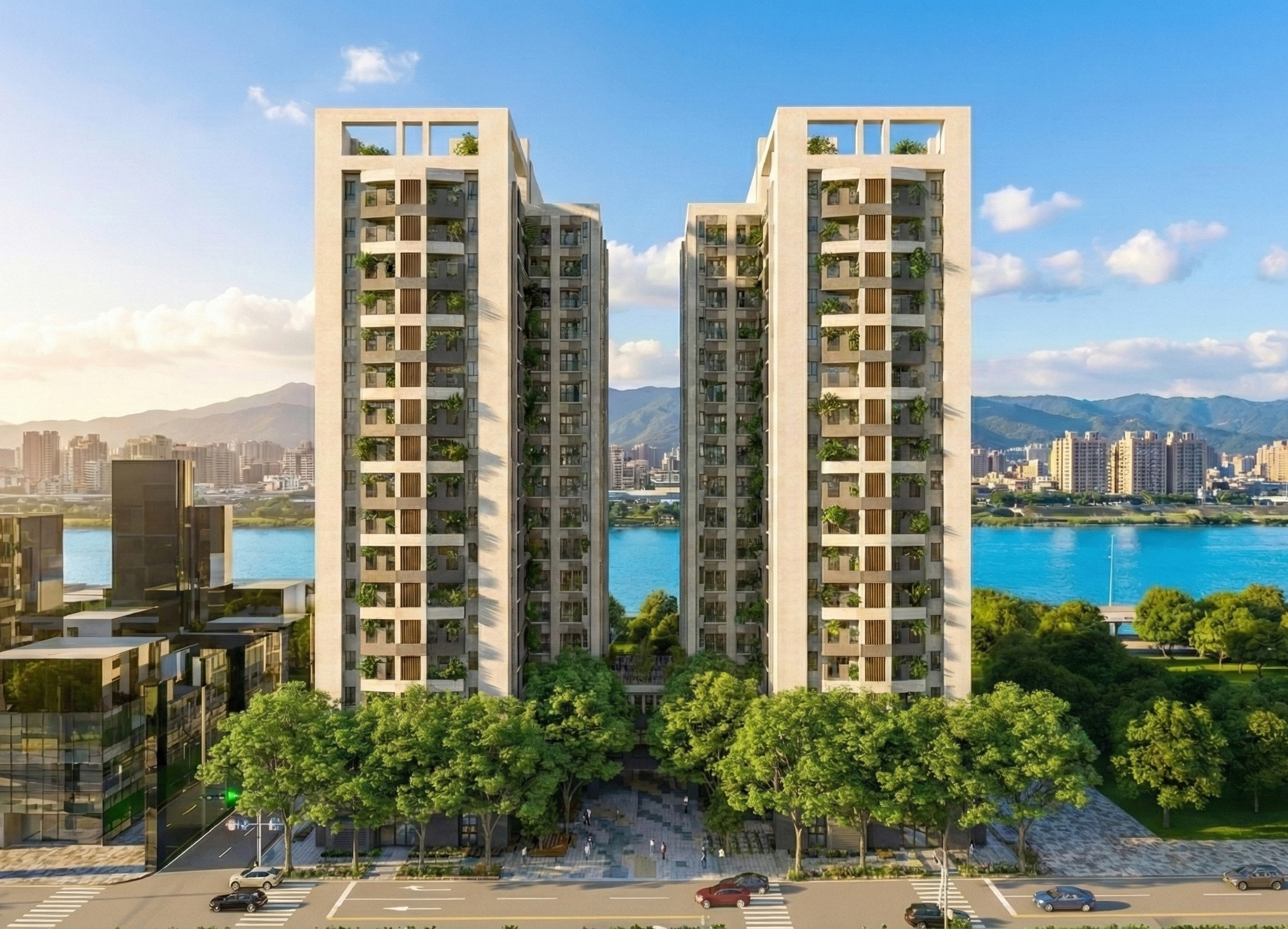
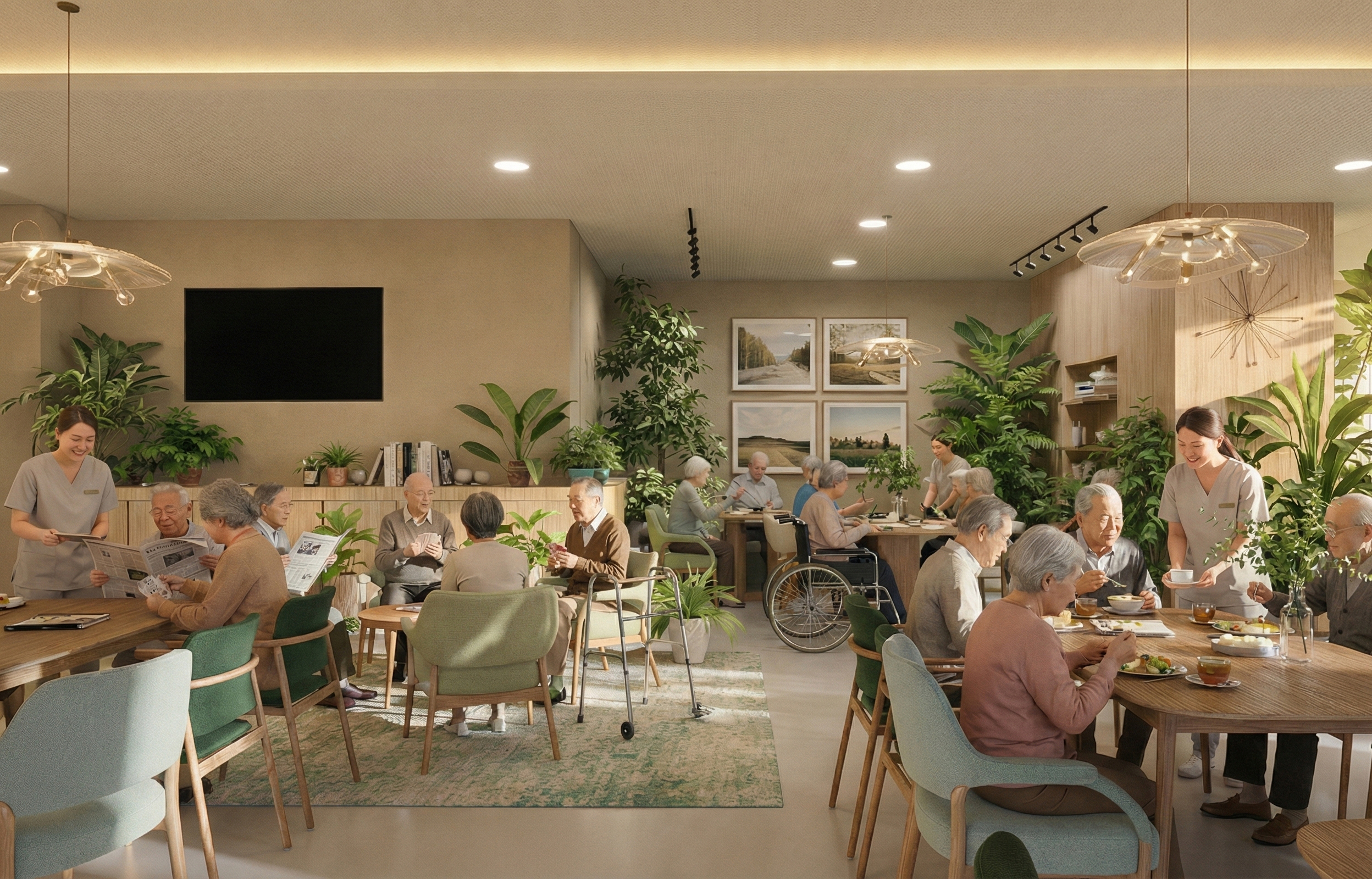
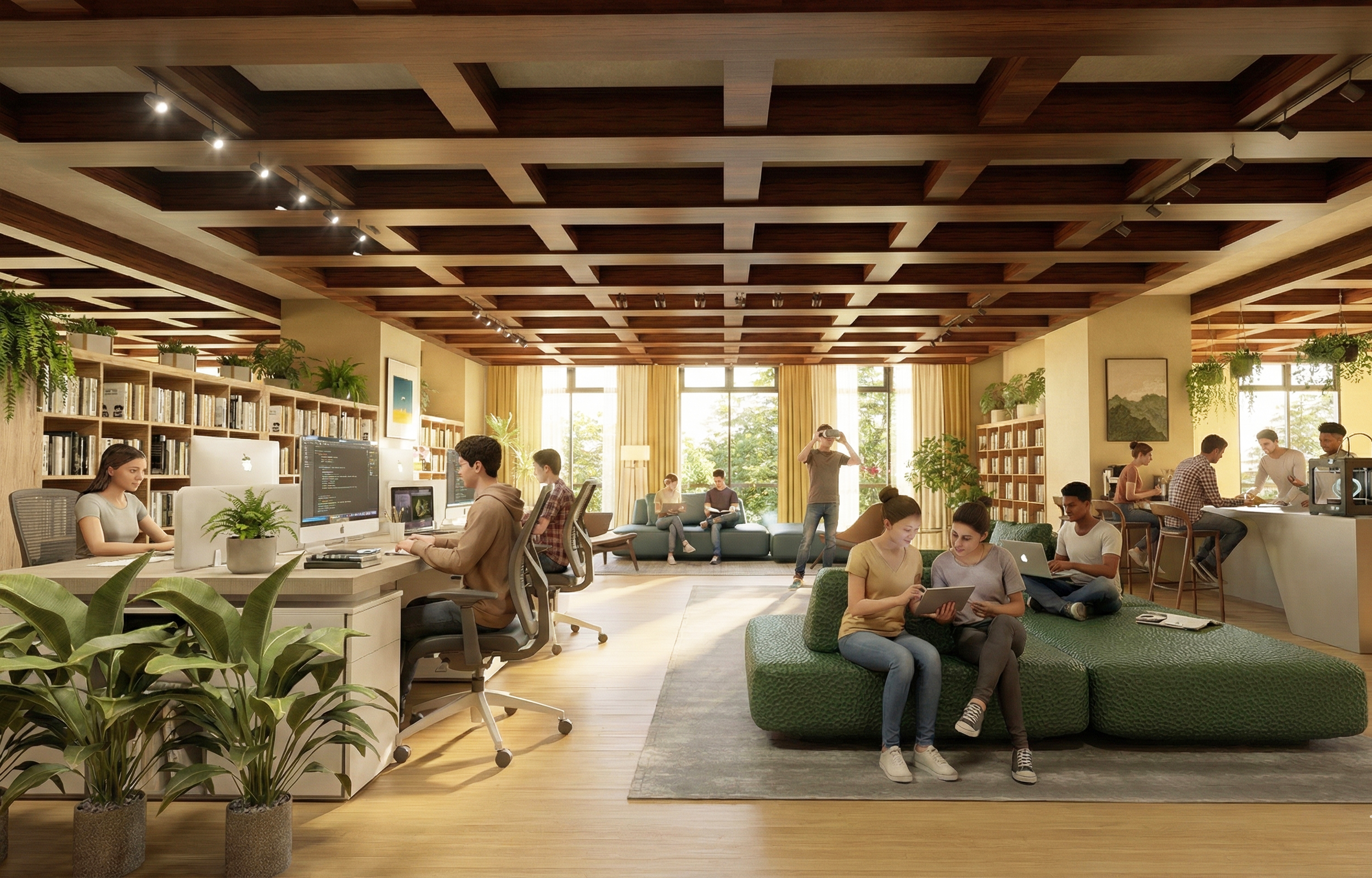
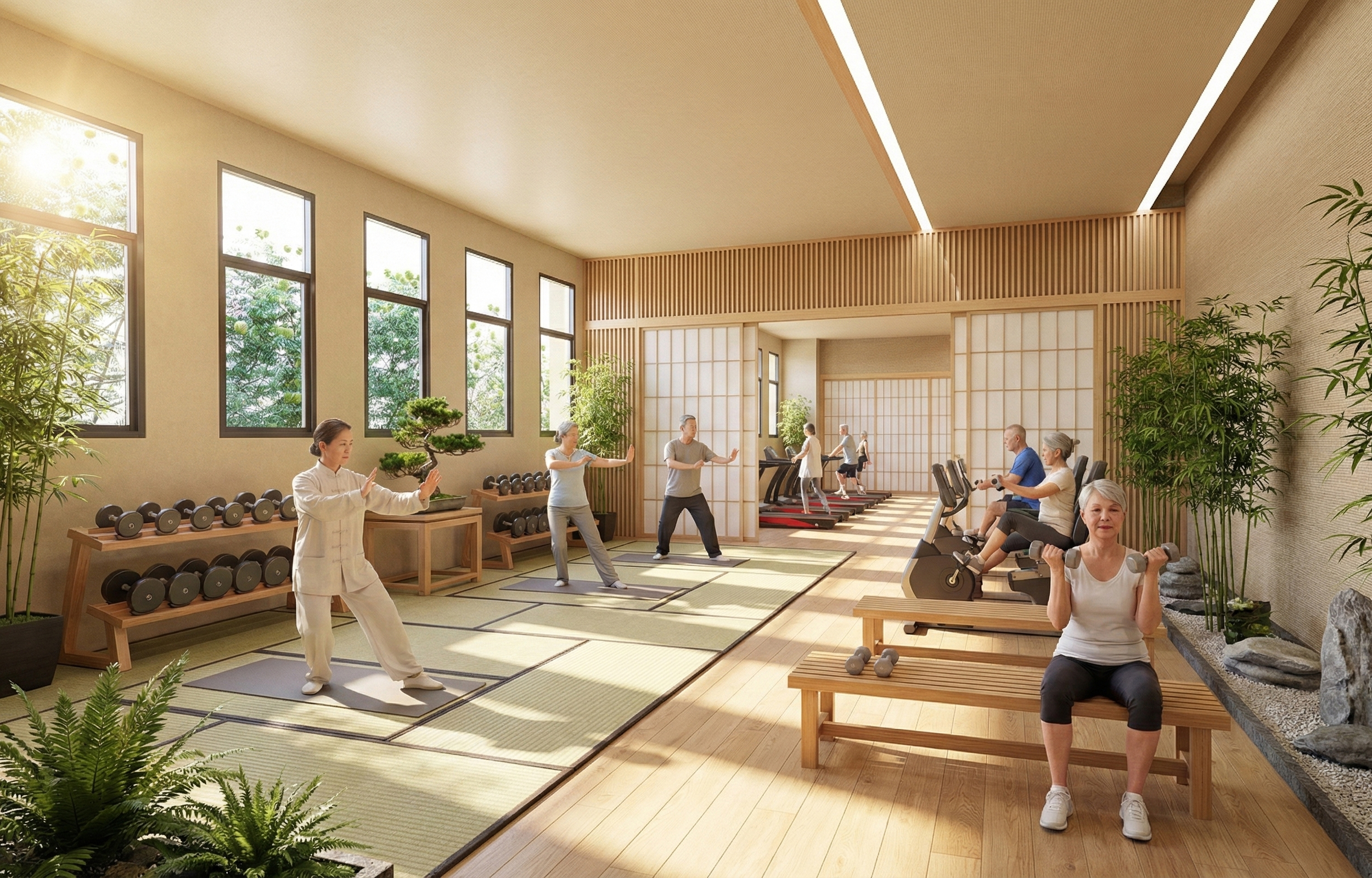
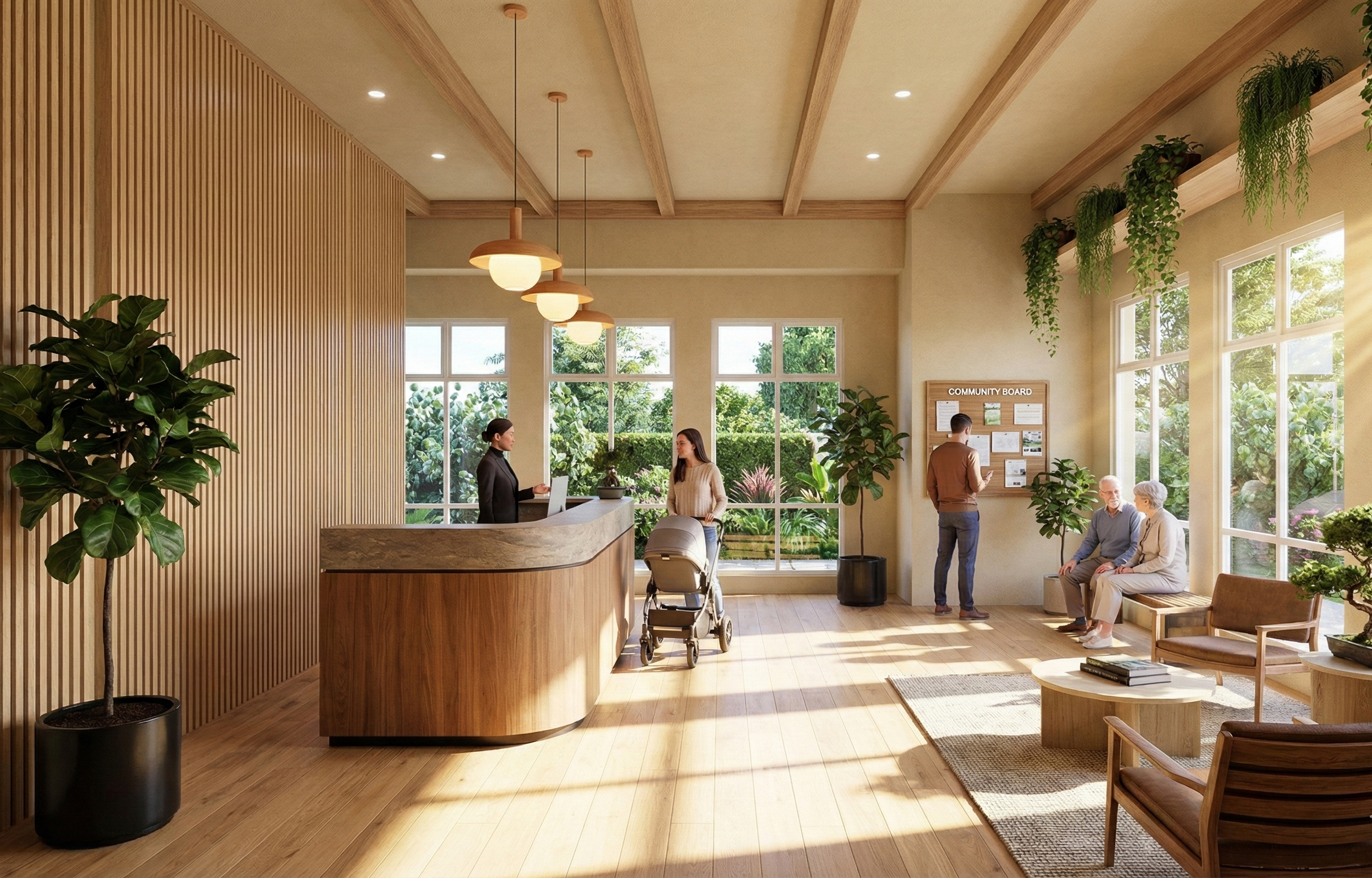
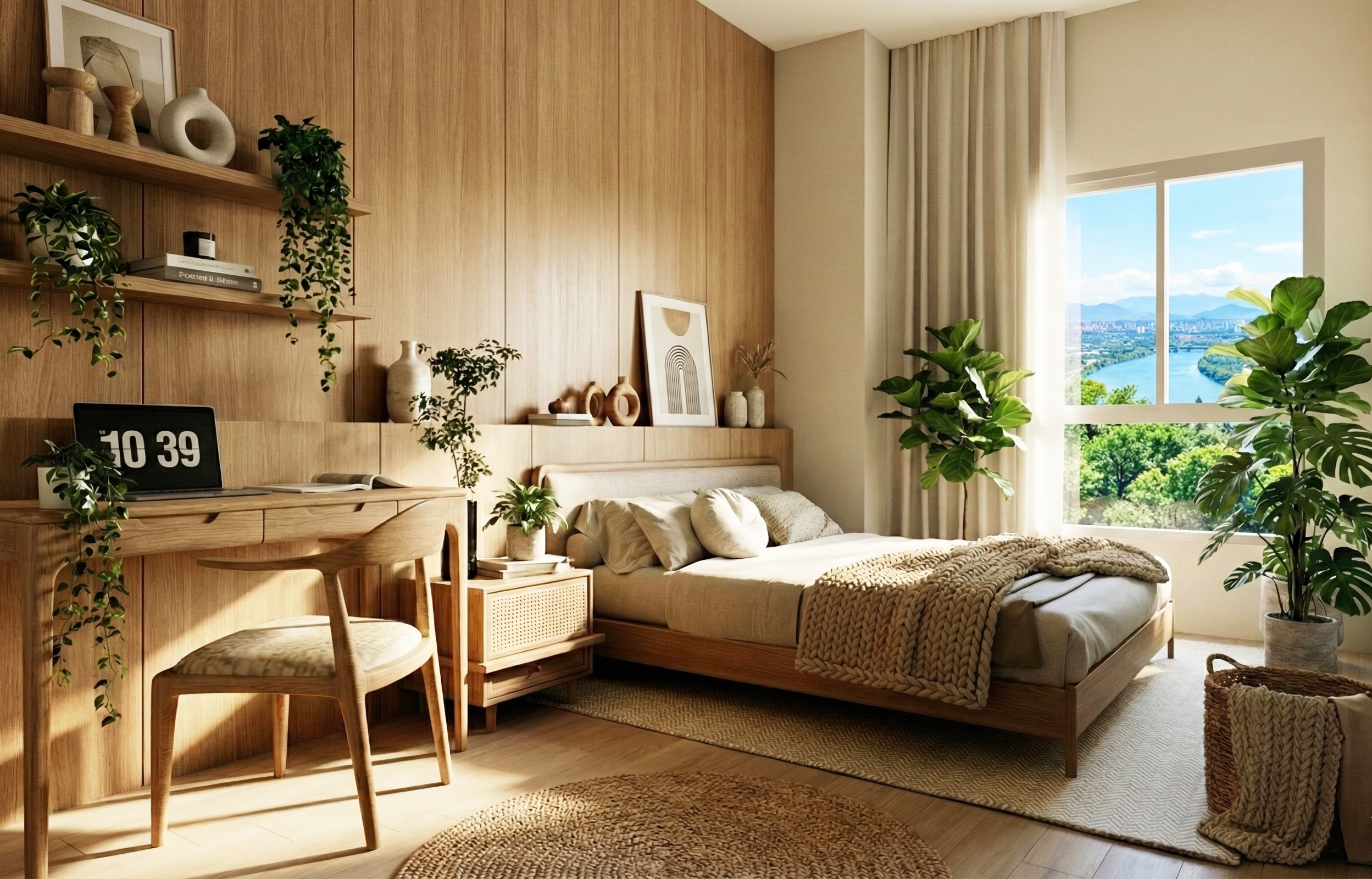
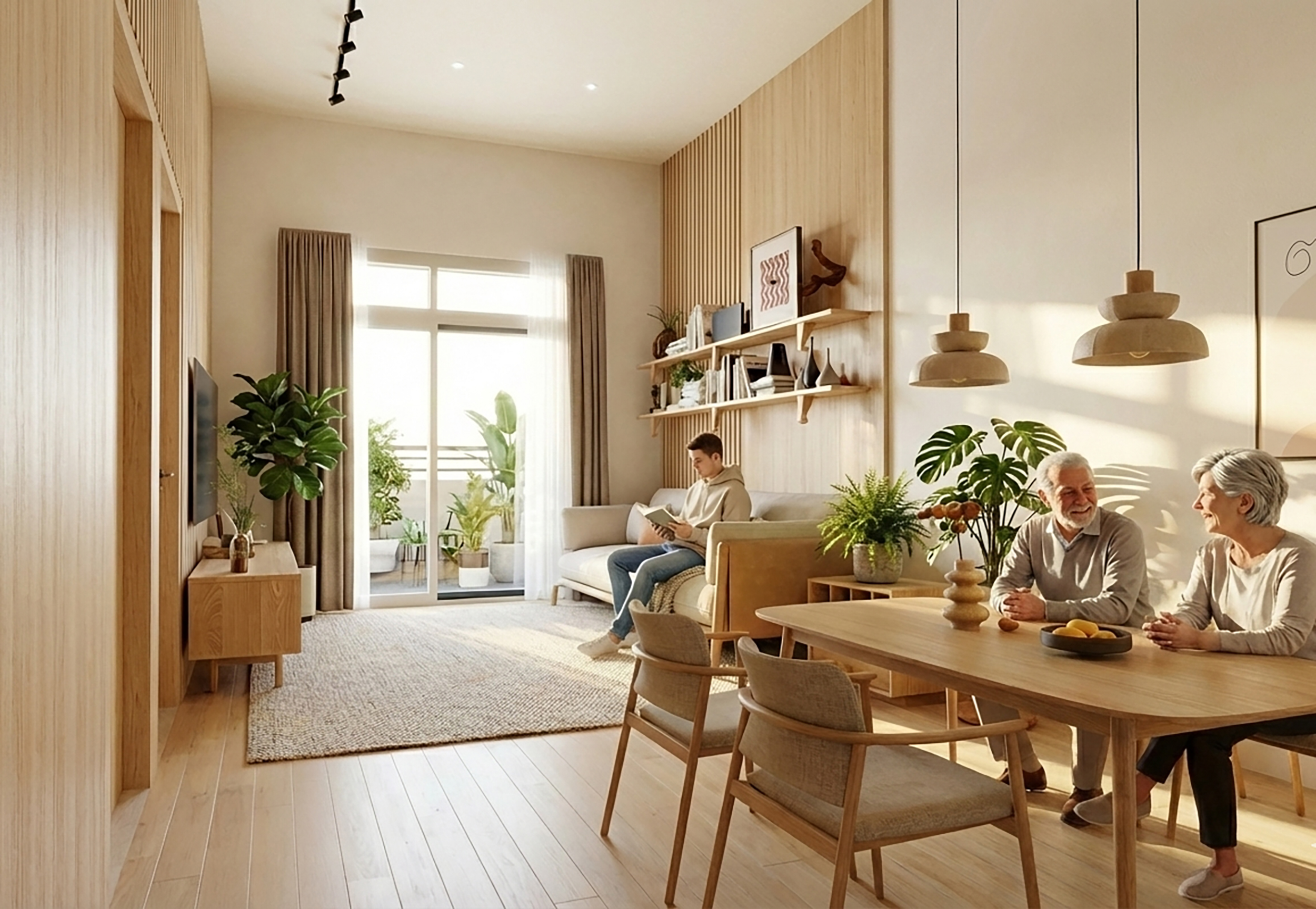
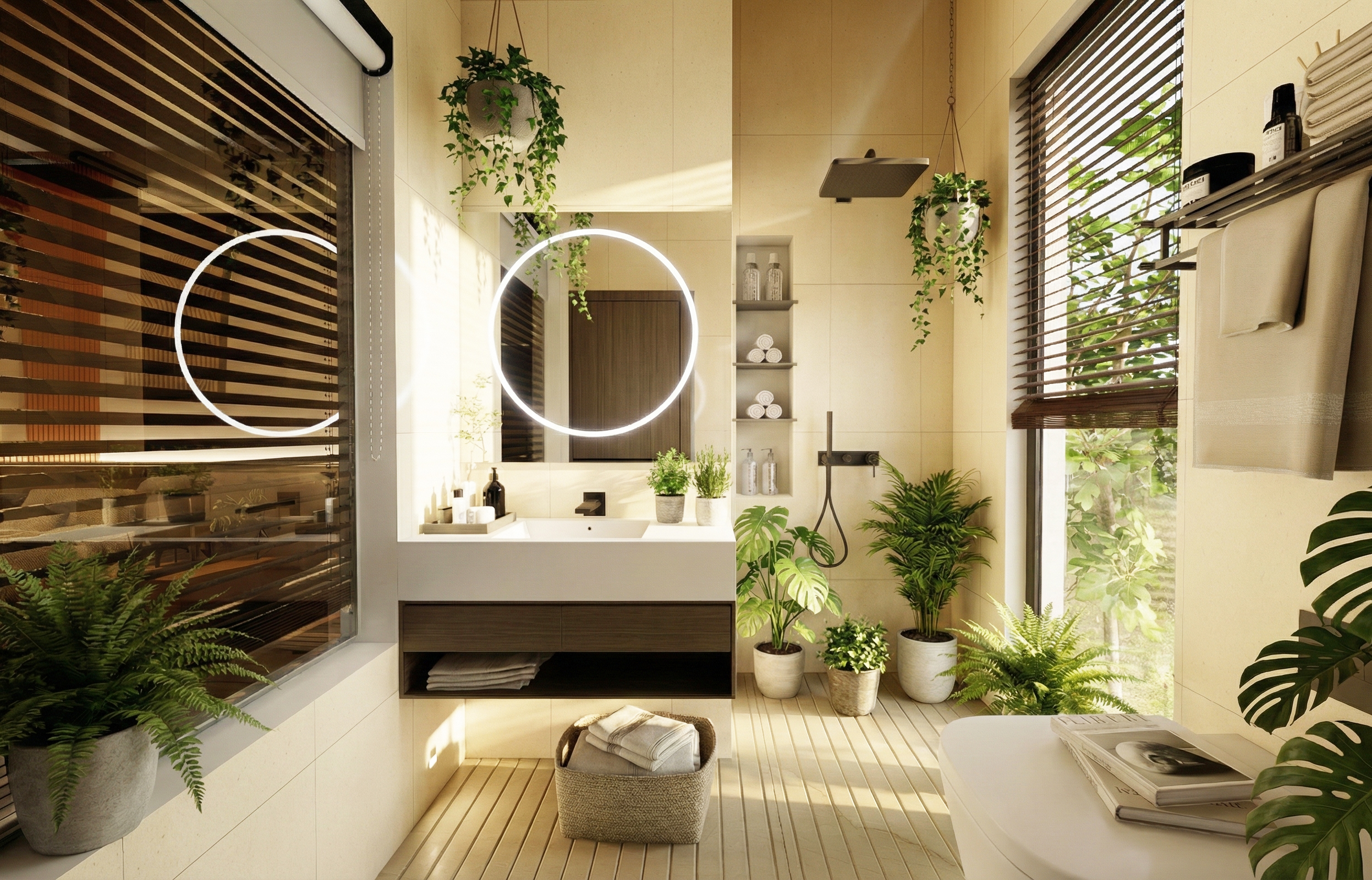
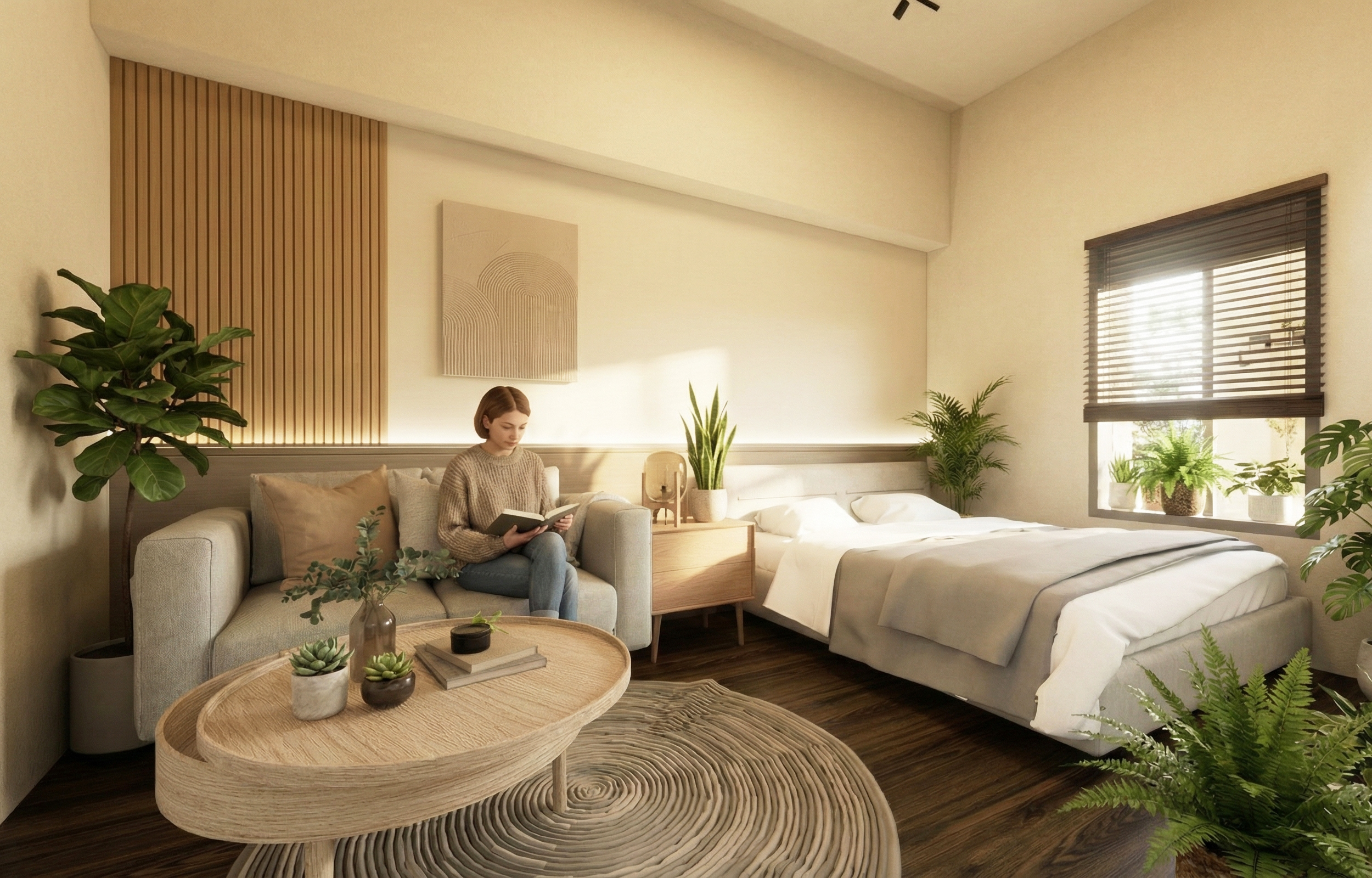
Image Credit :
Project Commissioner
National Housing and Urban Regeneration Center
Project Creator
Project Overview
Qixian Residence emerges as a paradigm-shifting mixed-use typology within the urban core of Kaohsiung City, Taiwan. Strategically situated on a 0.6-hectare site at the confluence of the Love and Happiness Rivers, this development establishes a new benchmark for metropolitan habitation, synthesizing sustainability, social inclusivity, and spatial comfort. Distinguished by its rigorous adherence to Green, Smart, and Seismic-Resistant building standards, the project has been honored with the Gold Award for Planning and Design at the 2024 Taiwan National Outstanding Construction Awards. This landmark project is currently under development, with inauguration anticipated in 2028.
The architectural massing adopts a north-south orientation, featuring two towers bridged by a fourth-level sky garden. A porous ground-level lobby fosters seamless transitions between landscaped plazas, creating an inviting public realm that channels natural ventilation. Programmatically, the podium serves as a community nexus, housing retail and 6,600 sqm of social welfare infrastructure—including intergenerational care and co-working spaces. Above, 606 residential units are engineered for post-pandemic resilience, incorporating vertical greenery, passive solar design, and independent exhaust systems. Segregated circulation cores ensure privacy, synthesizing a holistic, inclusive ecosystem for all demographic strata.
Team
I-CHUN TSAI, DA-LONG KONG, ZONG-YOU LI, LIANG-YU LU, LI LAI, JIE-LIN CHEN, CHUN-YI WU
Project Brief
Qixian Residence’s design is a deliberate response to the imperative of fostering genuine social cohesion within an urban context. The architectural massing adopts a north-south orientation, manifesting as two distinct towers strategically bridged by an elevated sky garden plaza on the fourth level. This configuration optimizes passive environmental performance and anchors the development’s social infrastructure. At the ground plane, a porous lobby situated between the towers facilitates a critical spatial and visual connection between the anterior and posterior landscaped plazas. The integration of circulation paths, shaded pockets, and verdant arboriculture cultivates an inviting public realm, synthesizing leisure and active zones while channeling cooling natural ventilation from the adjacent Love River.
This organizational clarity provides the foundational structure for the programmatic stratification. The subterranean levels (B1–B3) provide comprehensive vehicular accommodation and waste management facilities. The podium levels (Ground–3F) function as a dynamic community nexus, housing retail interfaces and 6,600 sqm of social welfare infrastructure. This hub integrates commercial shops, co-working incubators, intergenerational fitness, childcare, senior care services, and community assembly spaces, responding holistically to the precinct’s demographic diversity.
The residential towers (4F–18F) accommodate 606 units across three configurations: efficient studio, two-bedroom family, and three-bedroom large-format layouts. This diverse typology is engineered for post-pandemic resilience, with each unit featuring biophilic integration, passive design strategies (daylighting, ventilation, solar shading), and independent exhaust systems. Furthermore, segregated circulation cores ensure rigorous privacy. Collectively, these spatial interventions foster an inclusive ecosystem that supports social cohesion across all demographic strata.
Project Innovation/Need
Our design introduces novel outcomes through strategies of urban porosity, public generosity, and sanitary resilience:
1. Urban Porosity & Visual Justice: Prioritizing neighborhood harmony over maximum floor area, we introduced a strategic "central void" in the building massing (4F–18F). This design gesture preserves critical view corridors for neighboring buildings, allowing unobstructed sightlines towards the Love River and Shoushan Mountain. Furthermore, the transparent ground-floor lobby creates a permeable axis, inviting the public to traverse from the front plaza to the rear courtyard, effectively sharing the site's amenities with the city.
2. Generous Public Interface: Redefining the boundary between private development and public realm, the project incorporates deep setbacks of 6 to 10 meters along the perimeter. This space is transformed into a lush circular green loop, featuring double-layered tree planting and seating areas. This intervention creates a comfortable pedestrian micro-climate and offers a high-quality recreational space for the entire community.
3. Post-Pandemic Sanitary Resilience: Responding to new health imperatives, the unit layouts prioritize hygiene and ventilation. Bathrooms are strategically positioned at the building perimeter (adjacent to balconies) to ensure direct access to natural light and air. Crucially, the implementation of "same-floor exhaust" and "same-floor drainage" systems prevents the vertical transmission of pathogens through ductwork, establishing a new benchmark for healthy high-density living.
Design Challenge
The design challenges were multifaceted, spanning stakeholder integration, regulatory rigor, and geotechnical complexity:
1. Complex Stakeholder Integration & Consensus Building: The podium levels (1F–3F) serve a broad demographic spectrum, from infants to the elderly, requiring management by distinct government bodies (including the Sports, Social, and Youth Bureaus). A primary challenge was coordinating these fragmented administrative interfaces. The design process necessitated an iterative dialogue to synthesize the diverse requirements of various agencies and user groups into a unified, holistic architectural solution.
2. Stringent Regulatory Compliance for High-Rise Typology: As a high-rise development, the project adhered to safety codes far stricter than standard regulations. Specifically, the fire safety strategy required navigating rigorous review committees. Every architectural facet underwent microscopic scrutiny by experts to ensure absolute compliance and safety standards were met.
3. Geotechnical Adaptation: Situated adjacent to the Love River, the site presents significant geological challenges, including a high water table and soft soil composition. The structural engineering required bespoke solutions to mitigate ground instability, ensuring foundation resilience and seismic safety under these specific hydrological conditions.
Sustainability
The project demonstrates a rigorous commitment to resource circularity and energy autonomy. Active systems include roof-mounted photovoltaic arrays for renewable energy generation and rainwater harvesting facilities for water recycling. To minimize HVAC loads and enhance thermal comfort, the design employs passive strategies: a light-hued thermal envelope reduces solar heat gain, while deep shading devices and optimized building orientation facilitate cooling natural ventilation.
Daylight autonomy is maximized through strategic fenestration. A notable feature in studio units is the use of internal glazing (borrowed light) between bathrooms and living areas, ensuring natural light penetration deep into the interior. Finally, the project manifests as a "vertical forest," with landscaped balconies on every floor. Coupled with extensive vegetation on the ground level, podium deck, and rooftop, this biophilic approach fosters biodiversity and actively mitigates the Urban Heat Island (UHI) effect.
Interior Design - International Residential - Multi
This award celebrates innovative and creative building interiors with consideration given to space creation and planning, furnishings, finishes and aesthetic presentation. Consideration also given to space allocation, traffic flow, building services, lighting, fixtures, flooring, colours, furnishings and surface finishes.
More Details