

Key Dates
11 Dec -Extended Deadline
14 Dec -Judging
17 Dec -Winners Announced
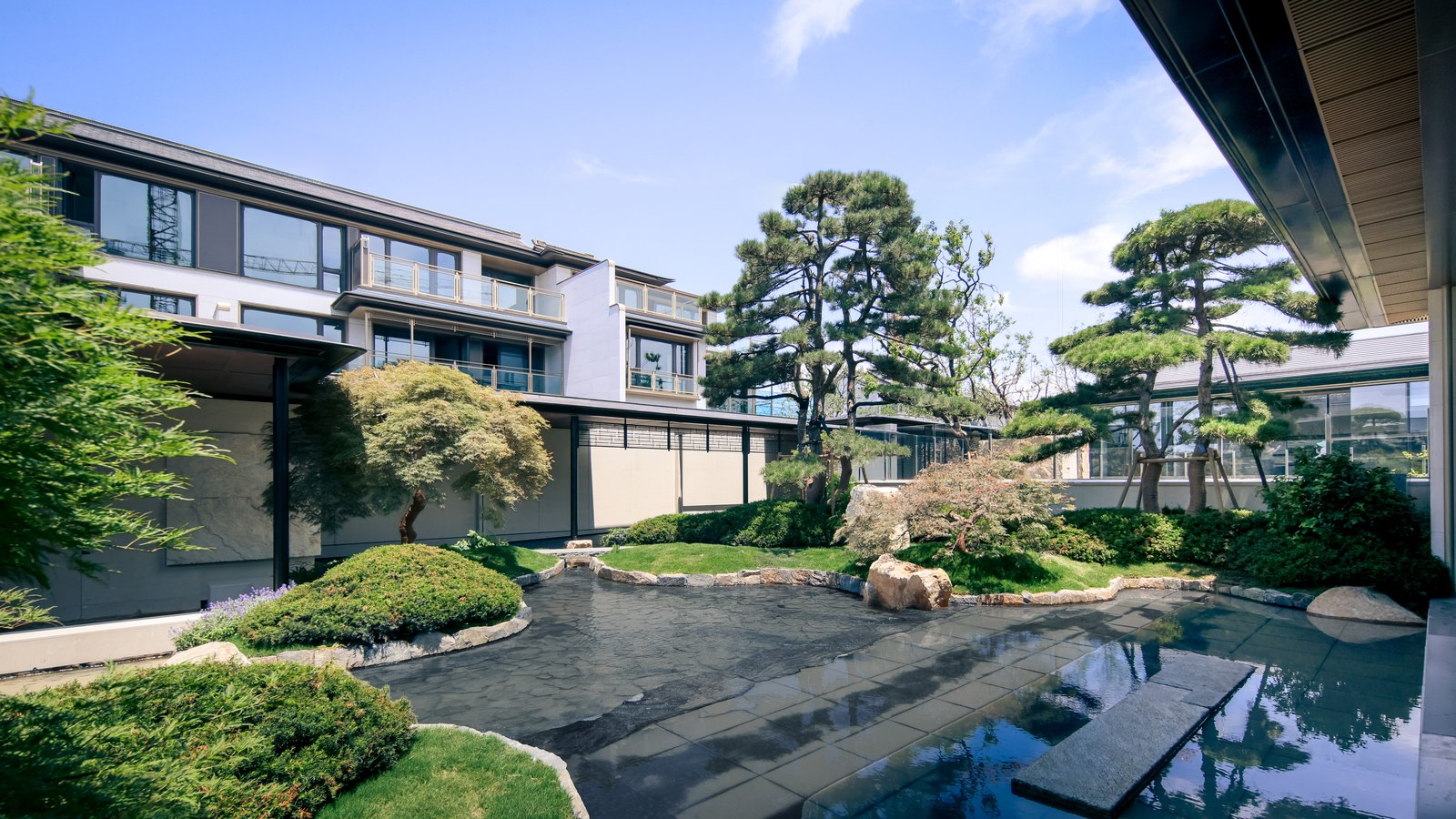
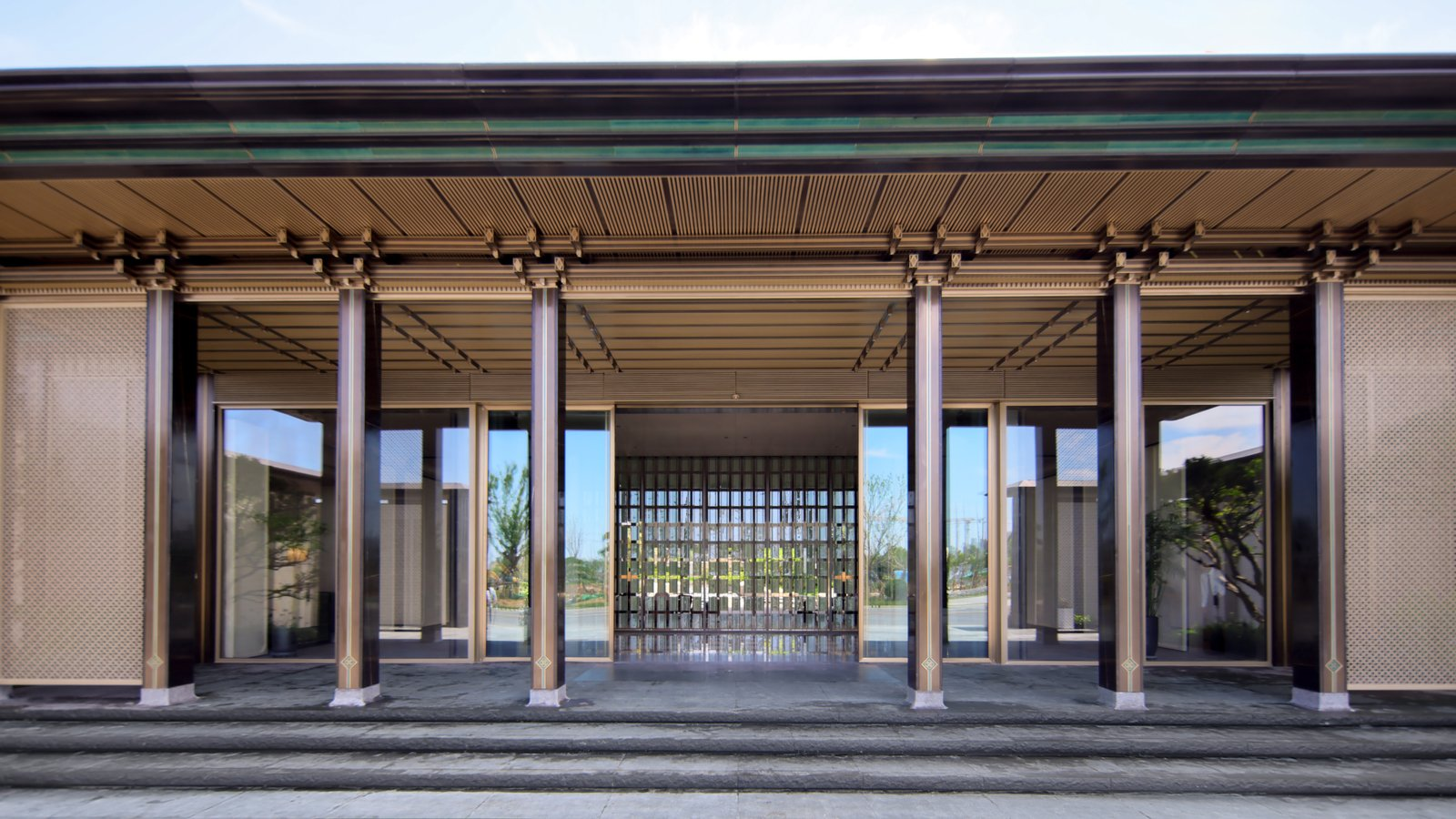
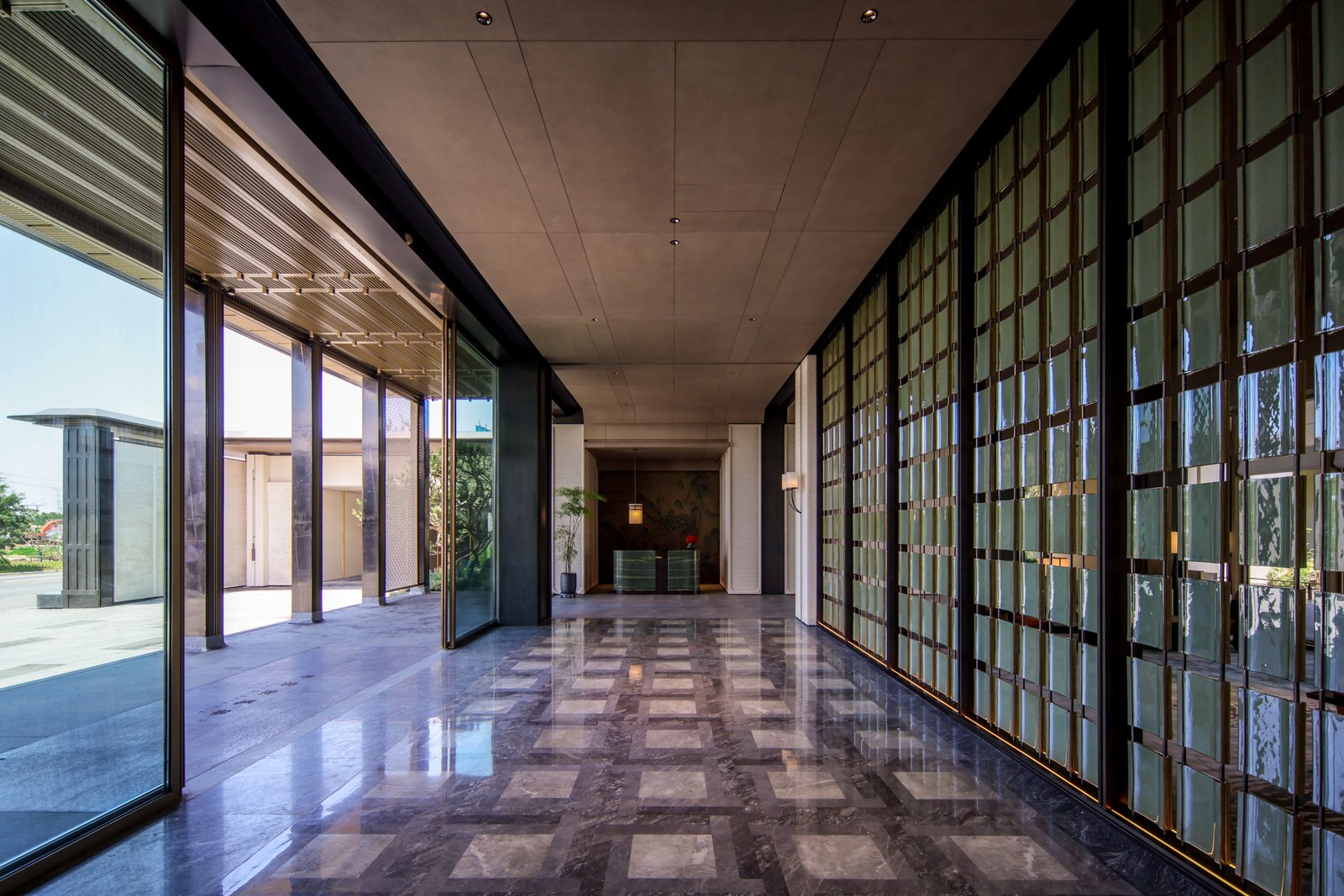
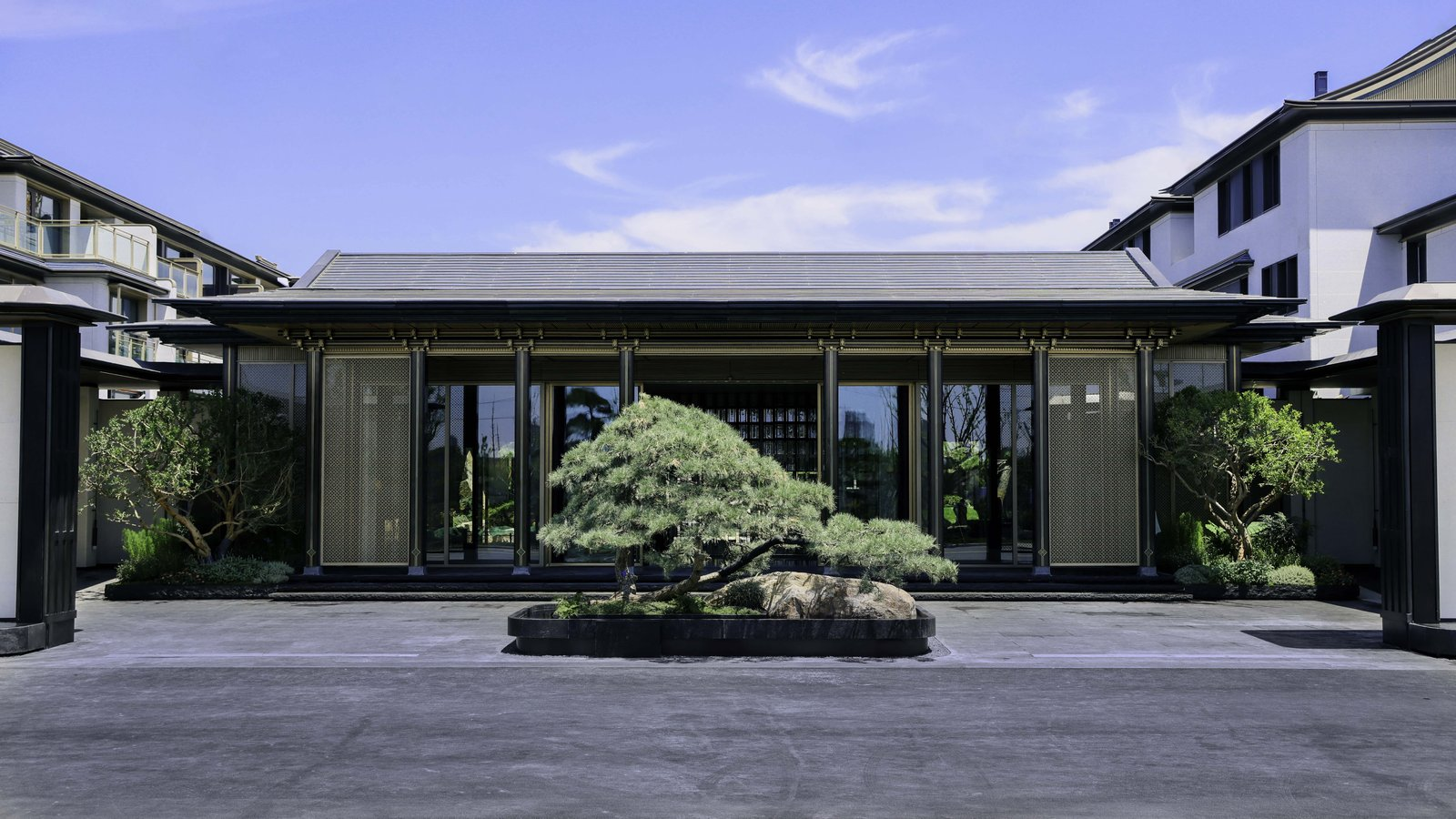
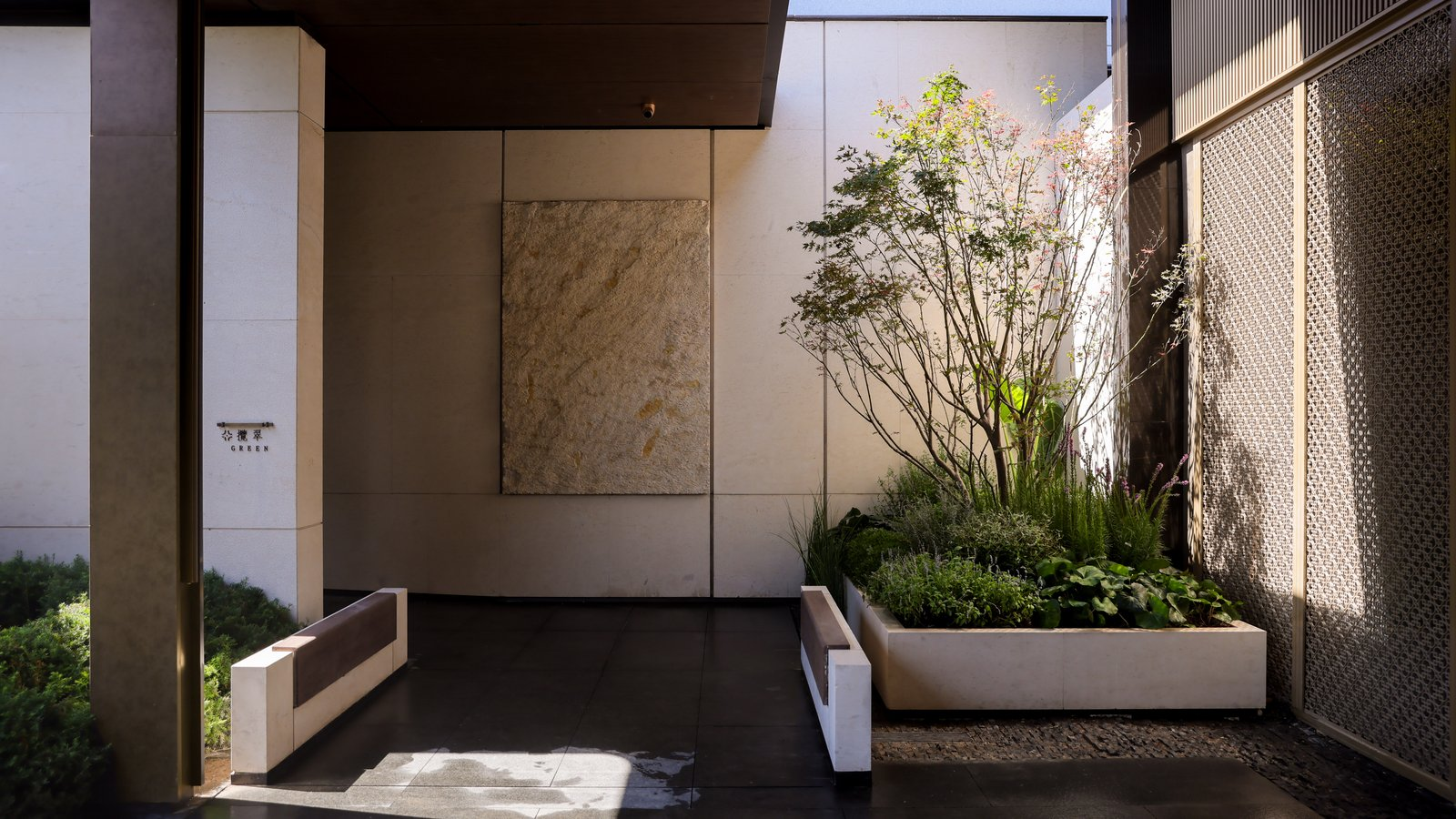
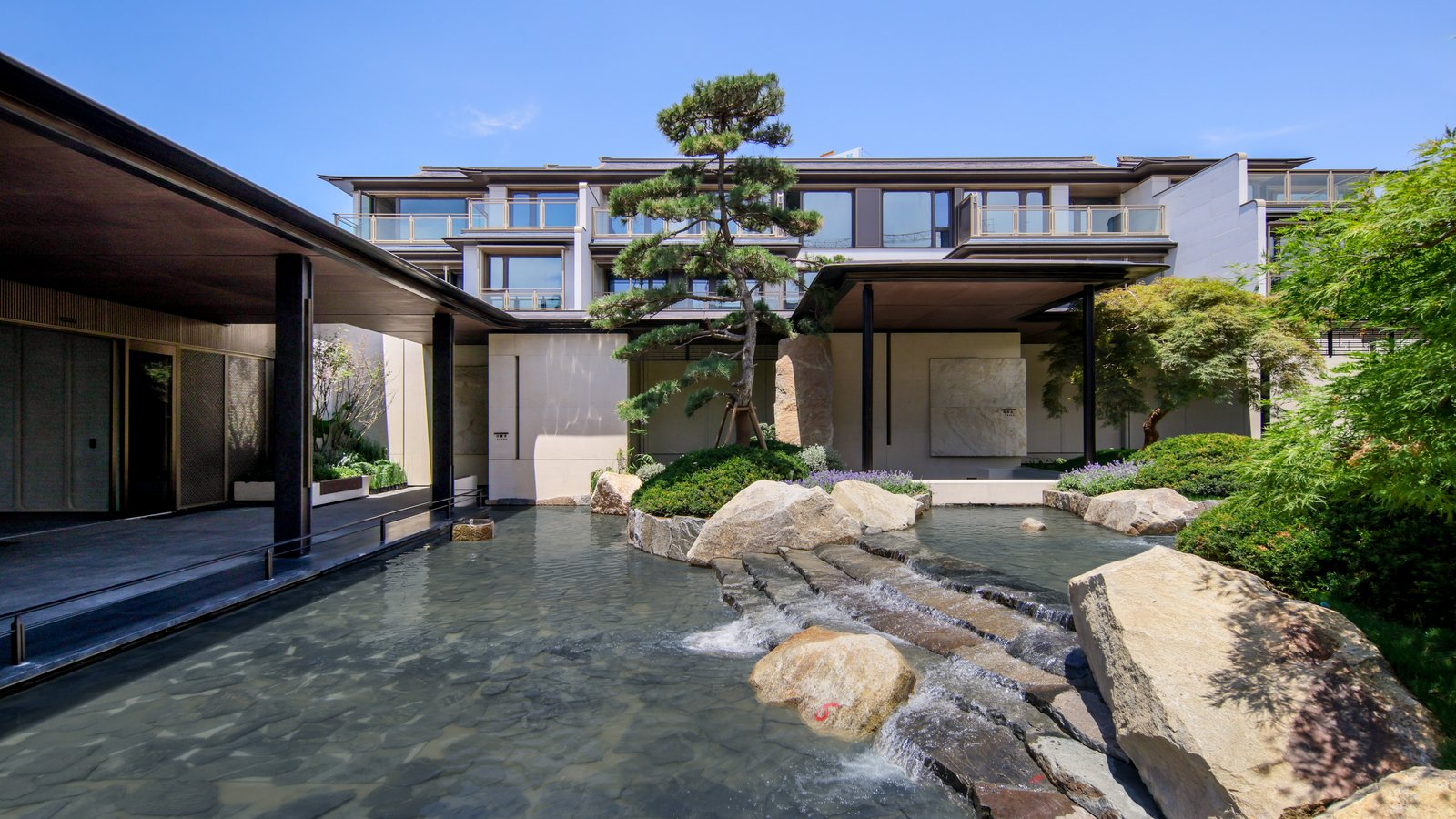
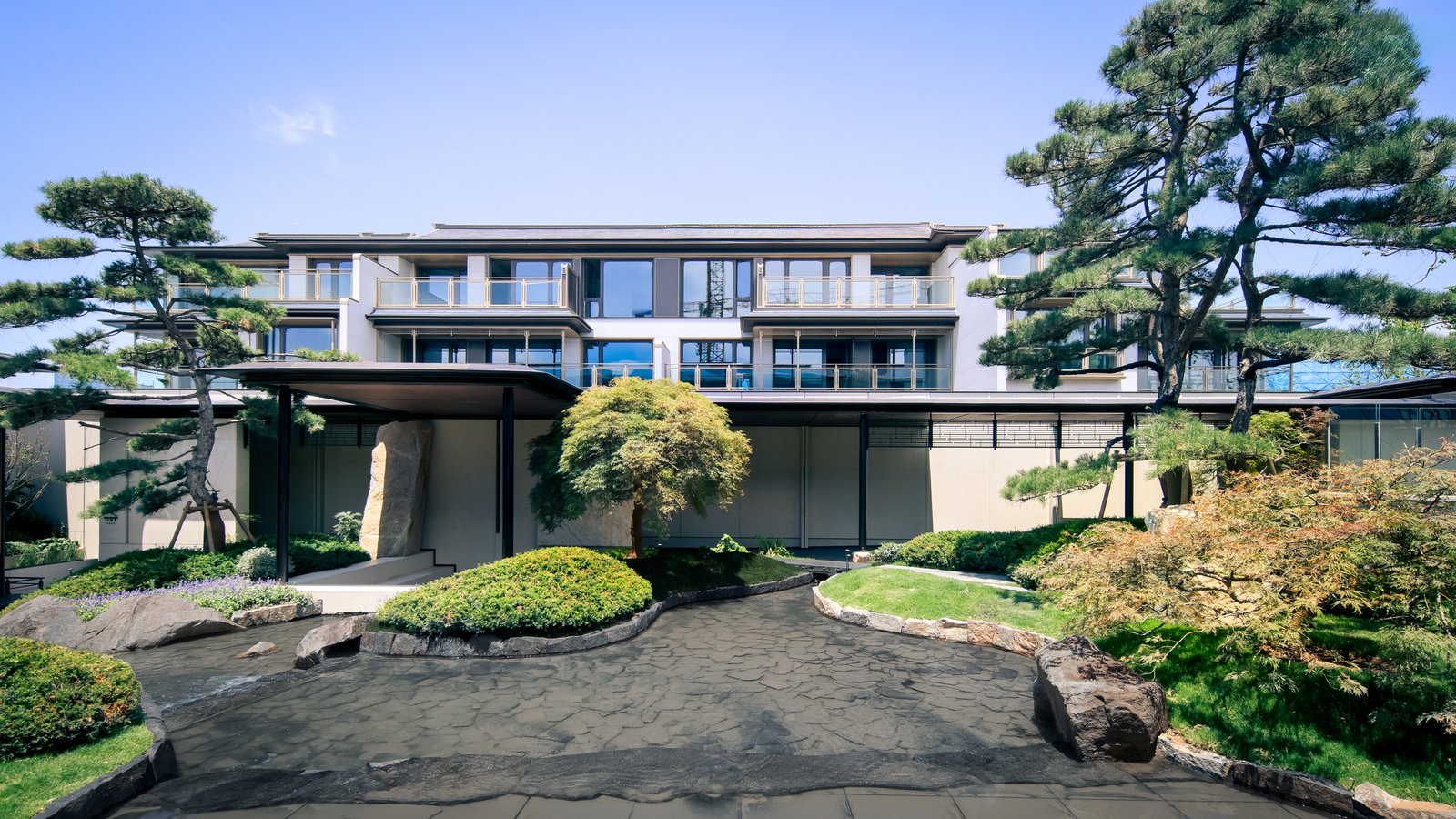
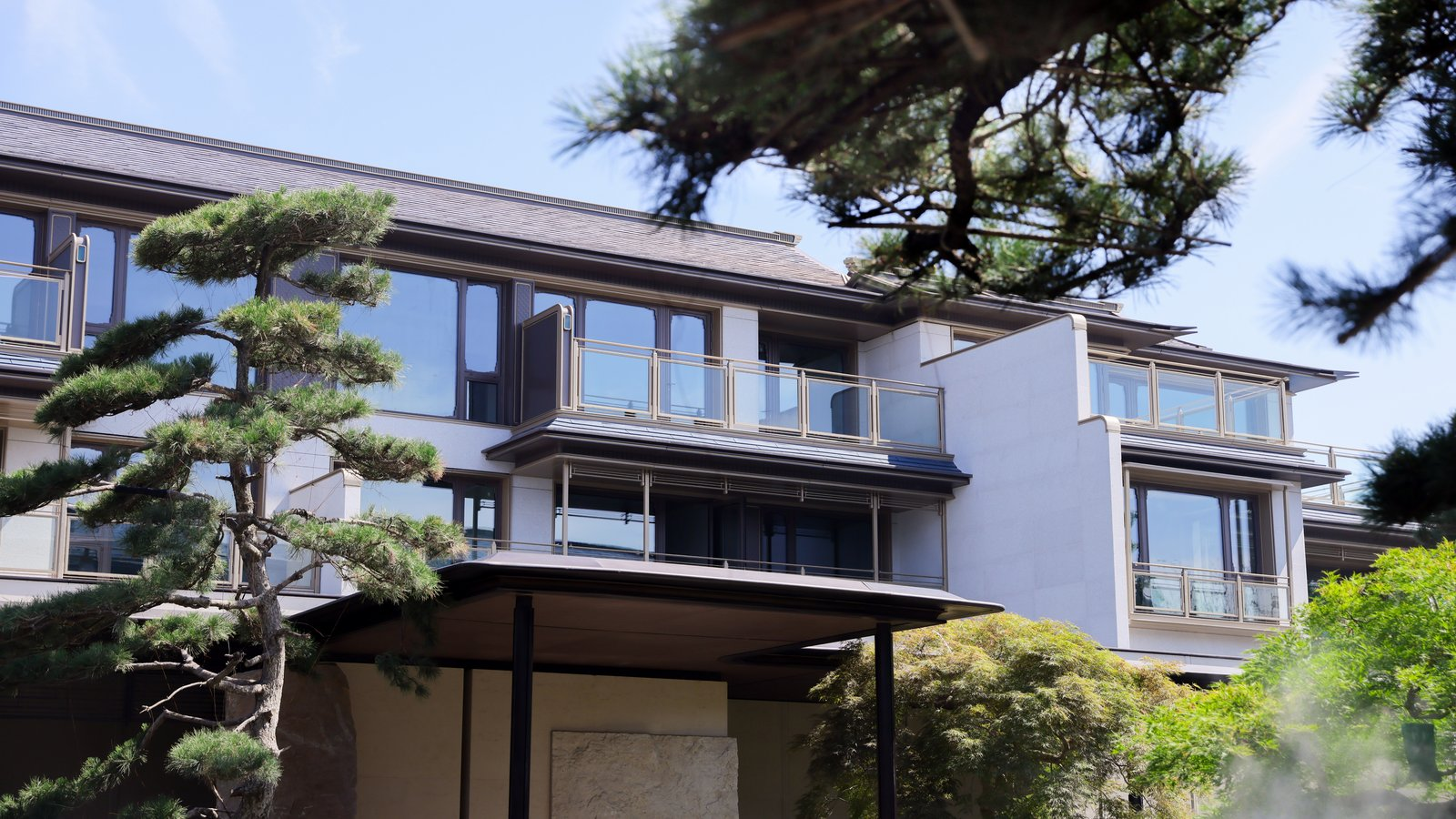
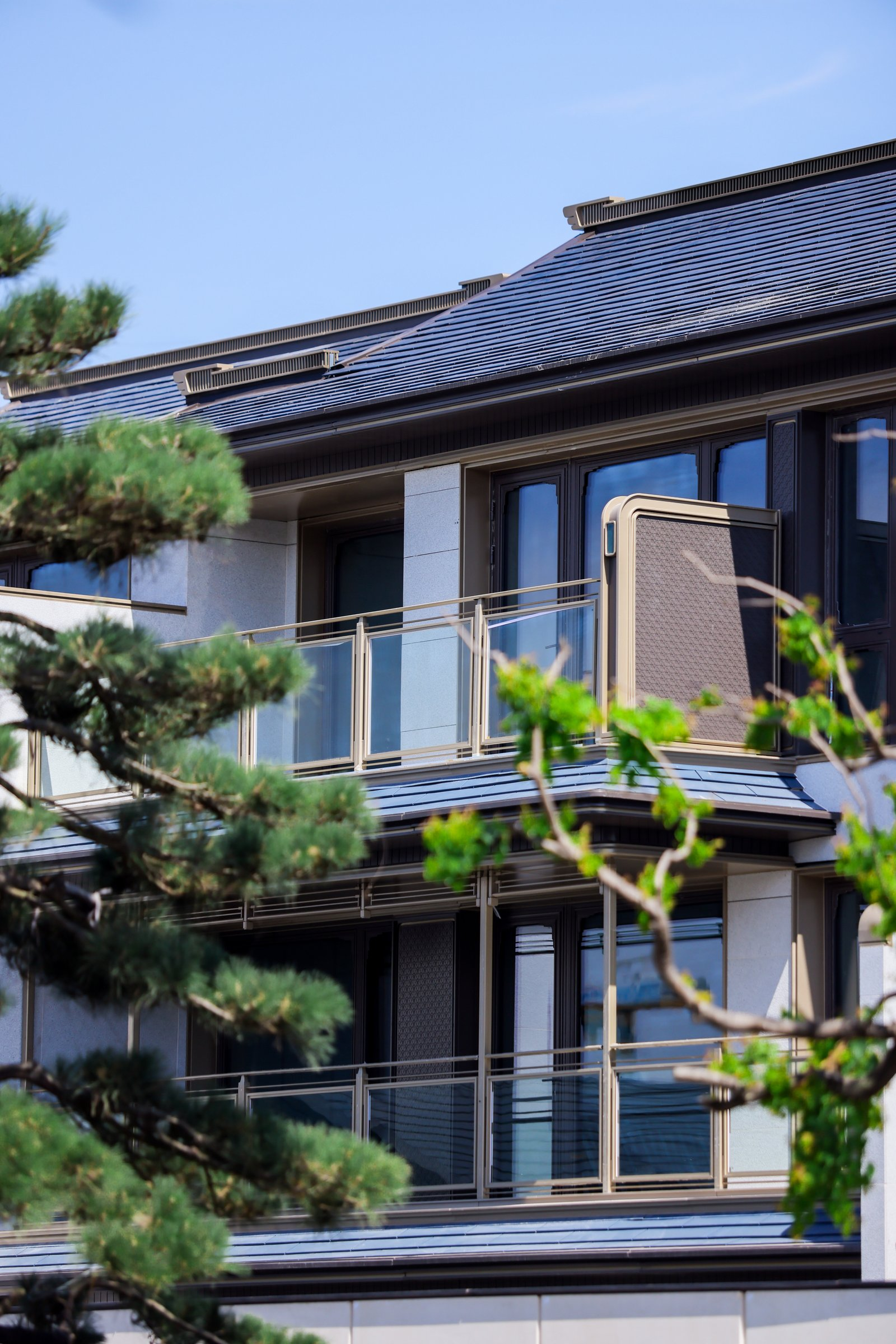
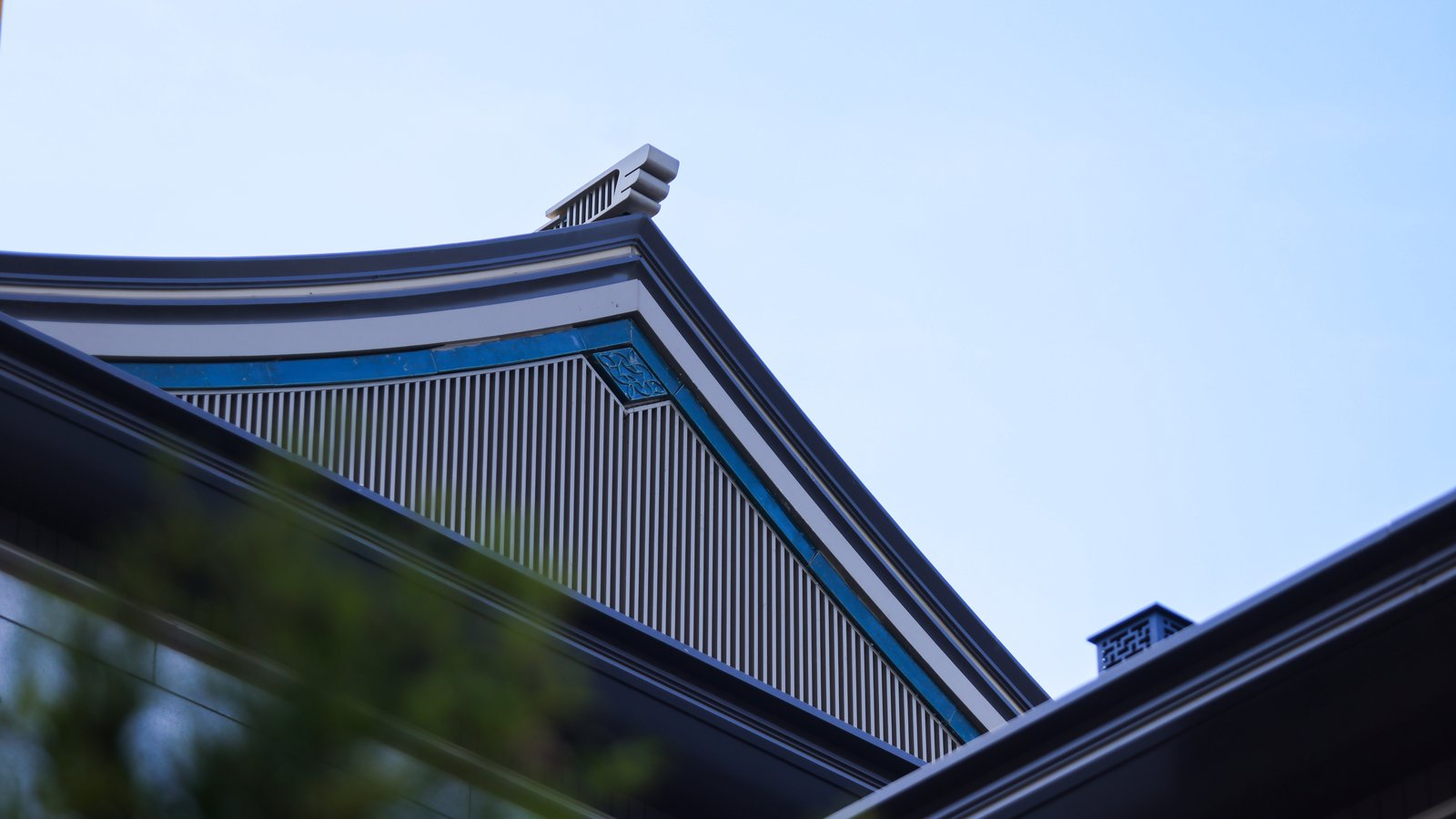
Image Credit :
Project Commissioner
Jinan Chengtai Real Estate Co., Ltd.
Project Creator
Project Overview
The project is situated in the Wangsheren area of Licheng District, Jinan, at the strategic core of the East Railway Hub—where the Huashan-Baiquan Landscape Corridor meets the Xiaohanyu River. This privileged location offers access to two premium ecological resources in the eastern city.
The masterplan draws inspiration from ancient settlement patterns while integrating modern urban planning principles. Adopting a cluster-style layout of gardens and architecture, it creates residential ensembles where Chinese-style structures blend harmoniously with landscaped spaces. The design translates elements of Song Dynasty culture into contemporary landscapes, achieving a seamless fusion of architecture and garden scenery.
Team
Project Brief
The project comprises eleven three-story residential buildings, with a clubhouse and demonstration area integrated at the main western entrance. Guided by the concept of "vibrant lanes and a living community," it harmoniously blends green ecology with neighborhood vitality to create a leisure-oriented living environment. This development establishes a high-quality benchmark for residential living in Jinan while serving as a showcase for the East Station area's functional and aesthetic identity.
Inspired by the traditional triple-courtyard layout of Jiangnan-style gardens, the design incorporates the classical Song Dynasty gardening philosophy of "One Pond with Three Hills" to emulate natural landscapes. More than 3,000 square meters have been dedicated to private gardens and a clubhouse, each meticulously crafted to reflect the elegance and aesthetics of Song-style landscape architecture.
Project Innovation/Need
Unlike the rigid and orthogonal urban layouts typical of northern Chinese cities, ancient Jinan developed in a more flexible and organic manner, harmoniously adapting to its natural environment. Informed by this distinctive character, the project introduces a spatial hierarchy of "street-lane-alley", enriched by rhythmic variations in width and axis. This creates a dynamic sequence of spaces where carefully scaled landscape nodes—alternating between expansive and intimate—are woven between lanes and courtyards. The result is a vibrant neighborhood where main streets foster activity while secluded lanes offer tranquility.
The unit design reinterprets the relationship between traditional building platforms and courtyards. Introducing the concept of vertical gardens, it employs a multi-dimensional layout where architecture and landscape interpenetrate, producing an experience of multiple ground levels within a single residence.
The plan emphasizes harmony between "courtyard" and "garden", focusing on the flow between spaces and the blurring of indoor-outdoor boundaries. Room relationships are designed to resonate with classical garden principles while accommodating modern living habits. Functional elements and landscape features are intricately intertwined, ensuring views and nature permeate the interiors.
Inspired by the iconic painting "A Thousand Li of Rivers and Mountains", the design integrates Jinan’s spring water culture and traditional courtyard heritage. It incorporates Song-era architectural proportions and the classical five colors palette into the façade expression. Architectural components such as pivoted lintels, interlocking joinery, ornamental pillars, and decorative pendants are reinterpreted through a contemporary lens, culminating in an architectural art form deeply rooted in cultural refinement.
Design Challenge
·Integration of Traditional Spatial Sequences and Modern Site Planning:
Adopting an "imperfect symmetry" or "multi-axial" layout, the design preserves axial order in main courtyards while flexibly adapting secondary axes and landscape arrangements to site boundaries. Visual—rather than physical—axes are created through landscaping and corridors, avoiding rigid symmetry.
·Defining Community Atmosphere and Private Domains:
A "large enclosure, small grouping" approach establishes a cohesive community identity while ensuring each residence maintains privacy and unique views, minimizing visual intrusion between units.
·Modernizing Courtyard Scale:
A "three-dimensional courtyard" strategy introduces multi-layered outdoor spaces—including sunken courtyards, sky terraces, rooftop decks, and interior light wells—ensuring every key room engages with nature.
·Contemporary Interpretation of Historical Symbols:
Moving beyond literal imitation or stereotypical cultural motifs, the design abstracts, refines, and reinvents traditional elements through a modern architectural language.
Sustainability
·Courtyard System:
Drawing from traditional courtyard layouts, the design forms an efficient microclimate regulation system. It promotes ventilation and cooling in summer, while blocking cold winds and capturing sunlight in winter, significantly reducing heating and cooling demands.
·Sunshading and Light:
Modern reinterpretations of grilles, overhangs, and curtain walls are not merely decorative; they are precisely calibrated based on solar studies, applying Song Dynasty shading principles through contemporary technology to achieve effective passive shading.
·Material Sustainability:
High-quality, durable natural stone is extensively used indoors and outdoors, reducing maintenance needs and ensuring healthy indoor air quality from the source to create a wholesome living environment.
·Natural Spring Water:
The project incorporates Jinan’s natural flowing springs, forming an active sponge system with water inlets that enable a carbon-negative water cycle.
Architecture - Residential - International
This award celebrates the design process and product of planning, designing and constructing form, space and ambience that reflect functional, technical, social, and aesthetic considerations. Consideration given for material selection, technology, light and shadow.
More Details