

Key Dates
11 Dec -Extended Deadline
14 Dec -Judging
17 Dec -Winners Announced
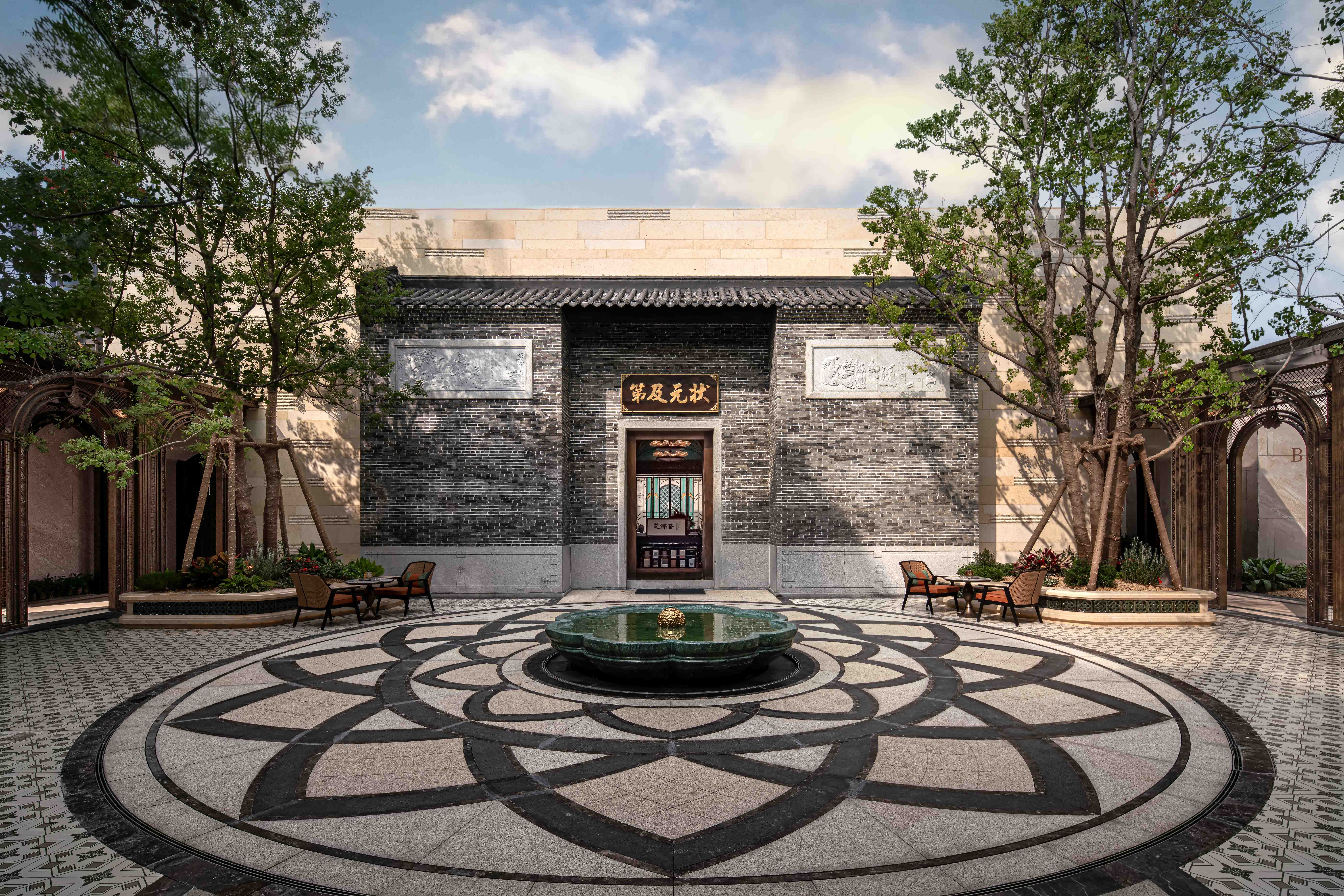
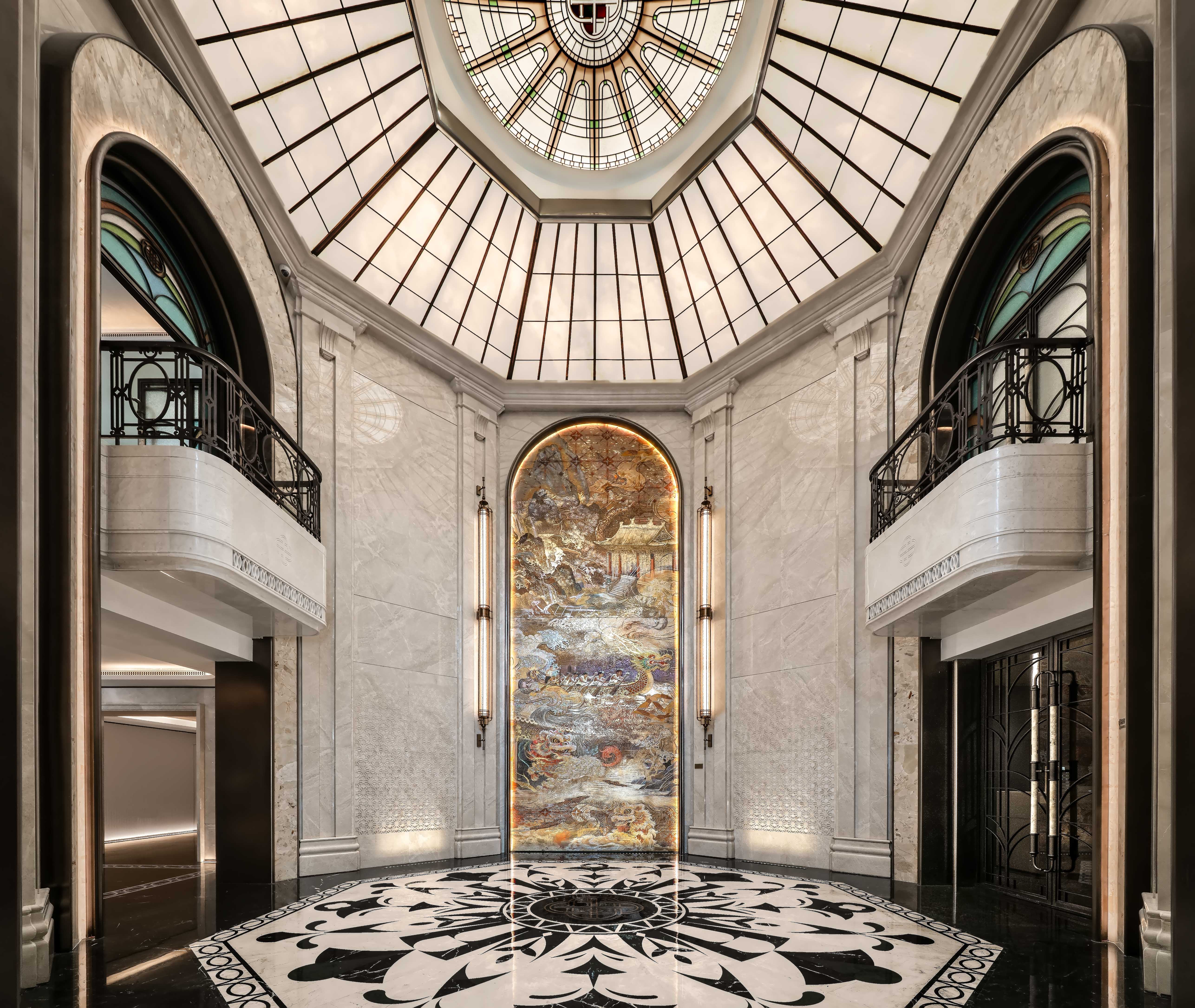
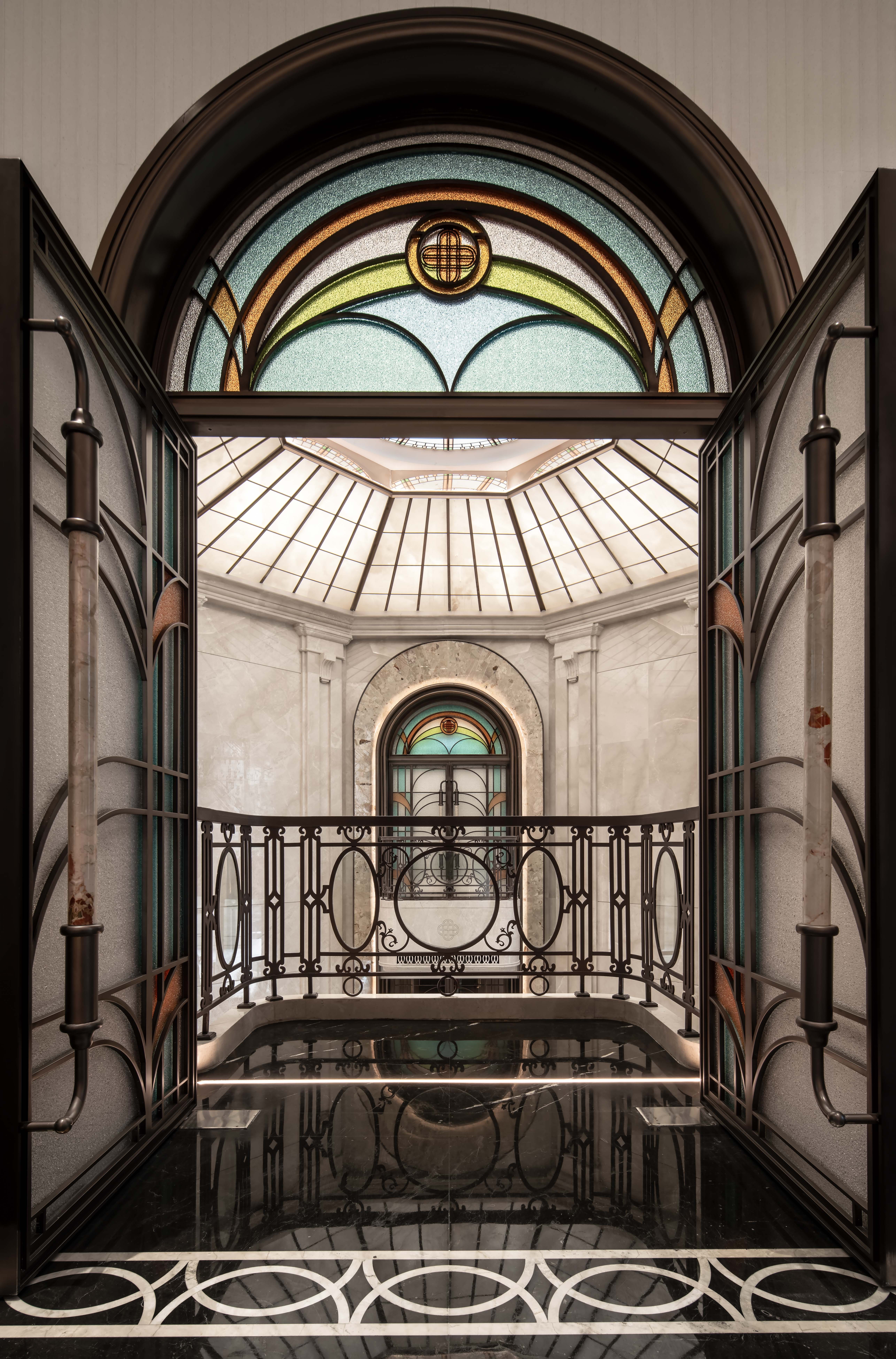
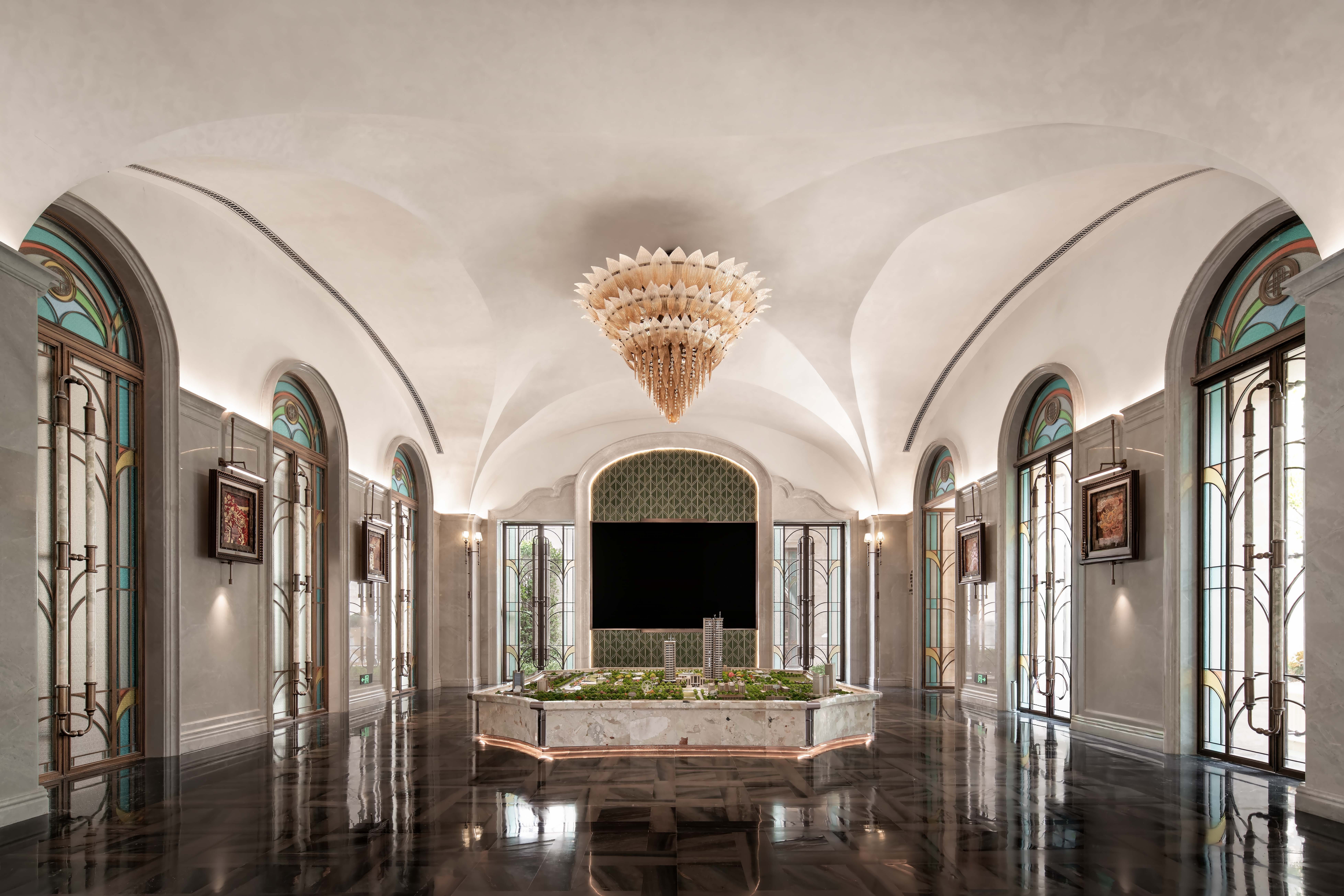
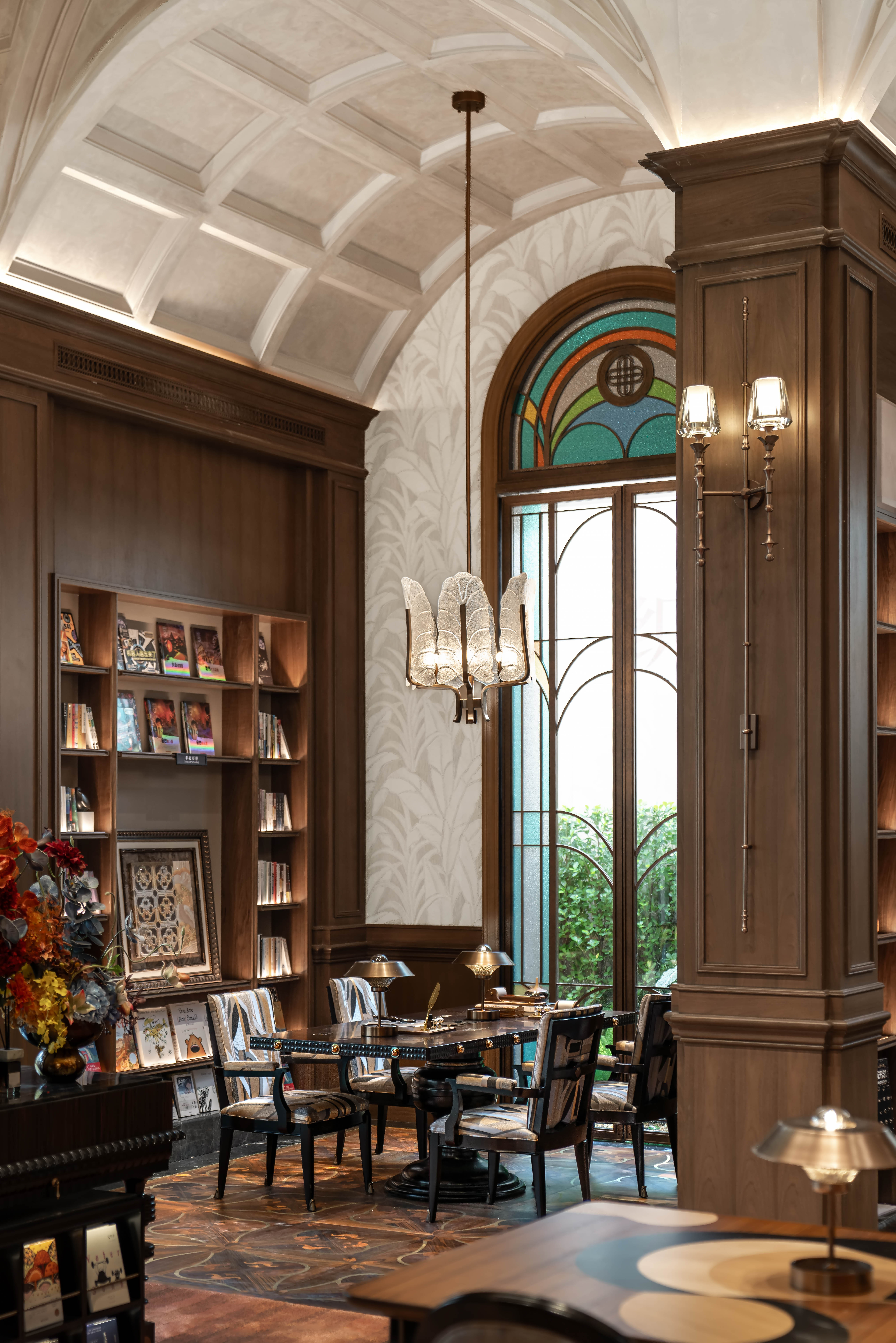
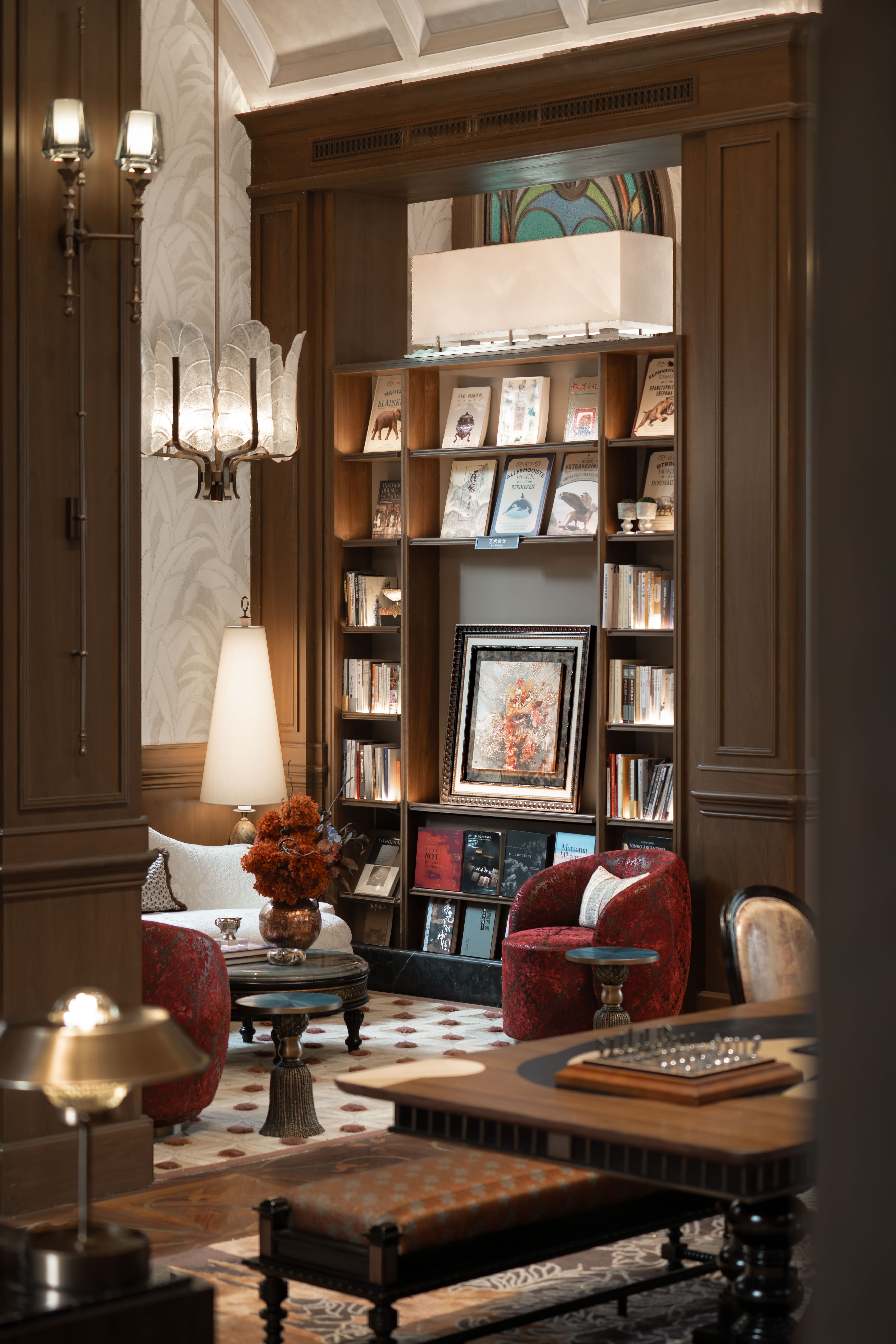
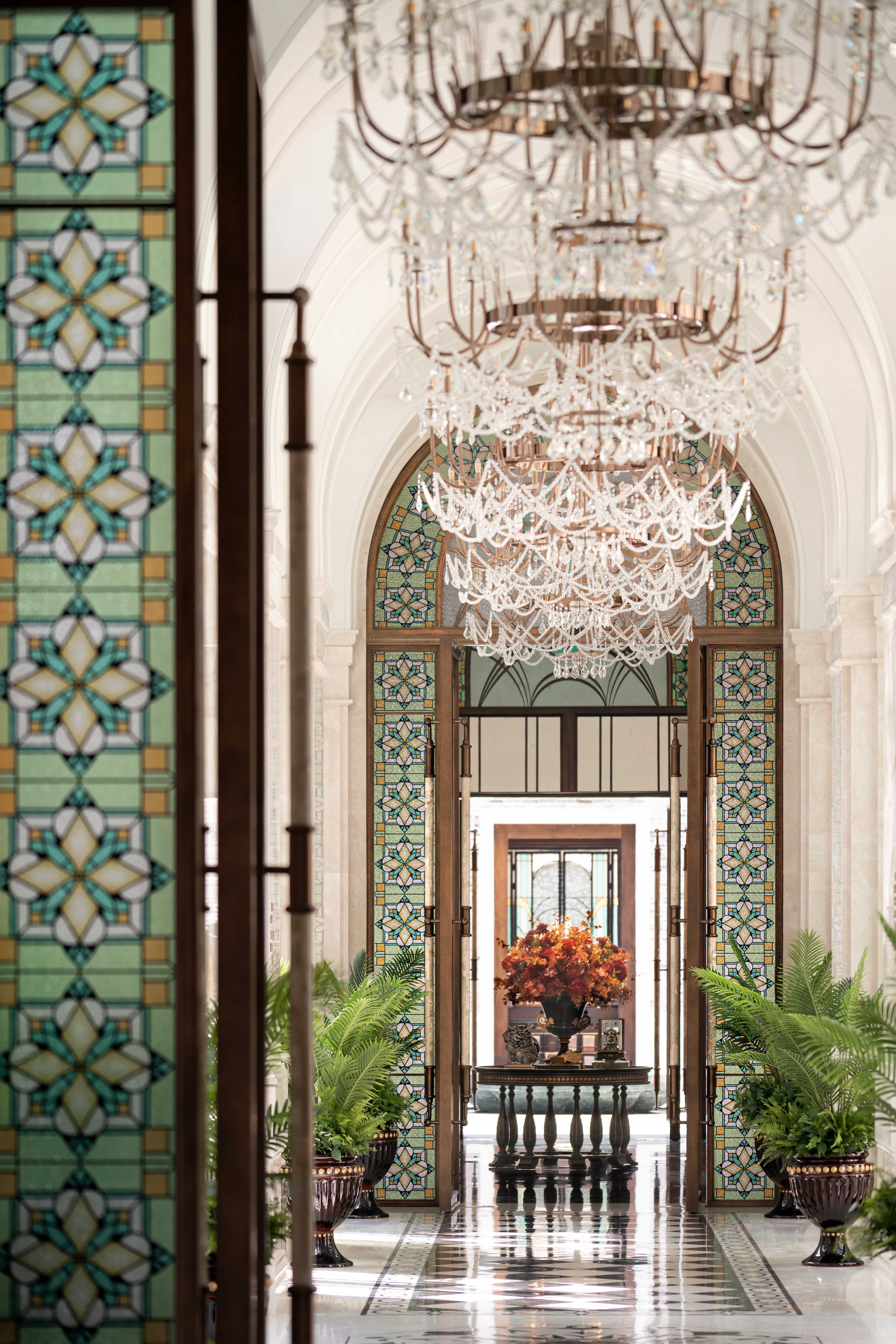
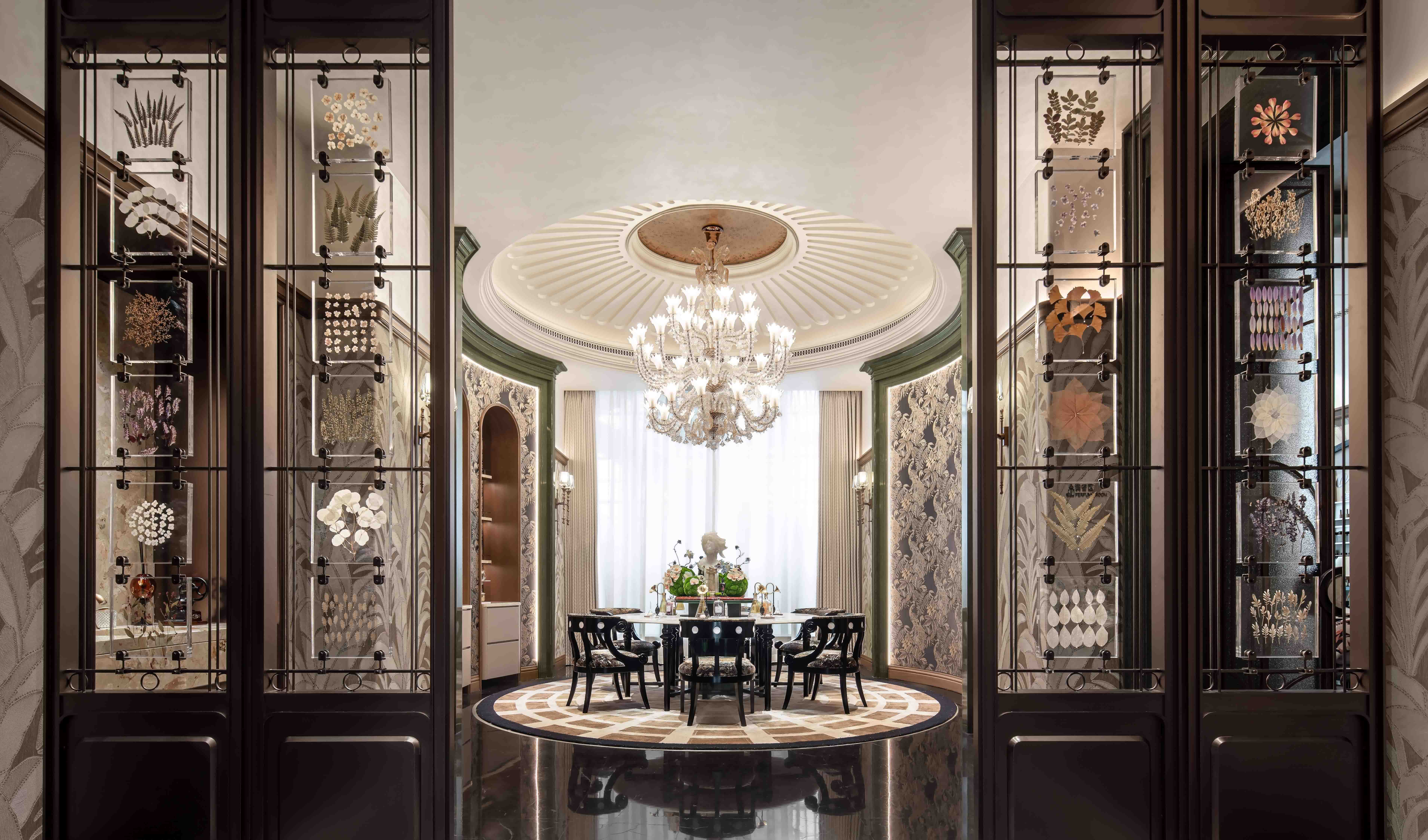
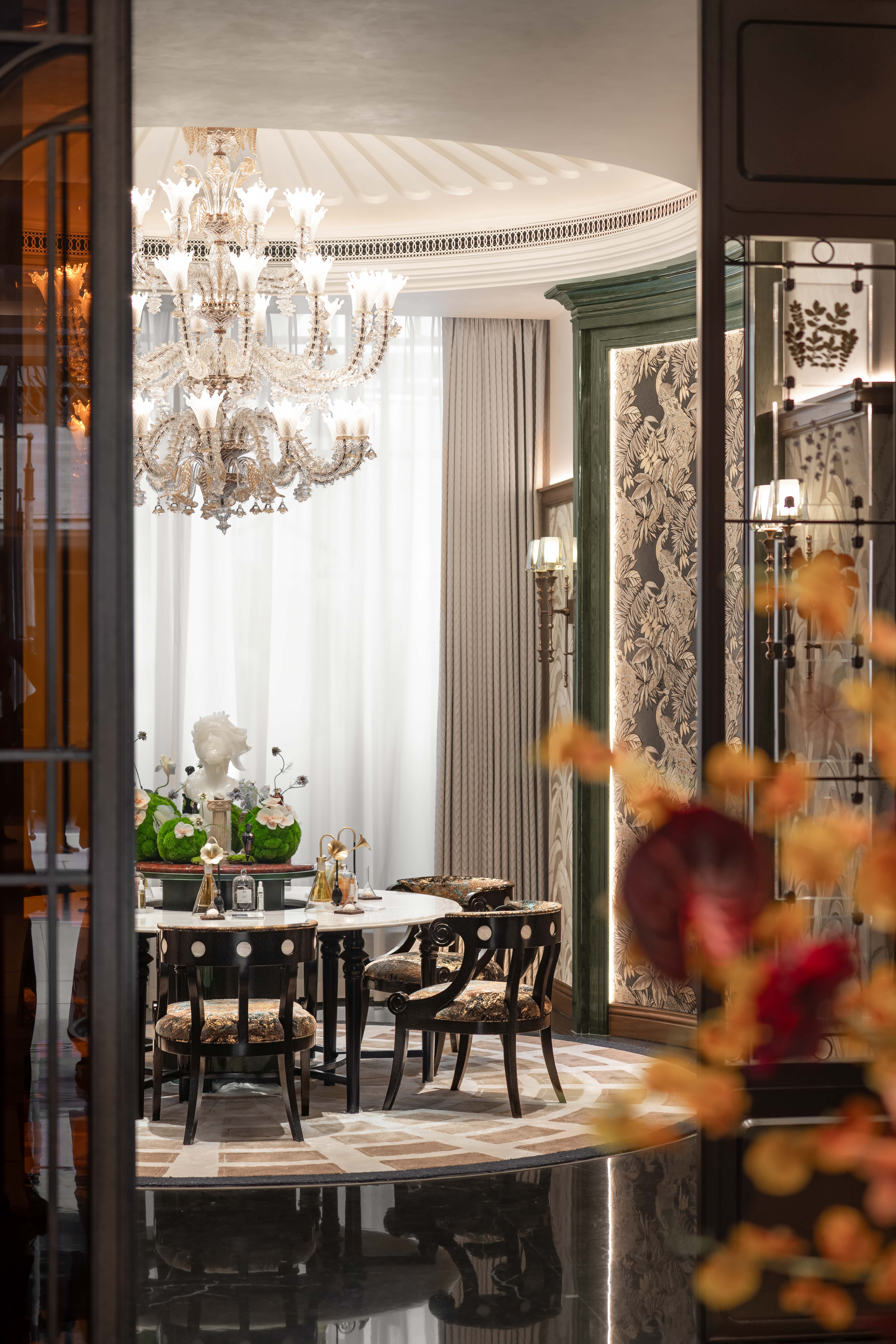
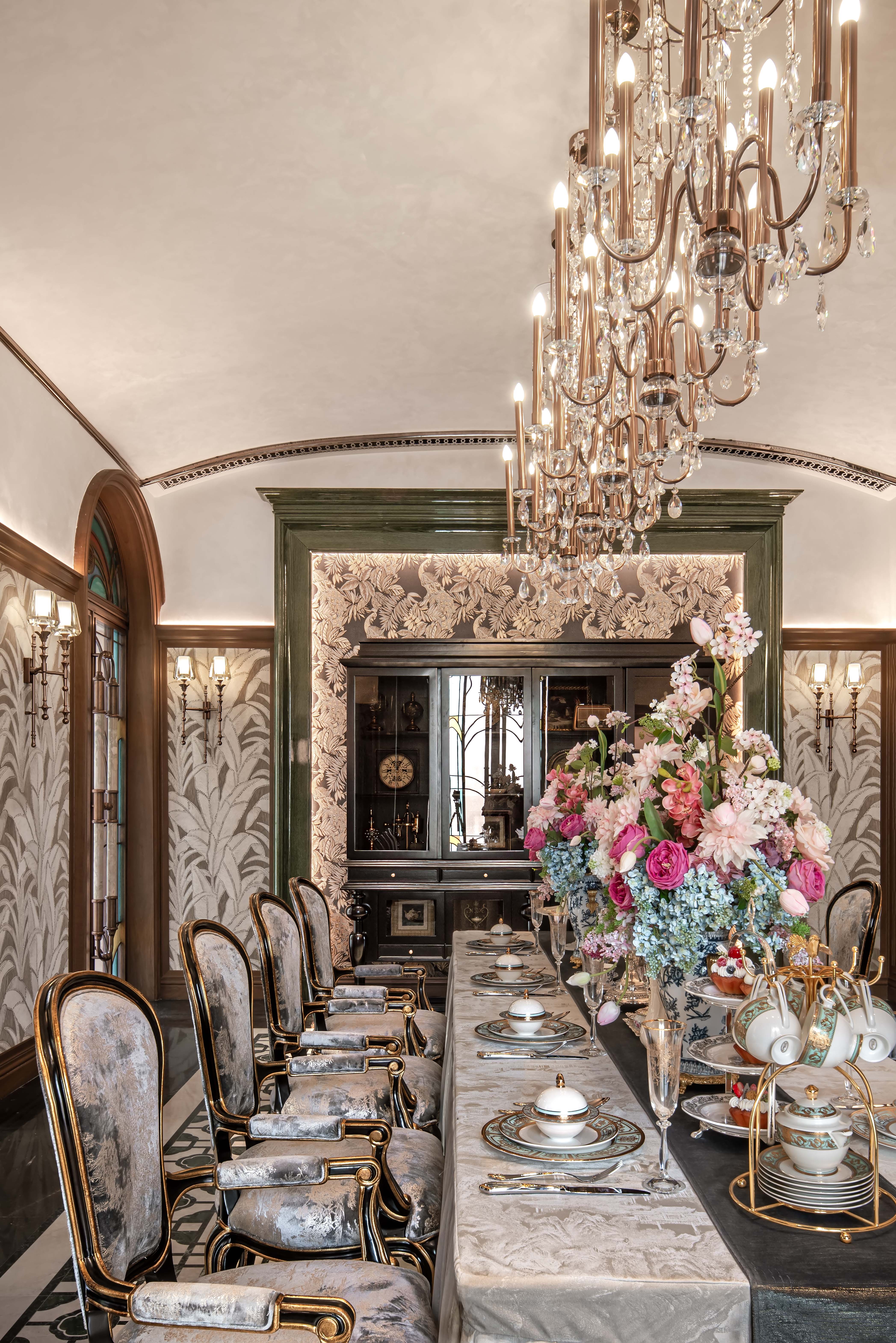
Image Credit :
Project Commissioner
Project Creator
Project Overview
Modern style design bridges tradition & modernity, locality & globalism. Rooted in "Lingnan Heritage, Gilded Foshan", it draws on pot-ear gables' solemnity, Shiwan ceramics' texture, and the Pearl River's grandeur.
Aligning with Foshan’s urban essence of Sino-Western integration, the design team seamlessly blends Greentown’s core ethos with Lingnan’s cultural heritage—neither a simple reproduction of tradition nor a blind transplantation of international styles. Instead, at the intersection of Eastern wisdom and modern art, and the convergence of humanistic heritage and quality living, it distills the essence of Lingnan’s millennium-old craftsmanship. Taking elegance as its inherent temperament, the project presents a new "crabapple bloom" for Foshan through tapestry-like craftsmanship.
Team
Project Brief
Time slows down in this space. The dappled light filtered through stained glass and the warmth of wood jointly evoke a sense of cultural belonging and inner tranquility. It continues Foshan’s cultural legacy with oriental aesthetics, allowing visitors to savor the charm of Lingnan art.
The double-height hollow structure is crowned with an octagonal glass dome that ushers in natural light, creating a soft interplay with the light-colored stone walls. The black-and-white patterned marble flooring stretches out like still water, exuding a sense of order and stability. A giant hanging artwork, crafted with intangible cultural heritage (ICH) techniques, encapsulates the spiritual core of “cloud-water zen”. Cultural motifs in the murals—including dragon boat races, leaping lion dances, and the upturned eaves of ancestral temples—quietly awaken a feeling of belonging.
Flanking the corridor, the Foshan Culture series of paintings form a narrative thread, laying the groundwork for regional culture through artistic expression. Traditional symbols are reinterpreted under contemporary exhibition logic. Within this compact yet profound space, viewers’ deep-seated connection to Foshan’s culture is stirred, leaving them calm and moved.
A cluster of intricate and romantic crystal lamps hangs from the palace-style carved dome, while large-scale Manchu windows line both sides. Floral patterns, segmented by dark metal frames, strike a balance between order and agility. The radiance of the crystal lamps coexists with the vitality of greenery, infusing solemnity with warmth. Beyond tranquility and ritual, visitors can listen to a gentle dialogue between time and memory.
Project Need
This project integrates Foshan’s local intangible cultural heritage (ICH) crafts with modern soft decoration carriers, creating the "Foshan Soul" series of art systems. For example, the paintings adopt ICH techniques such as gold leaf gilding, traditional mineral pigment craftsmanship, copper chiseling, and stucco gilding; the furniture incorporates gold thread beaded embroidery and relief gilding; and the sculptures reconstruct regional totems around the theme of "carp leaping over the dragon gate". This breaks the limitation of ICH crafts being merely display pieces, turning them into components that combine both spatial functionality and artistic value.
Rooted in Lingnan Cantonese culture, the design blends Shanghai-style modernity with Nanyang overseas Chinese hometown motifs to create a unique style of "coexistence of Chinese and Western elements", setting a benchmark for the "New Lingnan Light Luxury" style in the market.
By extracting Foshan’s core cultural symbols and transforming them into elements such as furniture patterns, lamp shapes, and art installations—for instance, designing lamps and chairs based on white orchid petals, and creating carpets and side tables with Manchu window patterns—the project achieves an artistic transformation of regional symbols from "figurative" to "abstract", enhancing the project’s cultural recognition.
Design Challenge
Materials adapted to regional culture include local materials such as Shiwan glass, Xiangyunsha silk, and Manchu window glass. For example, Xiangyunsha silk is used for art installations and throw pillows, while Shiwan ceramics serve as decorative ornaments for the front hall’s focal view. This not only satisfies local-based clients’ emotional identification with native culture but also enhances the space’s scarcity and quality through intangible cultural heritage (ICH) materials.
Lamps and artworks are crafted from materials like crystal, gold leaf, and glass, catering to the elite circles’ pursuit of top-tier luxury ritual. Meanwhile, wood and stone bases are incorporated to neutralize the cold and rigid texture of these glamorous materials, achieving the spatial mood of "luxurious yet not frosty".
The warm texture of traditional Lingnan elements and the dazzling feel of international top-tier luxury are prone to style fragmentation. The project therefore needs to control the rhythm in terms of material ratio and spatial sequence, realizing the harmonious coexistence of traditional symbols and modern materials.
Sustainability
The vitalization of cultural heritage inheritance is realized by transforming Foshan’s intangible cultural heritage (ICH) crafts and regional symbols (Ancestral Temple, lion dance, dragon boat, white orchid) into perceptible and experiential spatial elements through soft decoration. For example, the Chancheng Memory series of paintings, Shiwan ceramics exhibition area, and lion head crafting technique display cabinet not only preserve the originality of cultural crafts but also integrate cultural symbols into contemporary living scenarios. This achieves the inheritance and regeneration of Lingnan cultural context, avoiding the static preservation of cultural heritage.
Local materials such as Shiwan ceramics, Xiangyunsha silk, and native wood are prioritized, reducing carbon emissions from cross-regional transportation. Meanwhile, natural fiber materials like Xiangyunsha silk and Cantonese embroidery feature degradability, lowering the environmental load of soft decoration materials.
The design also balances functional transformation between the marketing phase and post-delivery period. For instance, the academy space in the sales office serves as a cultural experience zone during the marketing phase and can be converted into a community bookstore after delivery; the afternoon tea area and perfume blending room in the Queen’s Space not only meet the needs of circle events during the marketing period but also can be renovated into high-end community social spaces or convenient service facilities, realizing the efficient reuse of spatial resources.
Interior Design - International Sales Center
Open to all international projects this award celebrates innovative and creative building interiors, with consideration given to space creation and planning, furnishings, finishes, aesthetic presentation and functionality. Consideration also given to space allocation, flow, building services, lighting, fixtures, flooring, colours, furnishings and surface finishes. <div><b>
</b></div>
More Details