

Key Dates
14 Dec -Judging
17 Dec -Winners Announced
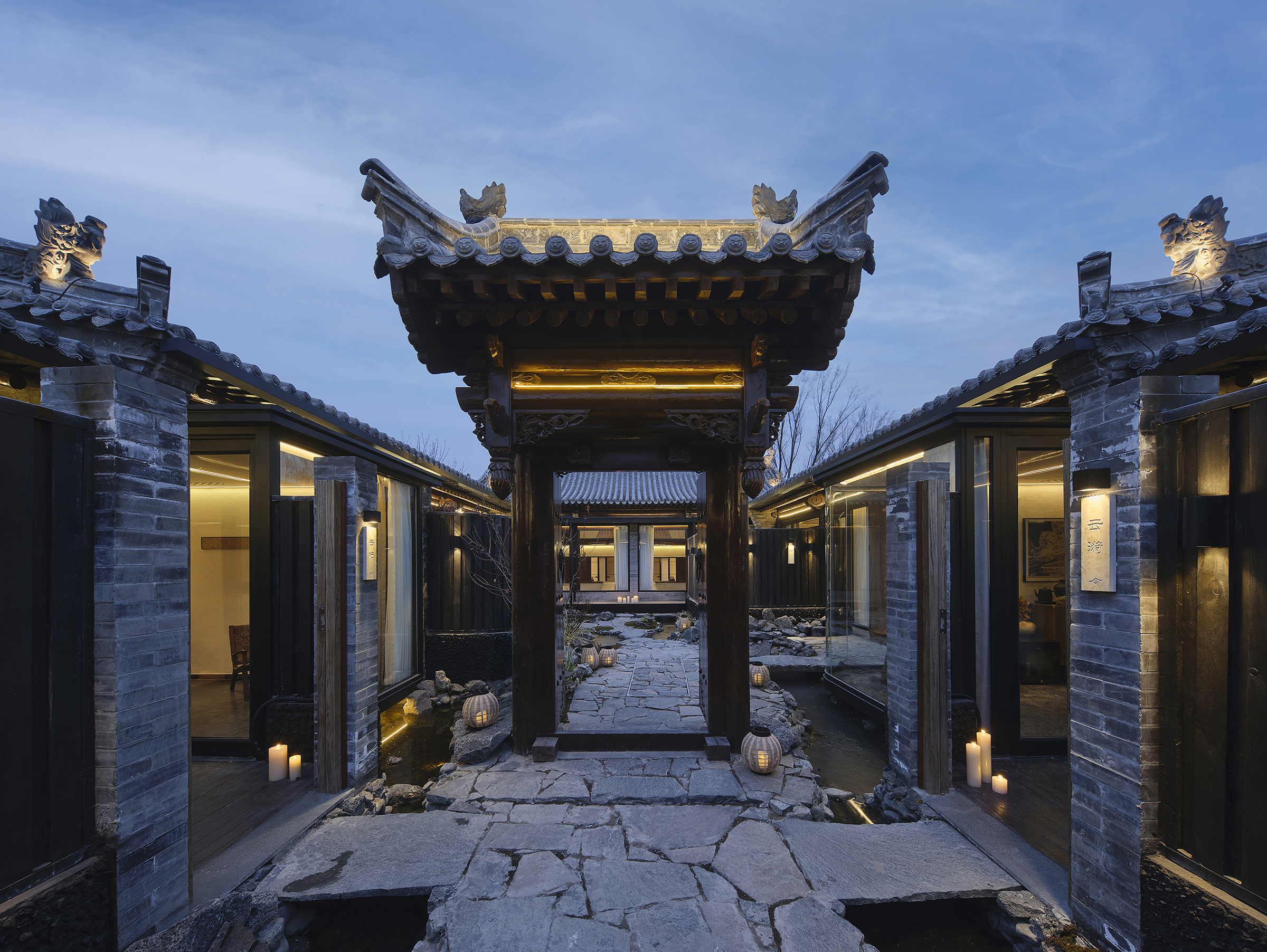
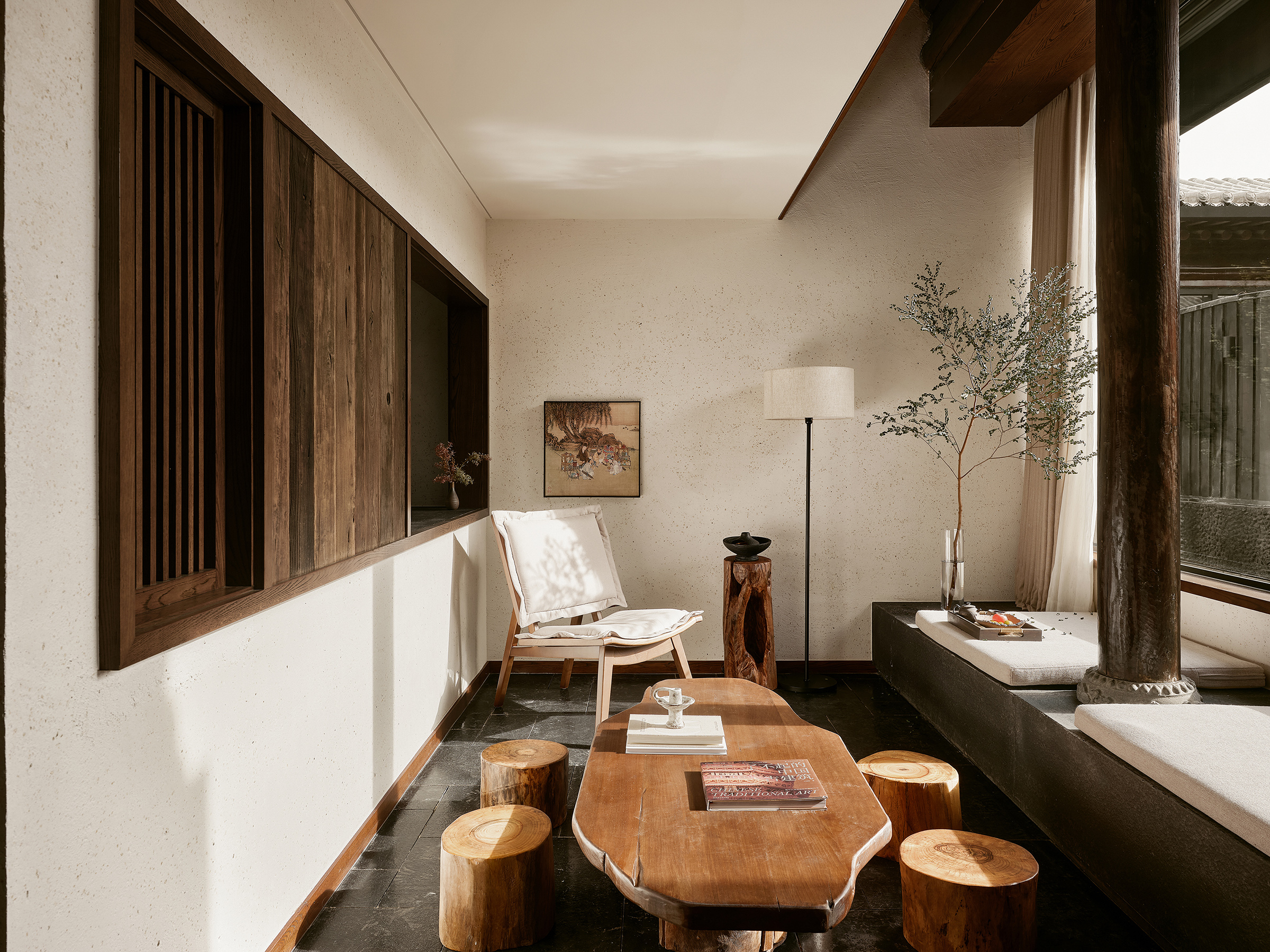
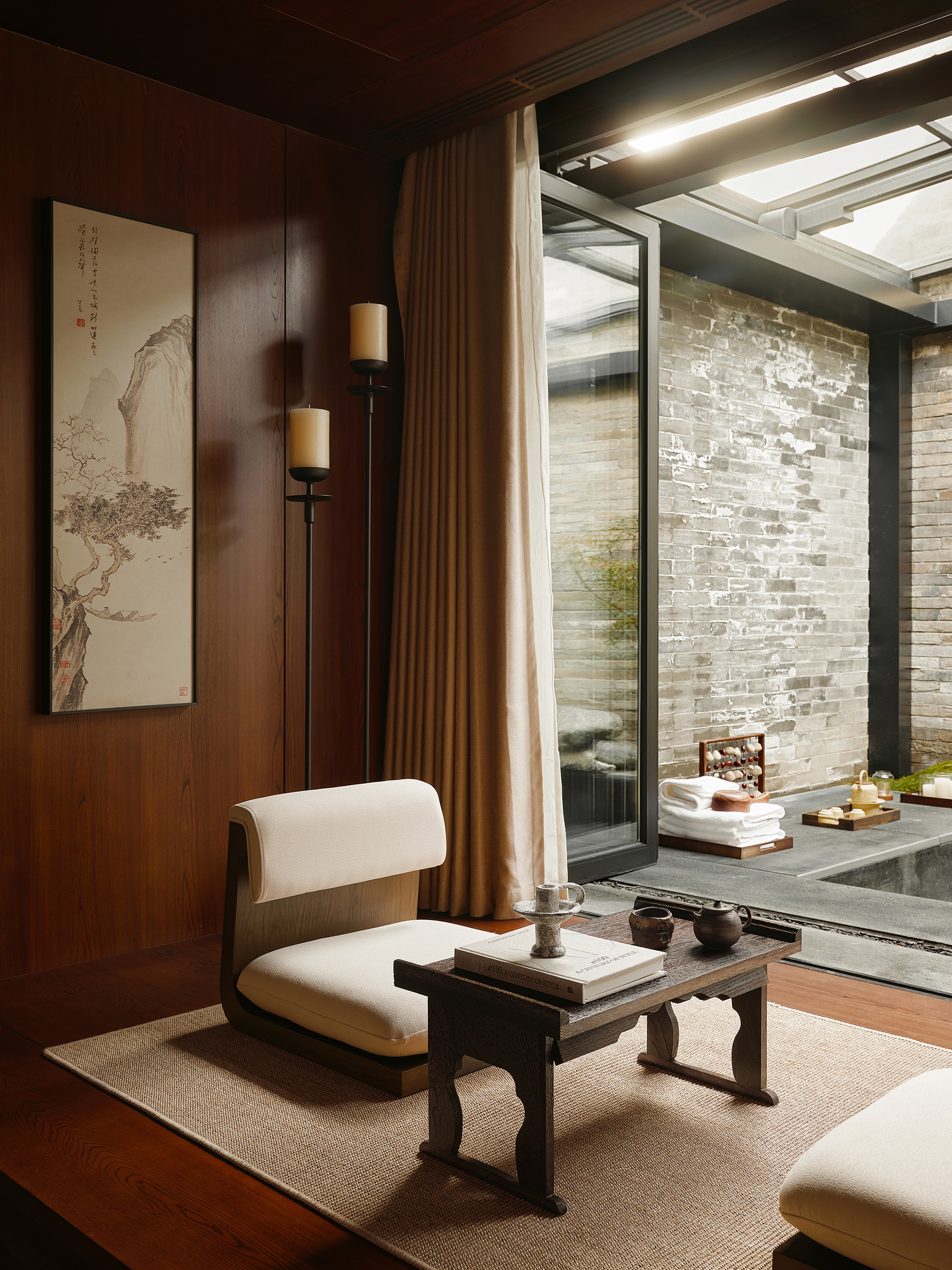
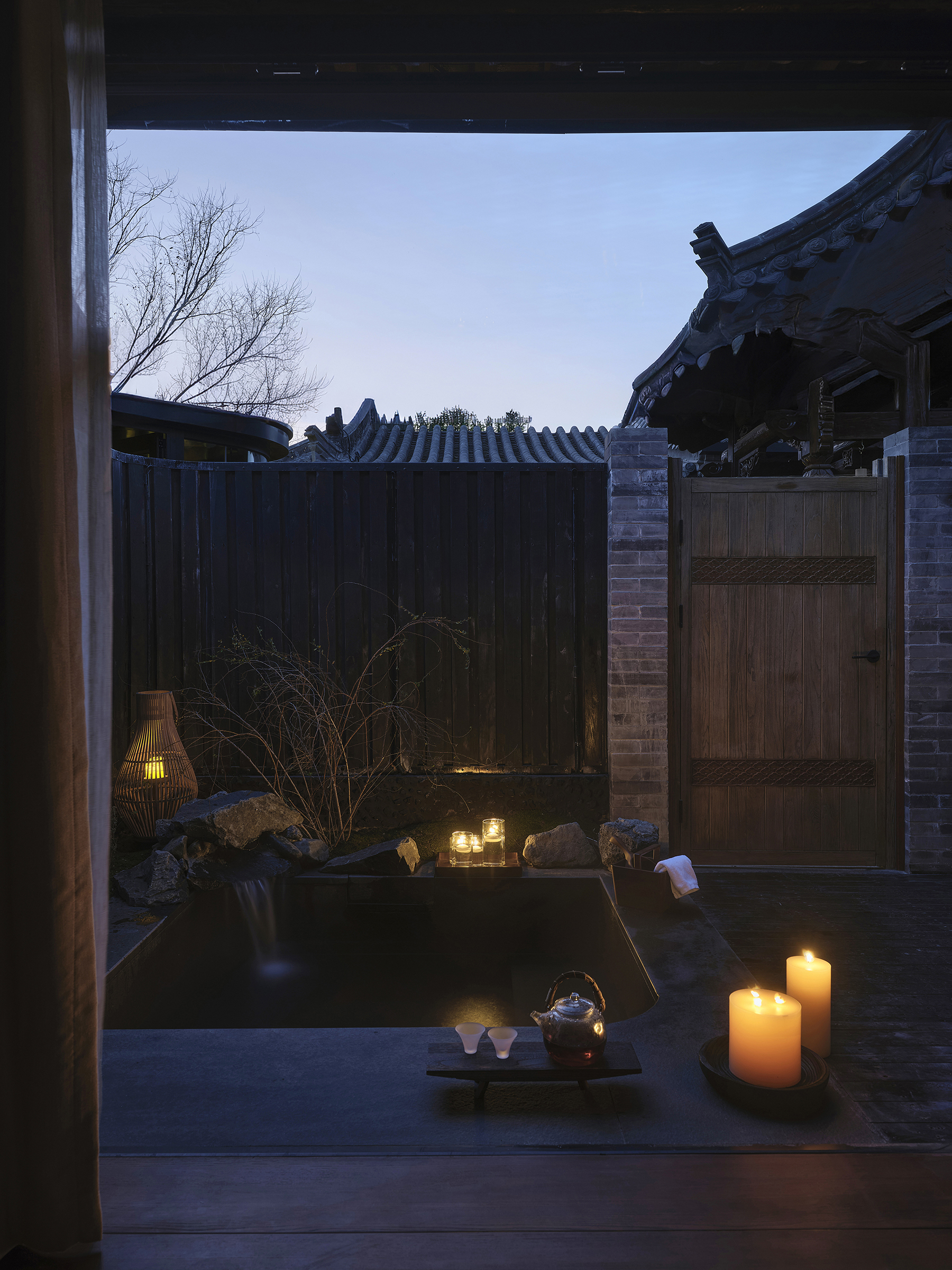
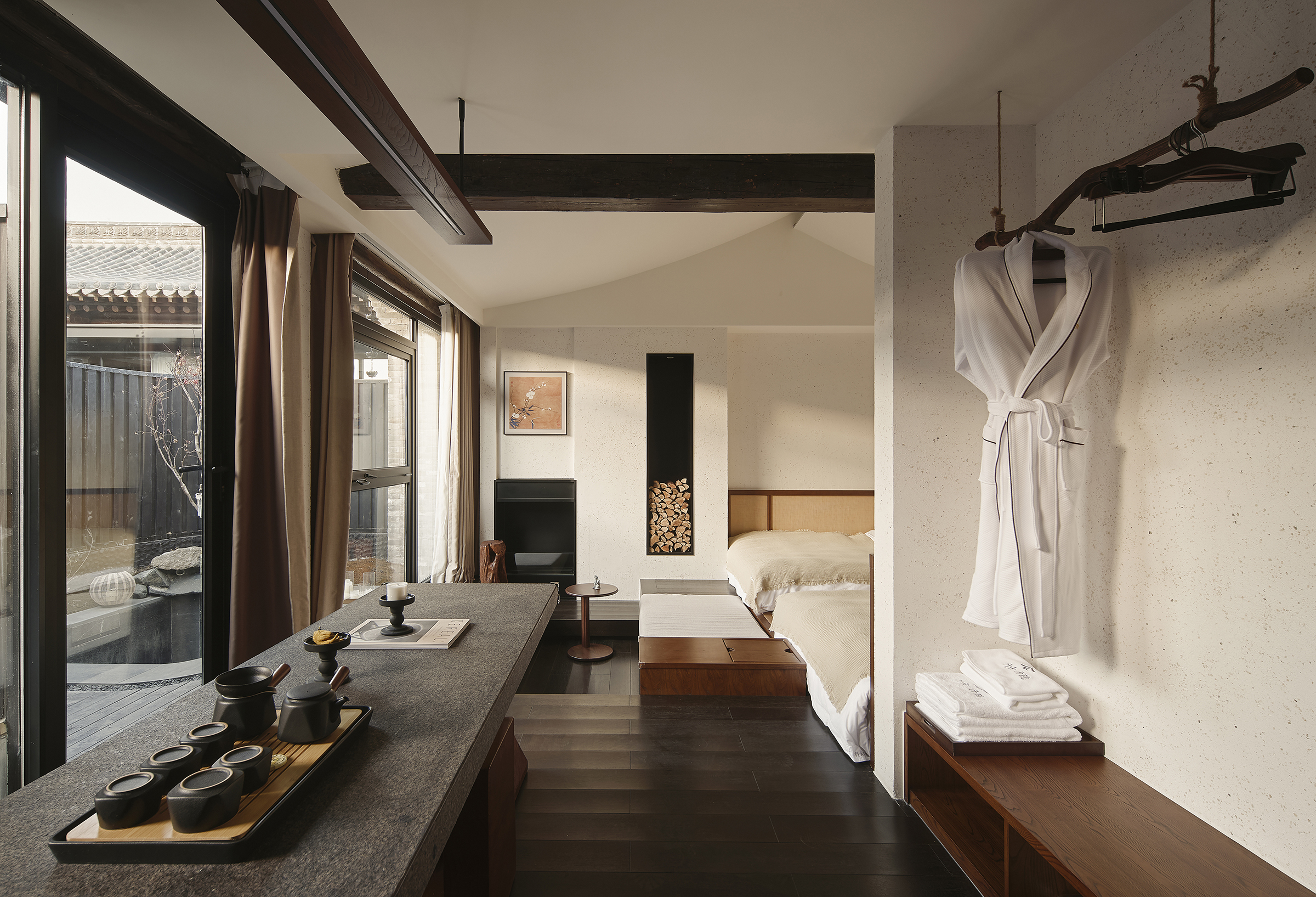
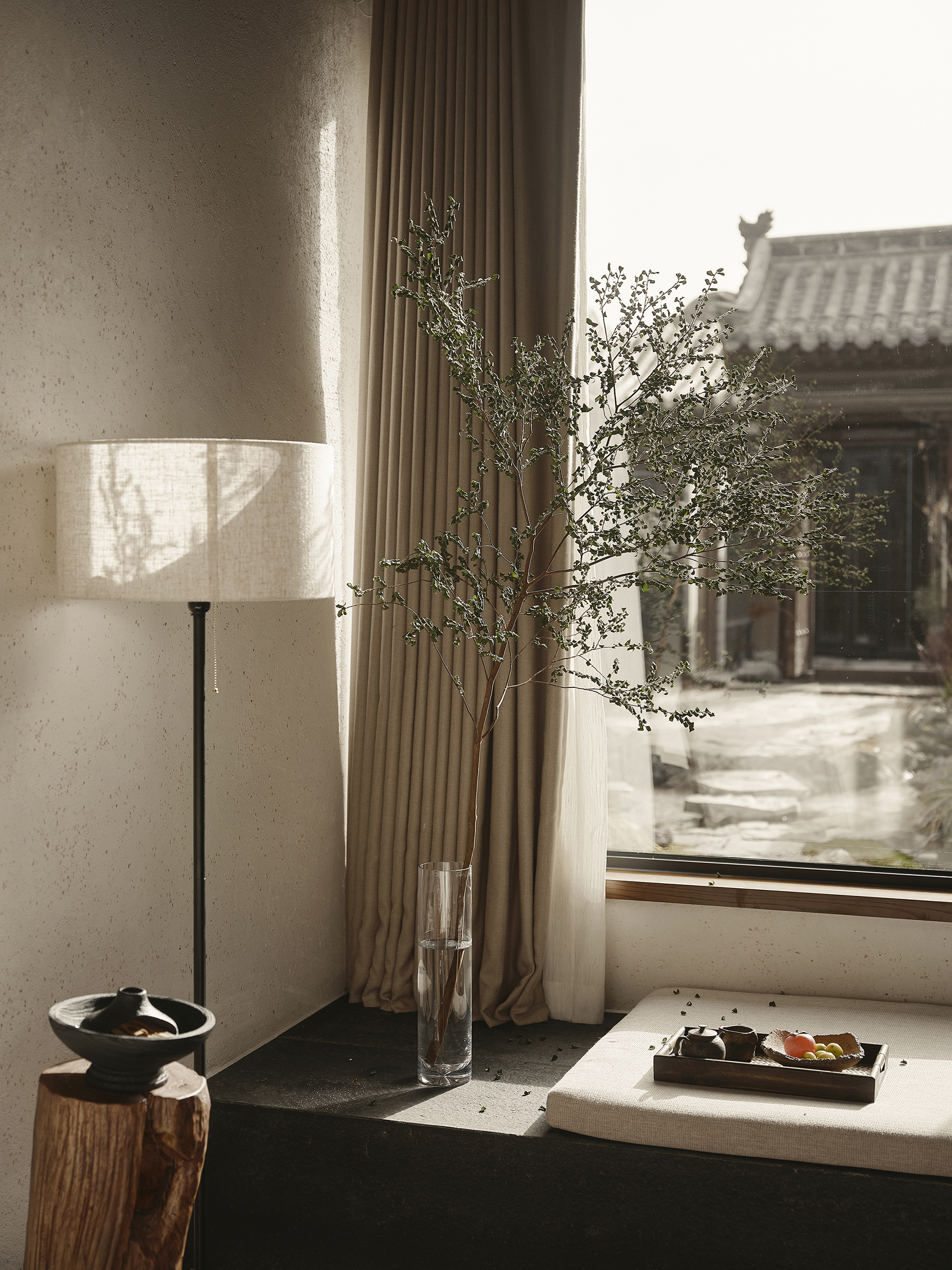
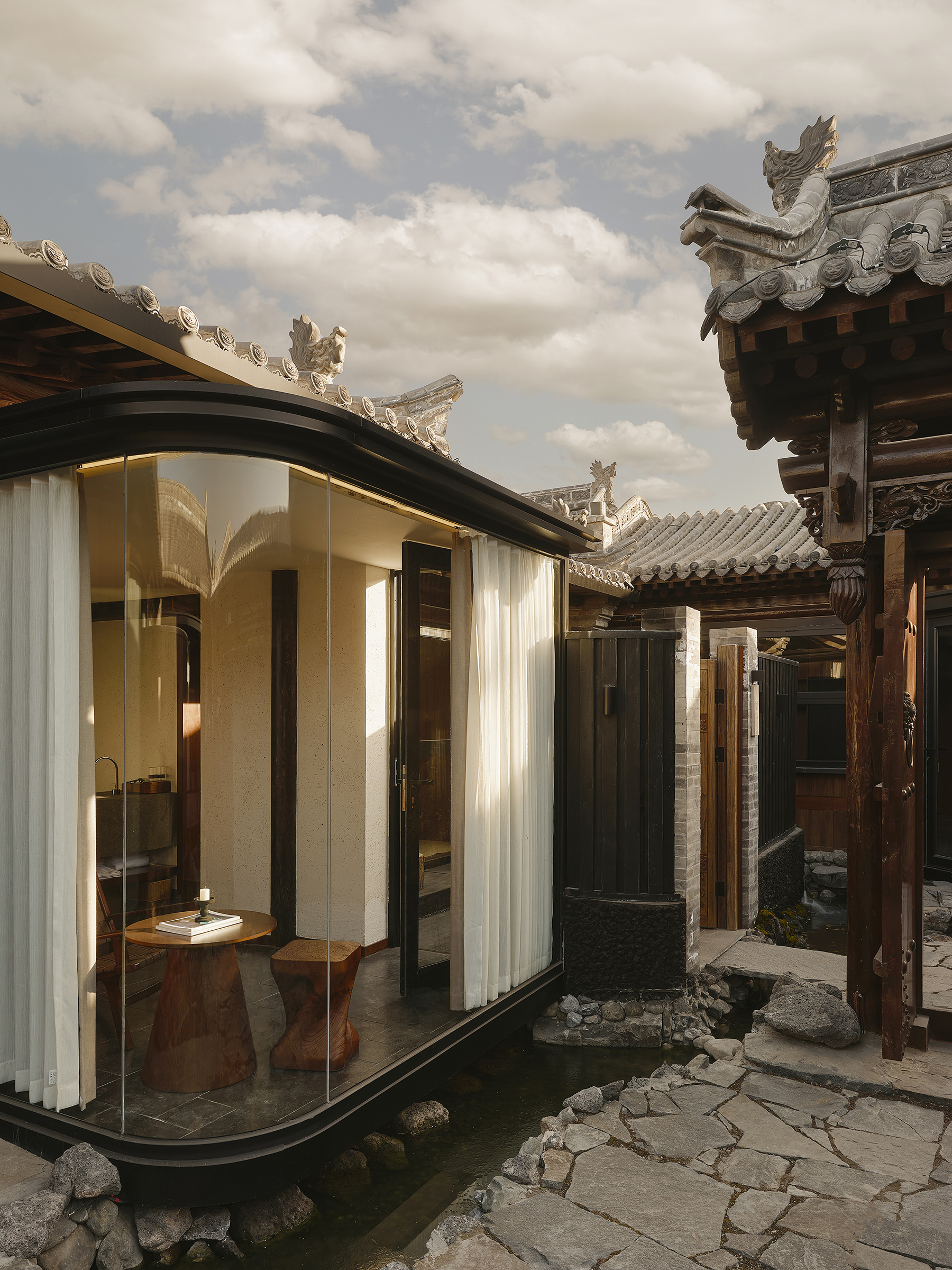
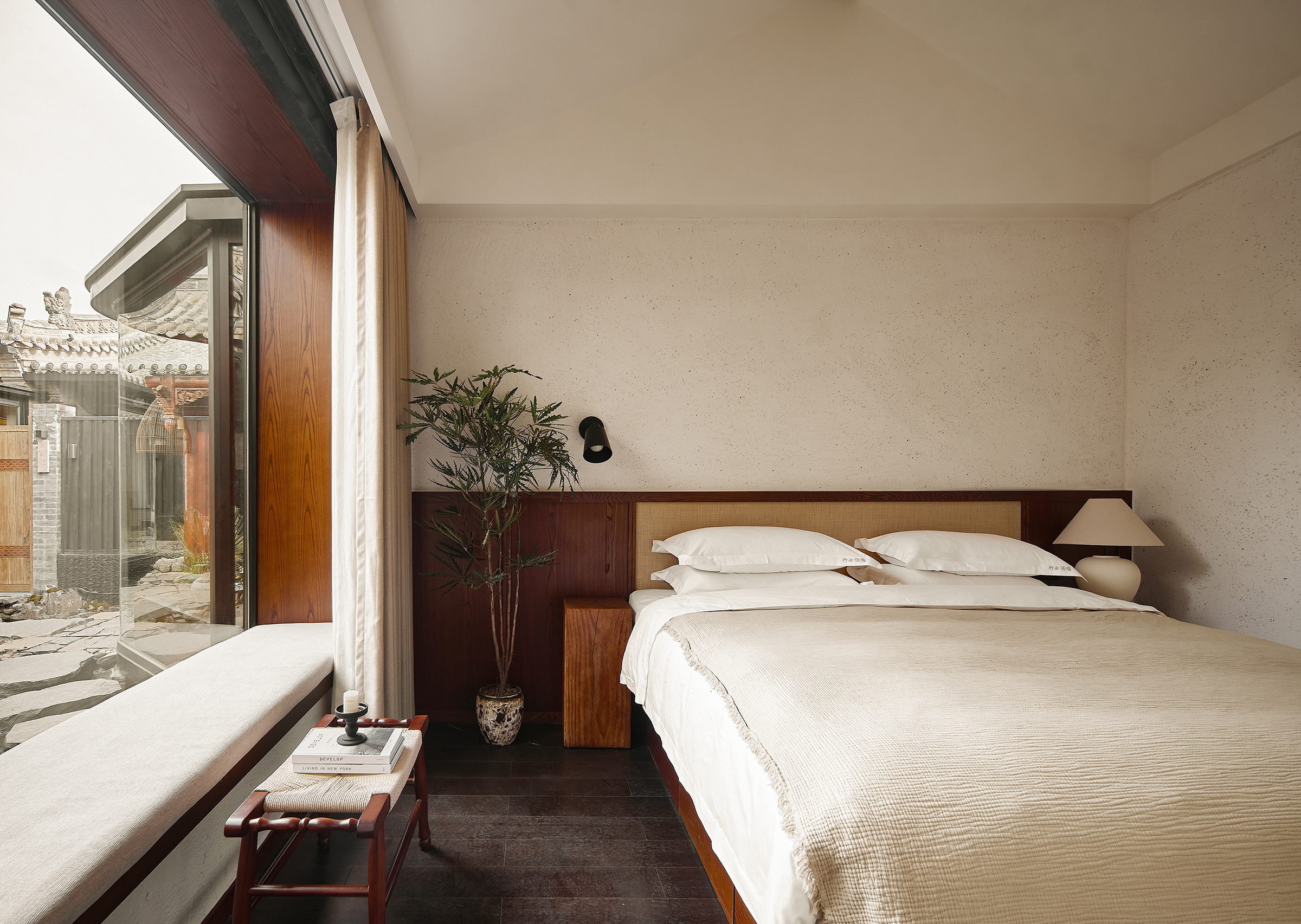
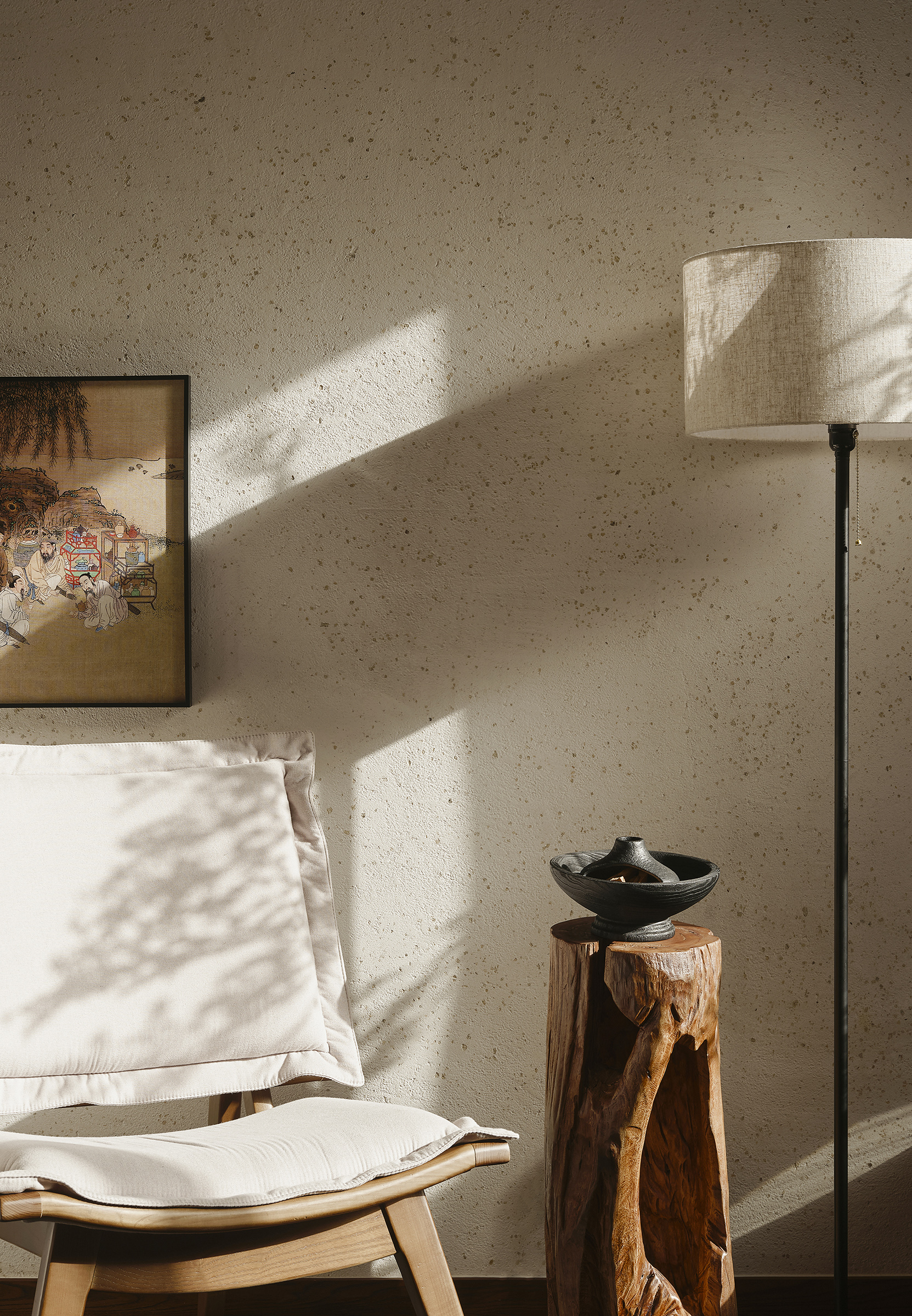
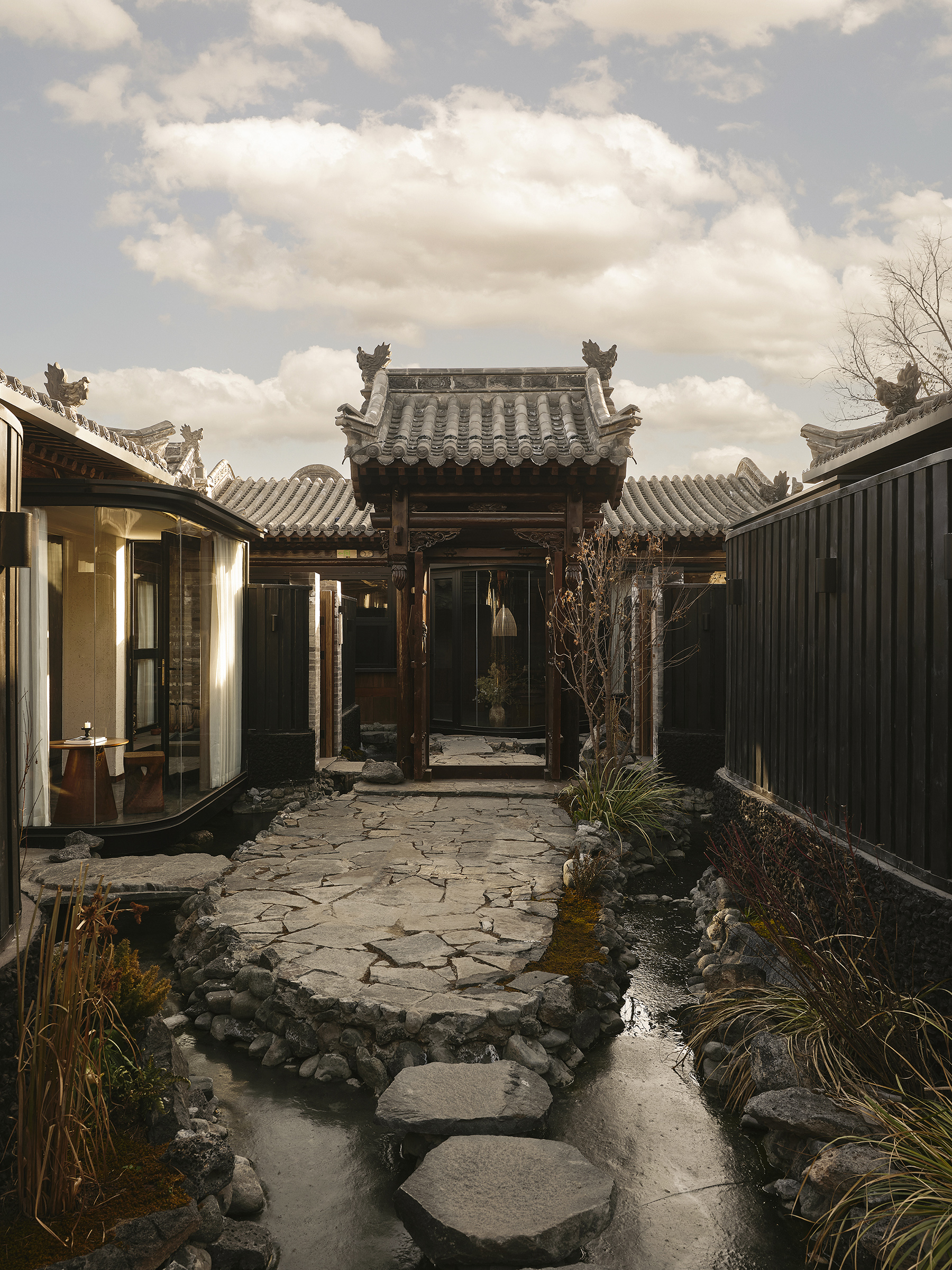
Image Credit :
Project Overview
This project is situated in the most vibrant historic district of Datong—a millennium-old capital that nurtured the flourishing cultures of the Northern Wei, Liao, and Jin dynasties. The deep temporal foundation of this ancient city provides a profound contextual anchor for the design. We have reimagined the traditional courtyard house, transforming it into a secluded sanctuary of retreat. As guests gently push open the gate, they immediately transition from urban bustle into a landscape-inspired realm drawn from the local natural essence of Datong. Here, the weariness of travel quietly dissolves, immersing both body and mind in a serene, healing sanctuary brimming with restorative energy.
The inspiration for the courtyard design stems from Datong’s unique natural heritage—the world's only volcanic cluster developed upon the Loess Plateau. From these ancient geological formations, we hand-selected basalt stones of varying textures and densities, thoughtfully placing them within each private hot-spring courtyard and the communal water-feature garden. Whether strolling along the pathways admiring the scenery or relaxing in a private thermal bath, what touches one’s fingertips are natural stones carrying the primordial energy of the earth. This is more than just a material application—it is a connection to the ancient frequencies of the planet, turning each stay into a grounded dialogue with the site and an experience of deep energetic healing.
Organisation
Team
Project Brief
The greatest constraint became our ultimate inspiration. How does one bring light, space, and a connection to nature into a compartmentalized, low-ceilinged historical shell? Our answer was a passionate, interior-first architectural strategy that weaves the ancient Siheyuan fabric, the local natural essence, and contemporary spatial flow into a singular, unforgettable experience.
We didn't just decorate; we sculpted new space from within. We excavated the earth to create double-height LOFTs, tore down non-structural walls to form flowing suites, and boldly extended living spaces over reflective pools. The interior embraces a "Frontier Lodge" aesthetic, where warm, reclaimed timber grounds the space and invisible smart systems offer effortless control. The genius unfolds in a tripartite spatial sequence: from the serene bedroom, through a contemplative leisure area, to the ultimate private hot-spring courtyard—a journey that culminates in a uniquely restorative ritual.
Each hot-spring courtyard is a microcosm of naturalistic style, visible directly from the bedroom through panoramic glazing. A sculptural tree rises above a textured carpet of moss, ferns, and native plants arranged over gentle mounds, while water emerges from a stone-stacked outlet as if from a mountain spring. Enhancing this immersion, the in-room breakfast experience is designed for flexibility—enjoyed at a leisure table or on the bedroom platform—allowing guests to dine while engaging with this tranquil, living canvas. This project is a testament to how interior architecture can breathe new life, poetry, and profound sensory tranquility into ancient walls.
Project Need
The market lacked a model that reconciled authentic historical immersion with the spatial standards, privacy, and wellness expectations of contemporary luxury. Typical courtyard renovations left guests in dark, cramped rooms disconnected from the outdoors.
Our interior design directly engineered a new paradigm. We created the “Courtyard-Integrated Suite,” where each unit is a holistic haven merging a generously scaled living-sleeping area, a fully separated wet zone, and a private exterior hot-spring courtyard. To achieve this within strict confines, we pioneered an “Interior Spatial Expansion Toolkit.” This involved vertical excavation (creating LOFTs), horizontal amalgamation (forming large suites from small rooms), and visual extension (using floor-to-ceiling glass and cantilevered bays). The result is a transformative experience: guests enjoy the soul of a historic courtyard with the spatial fluency, light, and visceral connection to nature of a premier modern retreat.
Design Challenge
The core challenge was to achieve a complete transformation of spatial quality without altering the protected exterior walls and roof; the interior had to accomplish a spatial miracle.
Our primary challenge was structural re-engineering from within. Creating sunken LOFTs and demolishing internal walls required meticulous structural analysis and reinforcement to ensure safety, with all work confined within the boundaries of the original building. The second, more critical challenge was construction over water. The balconies cantilevered over the water demanded an entirely new waterproof substructure extending from the old building. This involved complex waterproofing, thermal insulation, and anti-corrosion treatments at the interface between old and new structures, and between history and innovation. Finally, the invisible integration of complex systems—including smart controls, plumbing, and custom hot-spring facilities—within the historic masonry walls required unprecedented coordination and customized solutions to preserve the pure, serene aesthetic.
Sustainability
Our sustainability philosophy is built upon the fundamental principle of adaptive reuse as the highest form of conservation. By revitalizing the existing historic Siheyuan structure through intelligent interior and landscape redesign, we preserved immense embodied energy and extended the building's lifespan for generations, avoiding the significant carbon footprint of new construction.
The intervention itself actively enhances passive environmental performance. The introduction of high-performance glazing systems dramatically improves thermal insulation compared to the original windows, while strategic spatial openings optimize cross-ventilation and daylight penetration. This significantly reduces reliance on mechanical heating, cooling, and artificial lighting.
Material selection prioritized locality, durability, and a low environmental impact. The prominent use of locally sourced basalt stone and regionally appropriate plants minimized transportation emissions and reinforced the project's connection to its site. Interior materials were chosen for their longevity and natural composition.
Finally, a fully integrated smart building management system ensures operational efficiency. It automates lighting, shading, and climate control based on occupancy and external conditions, preventing energy waste. This project demonstrates that true sustainability in a historic context is achieved not by a single feature, but through a holistic strategy that honors the past, optimizes the present, and safeguards the future.
Interior Design - International Hospitality - Stay
Open to all international projects this award celebrates innovative and creative building interiors, with consideration given to space creation and planning, furnishings, finishes, aesthetic presentation and functionality. Consideration also given to space allocation, traffic flow, building services, lighting, fixtures, flooring, colours, furnishings and surface finishes. <div><b>
</b></div>
More Details