

Key Dates
07 Jan -Winners Announced
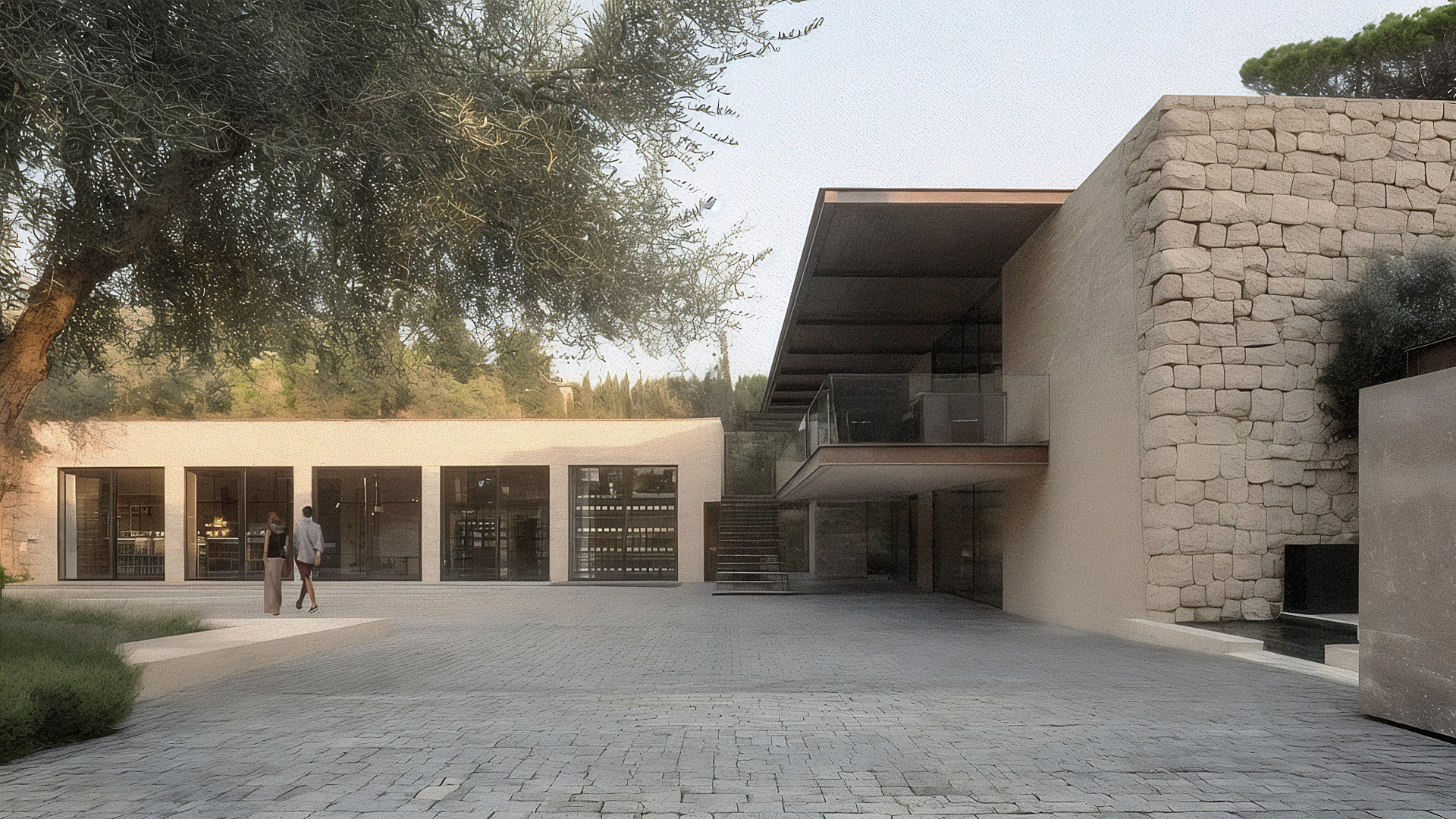
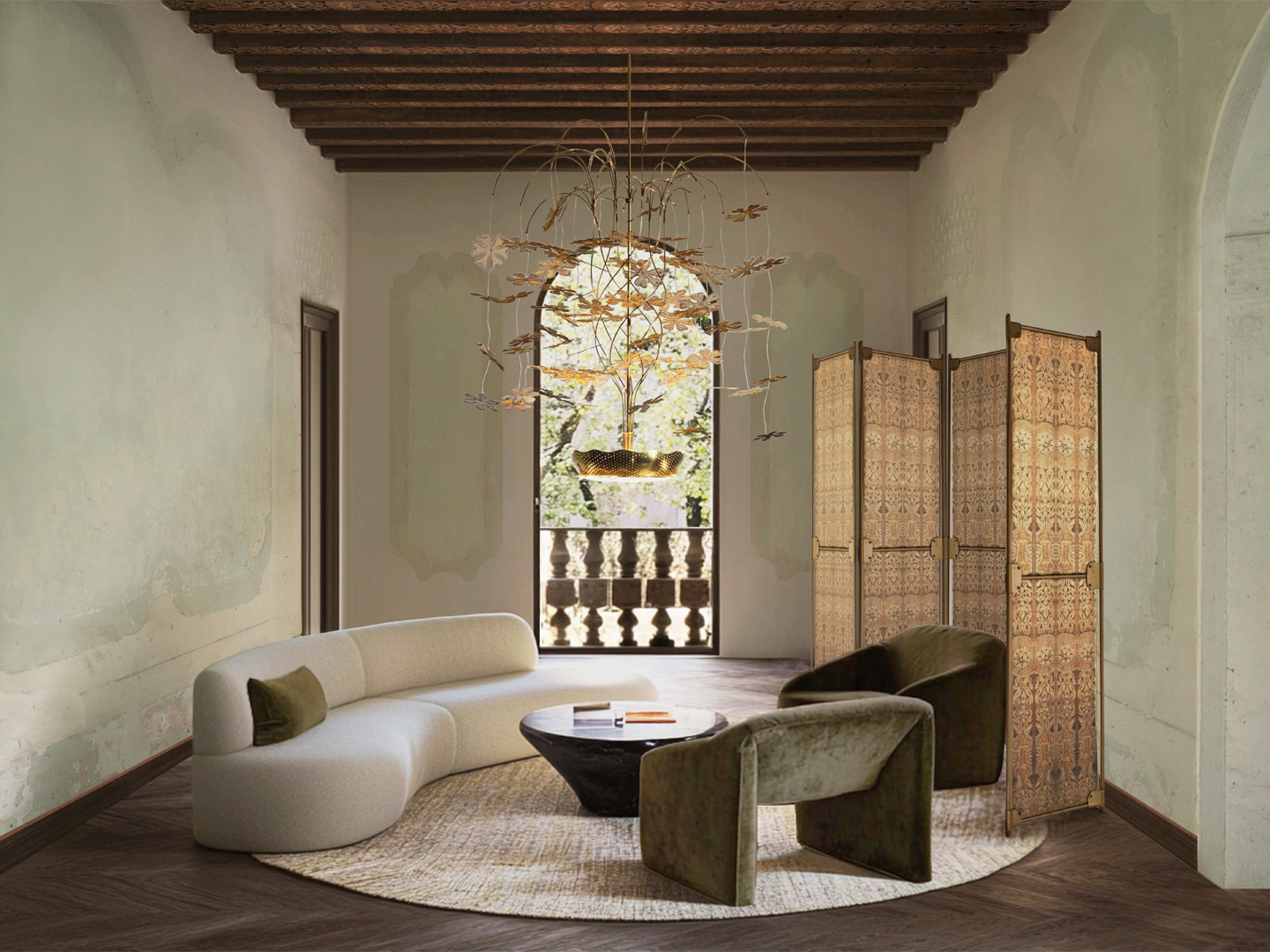
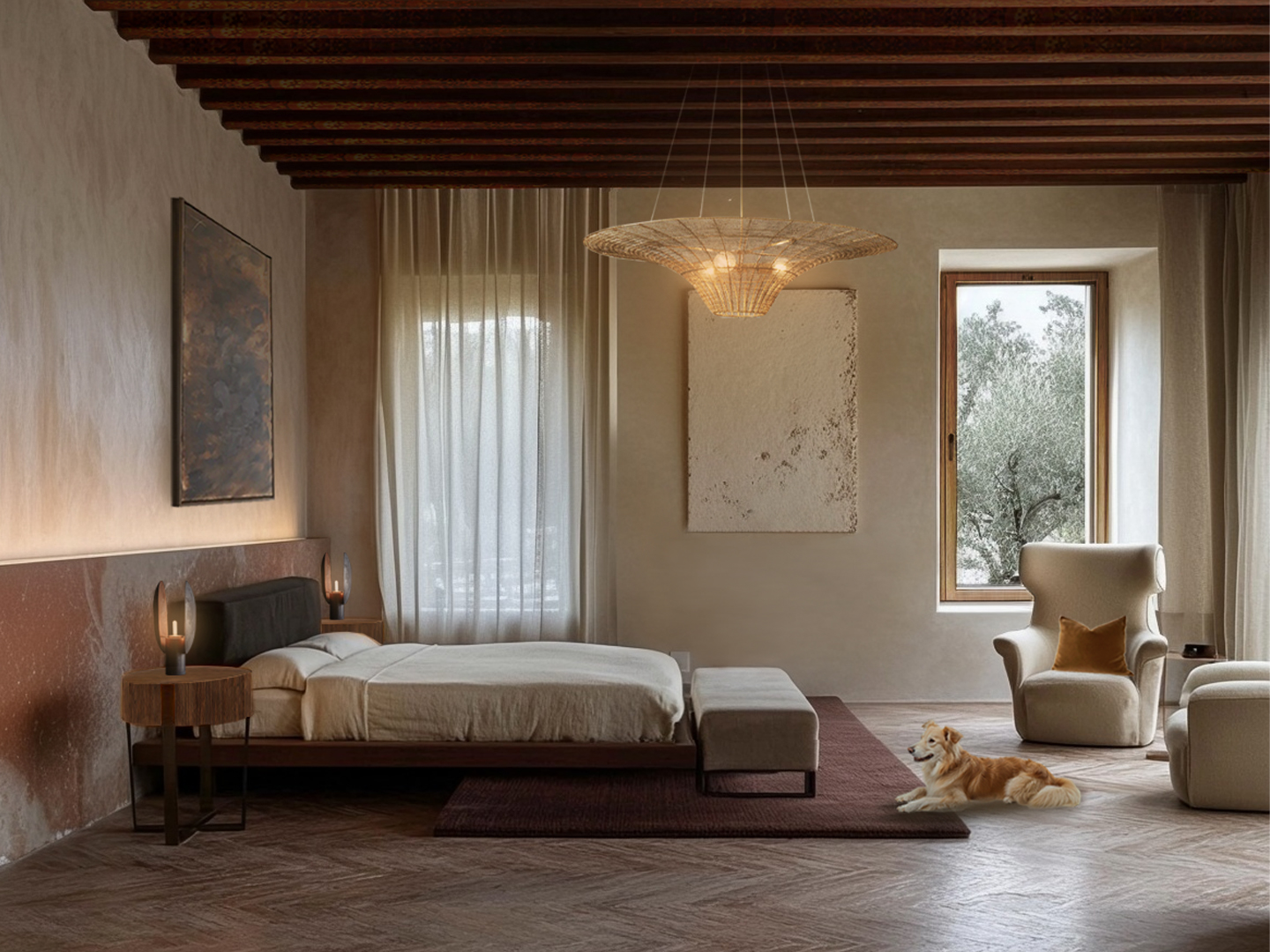
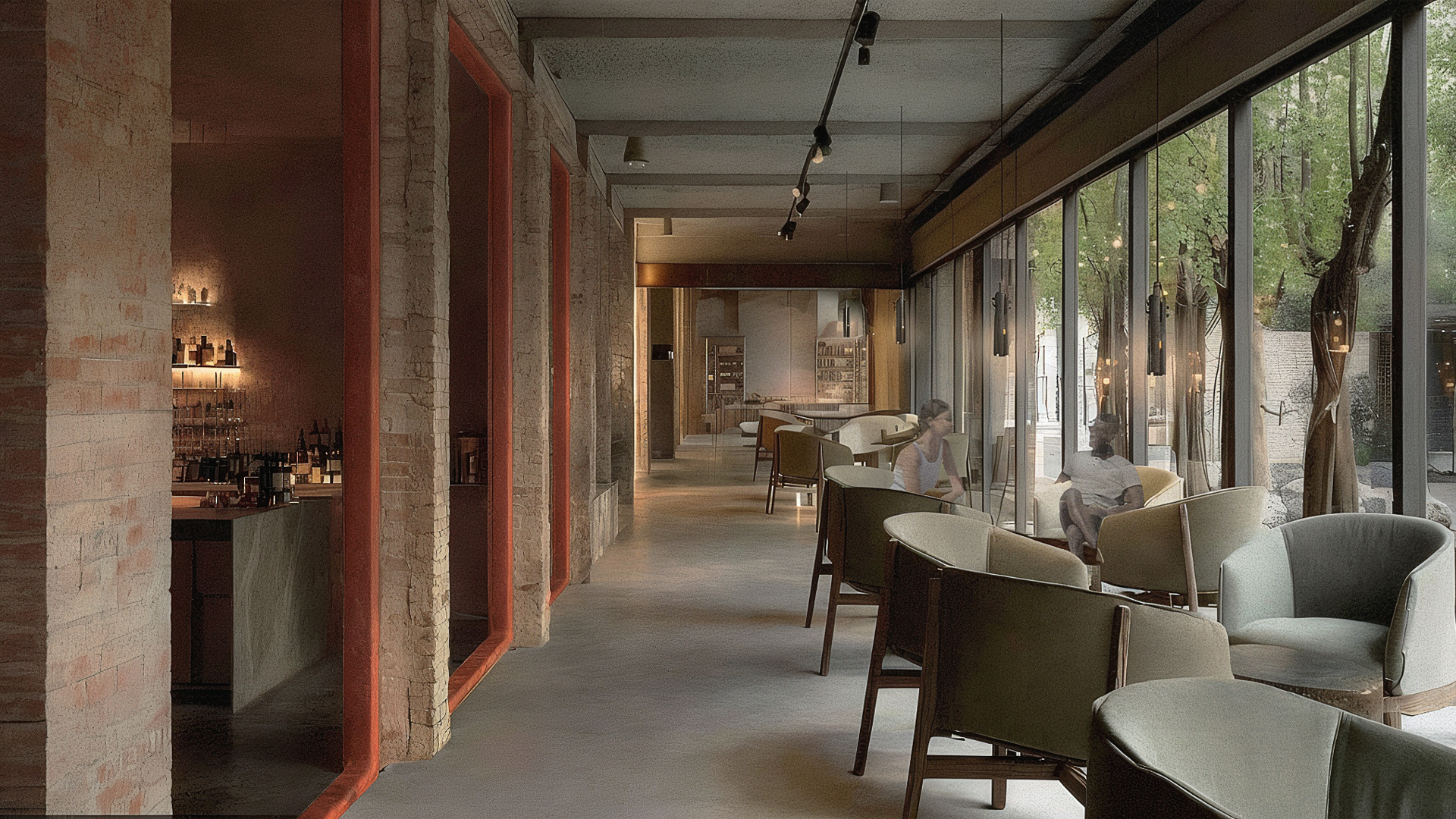
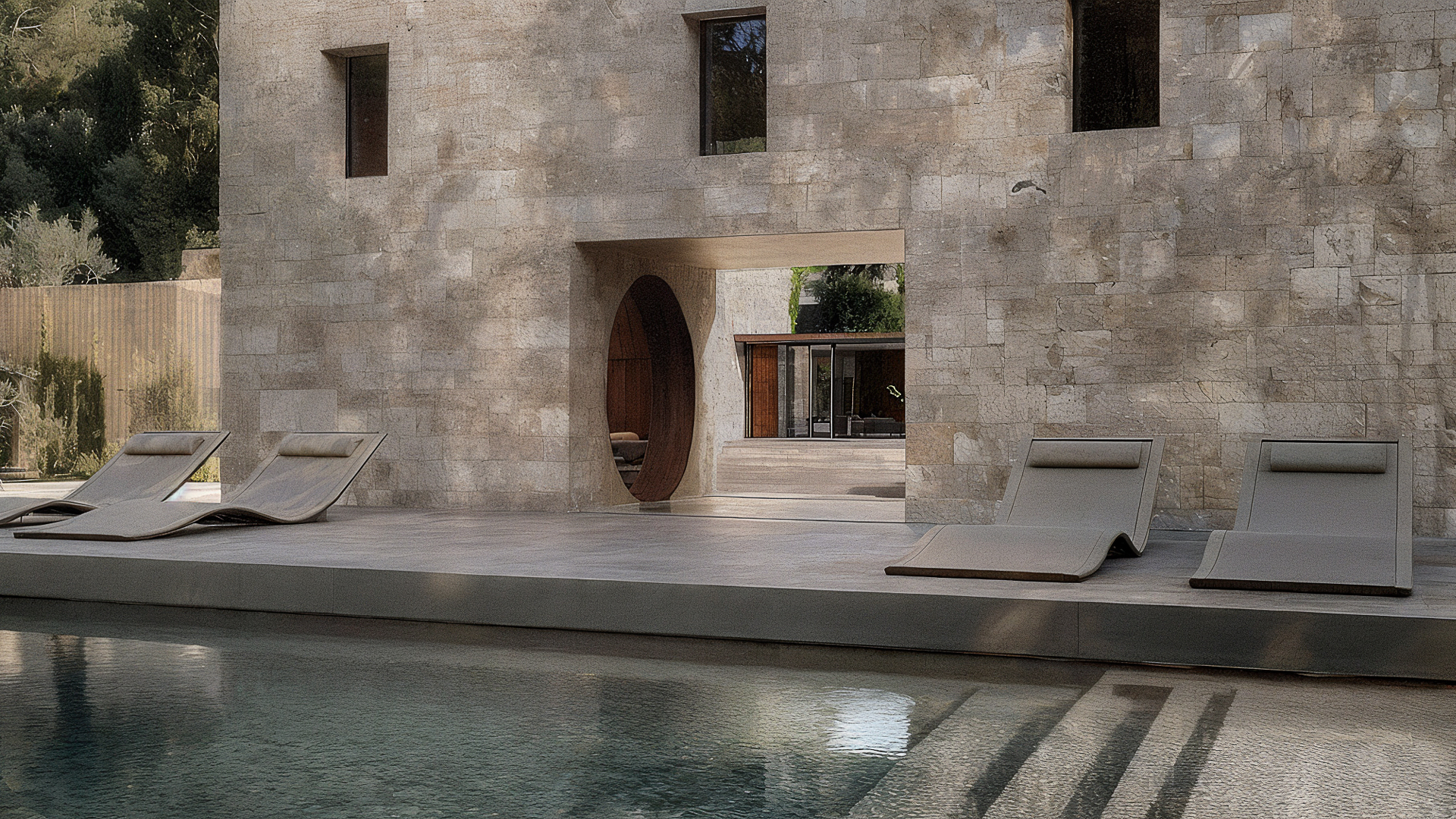
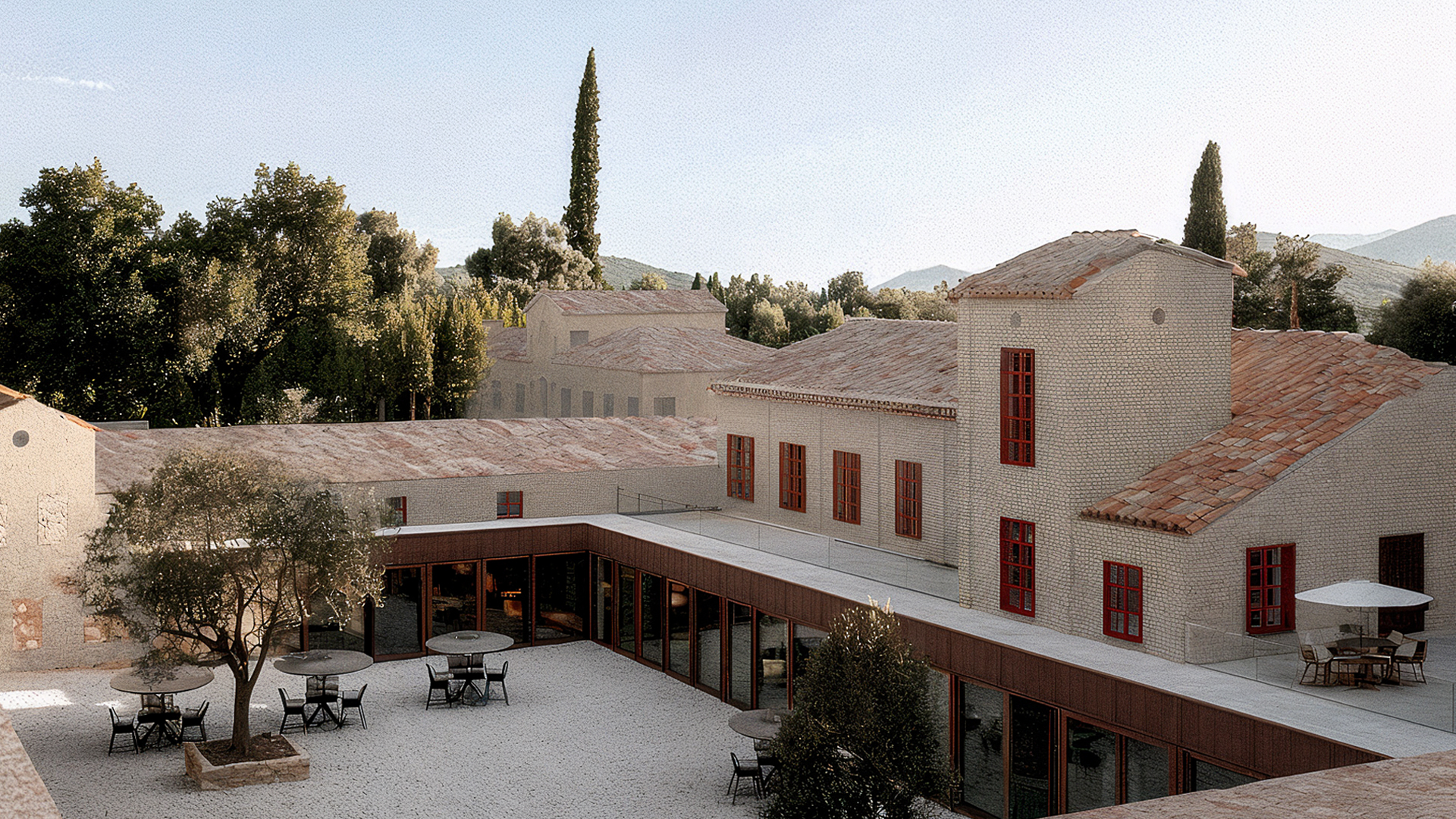
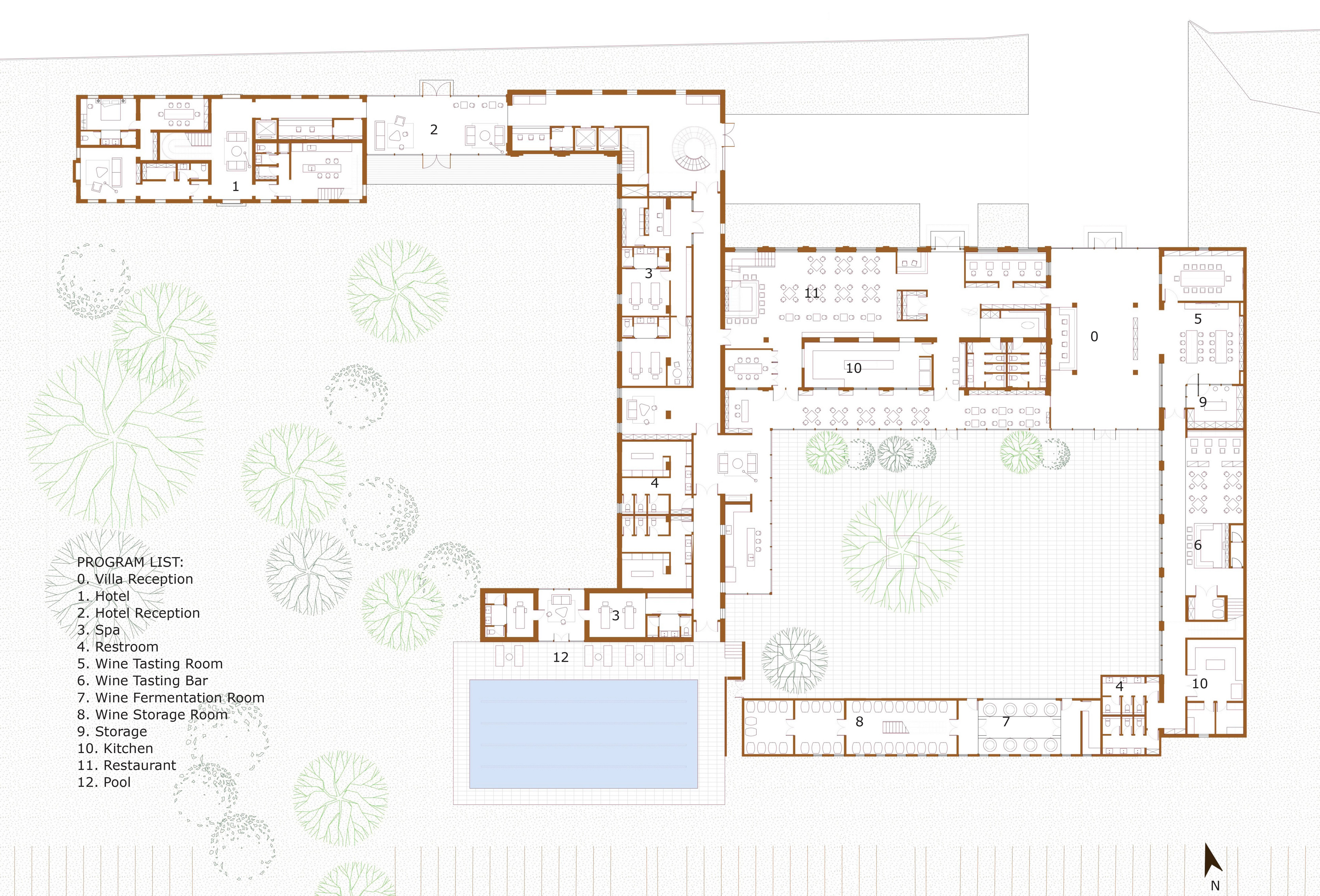
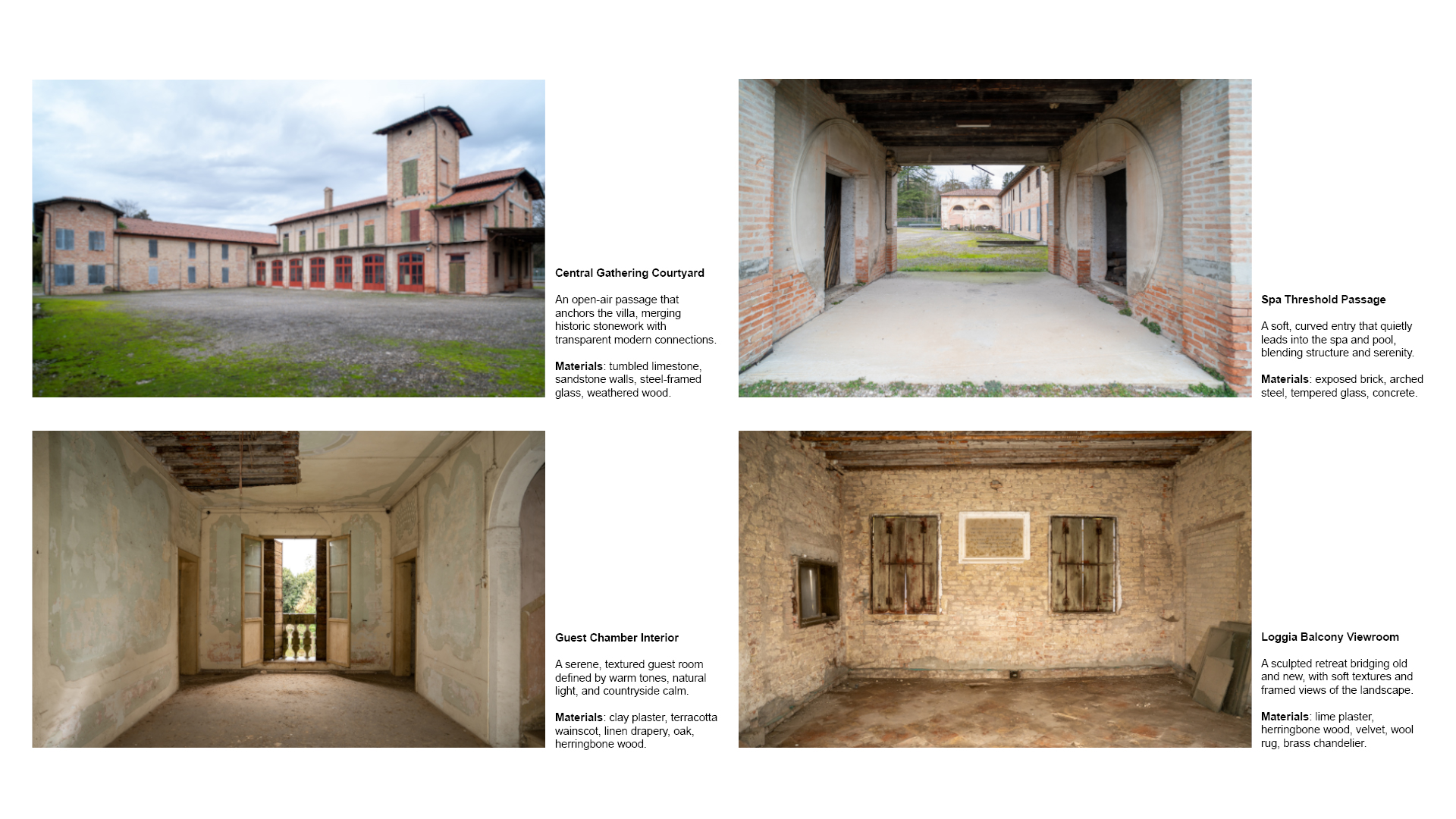
Image Credit :
Project Overview
In the quiet countryside of Campocroce, where the rhythms of agriculture once harmonized with Venetian retreat, Villa Meneghetti stands not as a monument but as a memory in suspension. "Dwelling in Time" reframes this fragmented landscape not through erasure or preservation, but through grafting - a careful stitching of architecture, time, and terrain into a new spatial and seasonal narrative.
At its core is a promenade - a connective thread that moves through, between, and around the existing buildings. Neither axial nor ornamental, it is choreographic: a path of rhythm and lightness composed of glazed corridors, bronze thresholds, and minimalist white stone facades. This quiet infrastructure links wine shop, tasting room, restaurant, and boutique hotel into a continuous yet varied procession.
The villa's facades are treated not as blank surfaces but as textured relics - framed and protected by new colonnades and transparent enclosures. These additions do not overwrite the past; they hold it in tension, creating a living archive where space carries the imprint of weather and time.
This is not a singular gesture but a system of restrained, reciprocal acts - between inside and outside, past and present, guest and host. The logic follows path - nodeframe - sequence, offering architecture not as spectacle, but as experience. Through this grafted rhythm of old and new, the villa becomes an inhabited landscape, where time is not restored - but spatialized.
Organisation
Team
Jianing (Millie) Yang Yicheng Ren Yicheng Zhang Xinyi Yue
Project Brief
Villa Meneghetti is reborn as Dwelling in Time. The project turns a fragmented Venetian estate into a living agriturismo that feels rooted, elevated, and effortless. Instead of a new object, it offers a way to move and dwell. A continuous path draws guests through courtyards and rooms, inviting them to slow down, notice the light, and feel the quiet luxury of place.
At the center is a promenade that binds building and landscape with clarity and rhythm. It is neither axial nor ornamental. It reveals what is already there. We know that renovation can feel alien. Our additions use lime plaster, reclaimed timber, and local stone so they immerse in the village fabric and gently lift its atmosphere.
Form, material, and function work as one. Glazed connectors give legible circulation and act as seasonal buffers with shading, cross ventilation, and winter sun. Bronze thresholds and slender steel frames use dry, reversible joints that protect the historic shell and allow future change. Local stone, lime plaster, timber, and clear or translucent glass deliver authenticity, comfort, and long life.
The path links wine shop, tasting room, restaurant, and hotel into a clear sequence that balances intimacy and gathering. Spaces shift with harvests, events, and daily rituals. The result is both infrastructure and experience. It is efficient, flexible, and site sensitive. It restores meaning and hospitality while offering a replicable model for climate conscious adaptive reuse.
Project Innovation/Need
Innovation lies in reframing adaptive reuse as grafting, where new work is legible yet deferential. Seasonal glass connectors operate as climate buffers and instruments of light, turning circulation into experience. Bronze thresholds and slender steel frames employ dry, reversible joints that safeguard the historic fabric and allow future change. The additions match local tone and material, immerse in the place, and quietly elevate the villa, so the project stands out by integrating and keeping the genius loci primary.
Design Challenge
The hardest problems were cultural, technical, and temporal. Culturally, new work in a revered setting can feel alien, so we built trust with local owners, neighbors, and heritage officials through walk throughs, on site mockups, and iterative reviews. Technically, we had to reconcile breathable historic masonry with contemporary performance without trapping moisture; hygrothermal modeling, shading, and cross ventilation guided choices. Materially, we secured true local supply and trained craftspeople for consistent quality. Operationally, we phased construction around harvest seasons, used off site fabrication, and planned for future adaptability and easy maintenance.
Sustainability
Adaptive reuse preserves structure, cuts embodied carbon, and protects heritage. Reversible connections and local materials such as stone, lime plaster, reclaimed timber, and terrazzo enable maintenance, disassembly, and future upgrades. Historic masonry provides thermal mass; glazed connectors act as seasonal buffers with shading, operable windows, and cross ventilation. Water wise planting and permeable paving support biodiversity. Socially, the agriturismo sustains local jobs and craft, opens courtyards for community use, hosts workshops, and offers flexible rooms that adapt to future needs, strengthening stewardship and slow tourism.
Architecture - Commercial - Proposed
This award celebrates the design process and product of planning, designing and constructing form, space and ambience that reflect functional, technical, social, and aesthetic considerations. Consideration given for material selection, technology, light and shadow. The project can be a concept, tender or personal project, i.e. proposed space.
More Details