

Key Dates
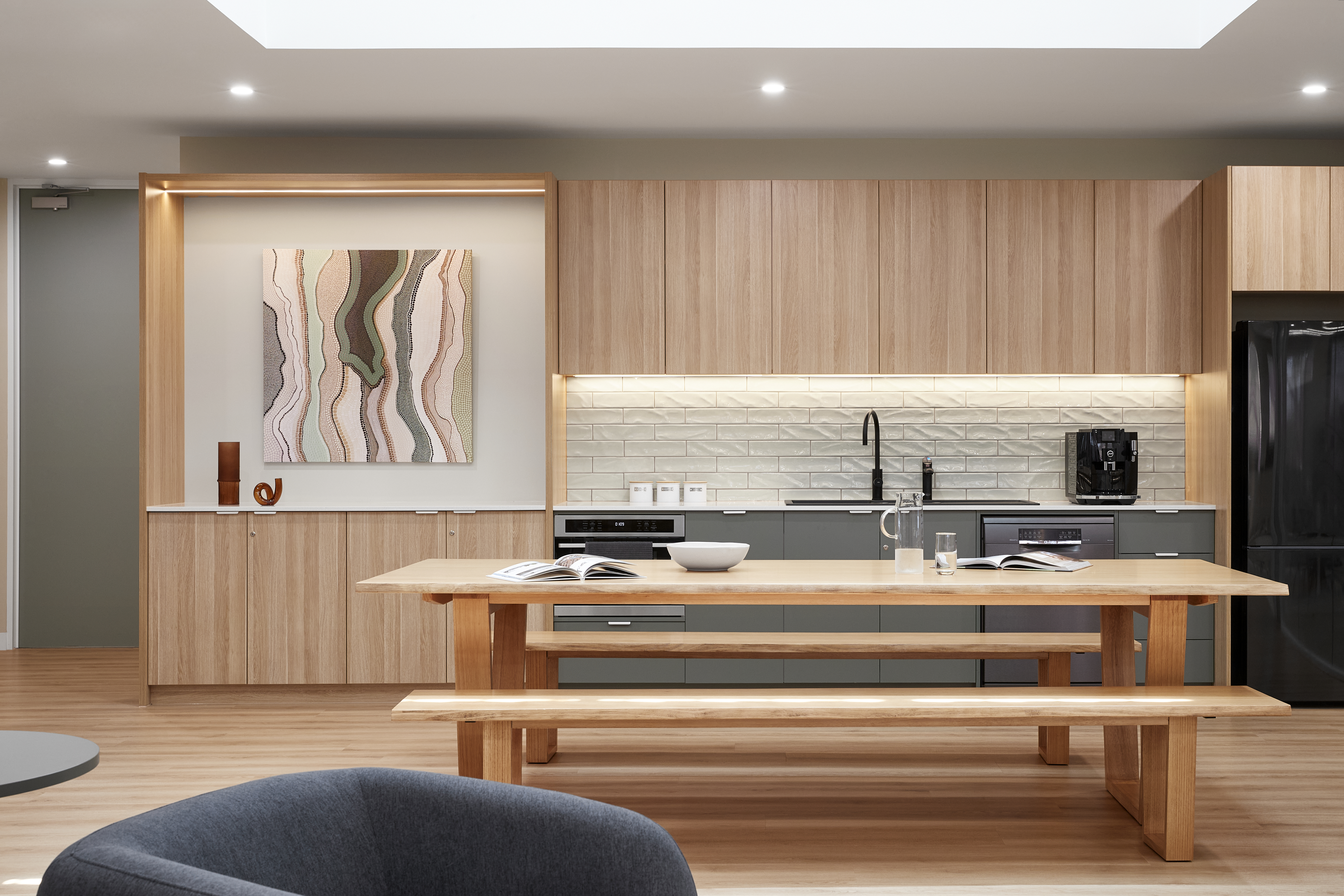
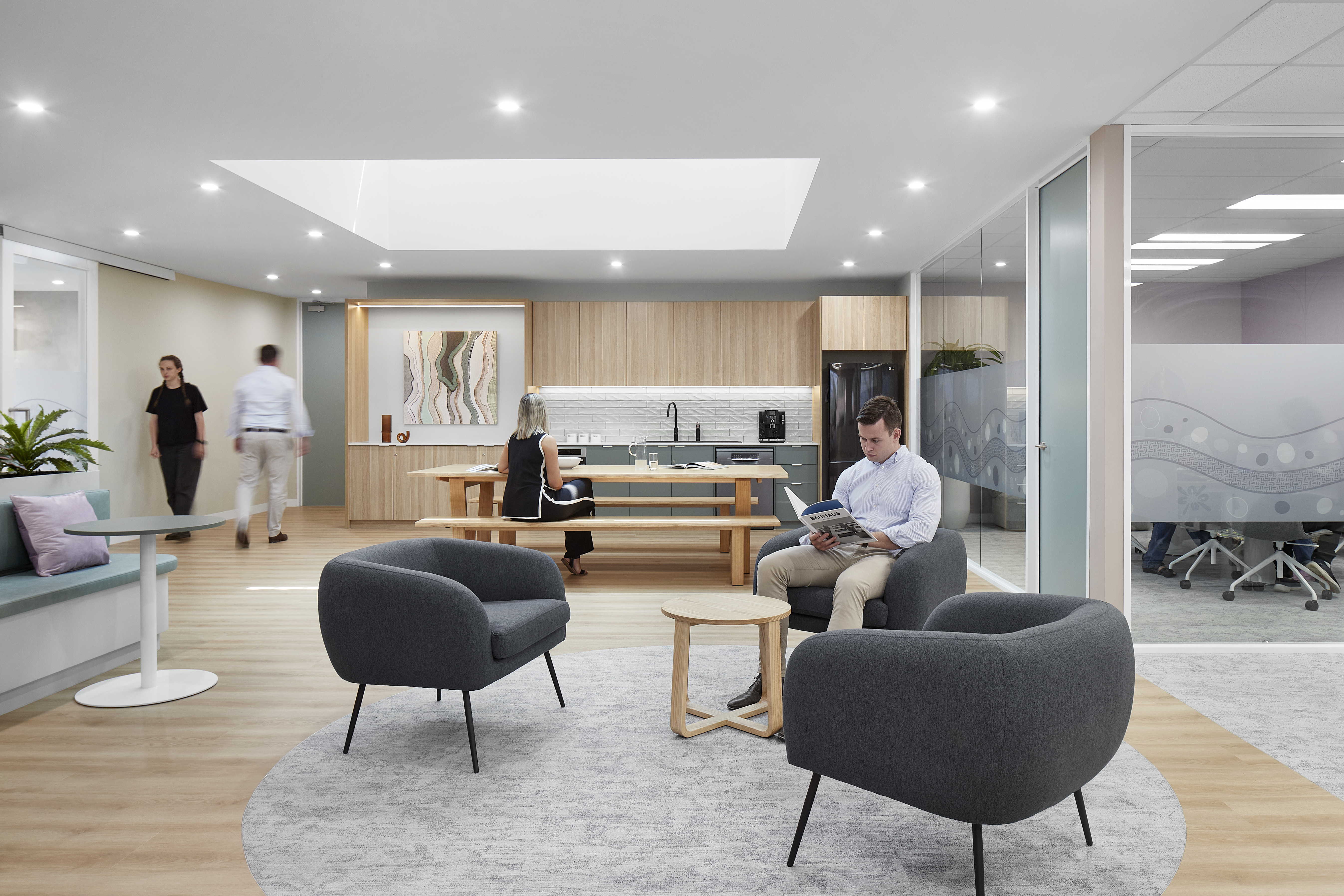
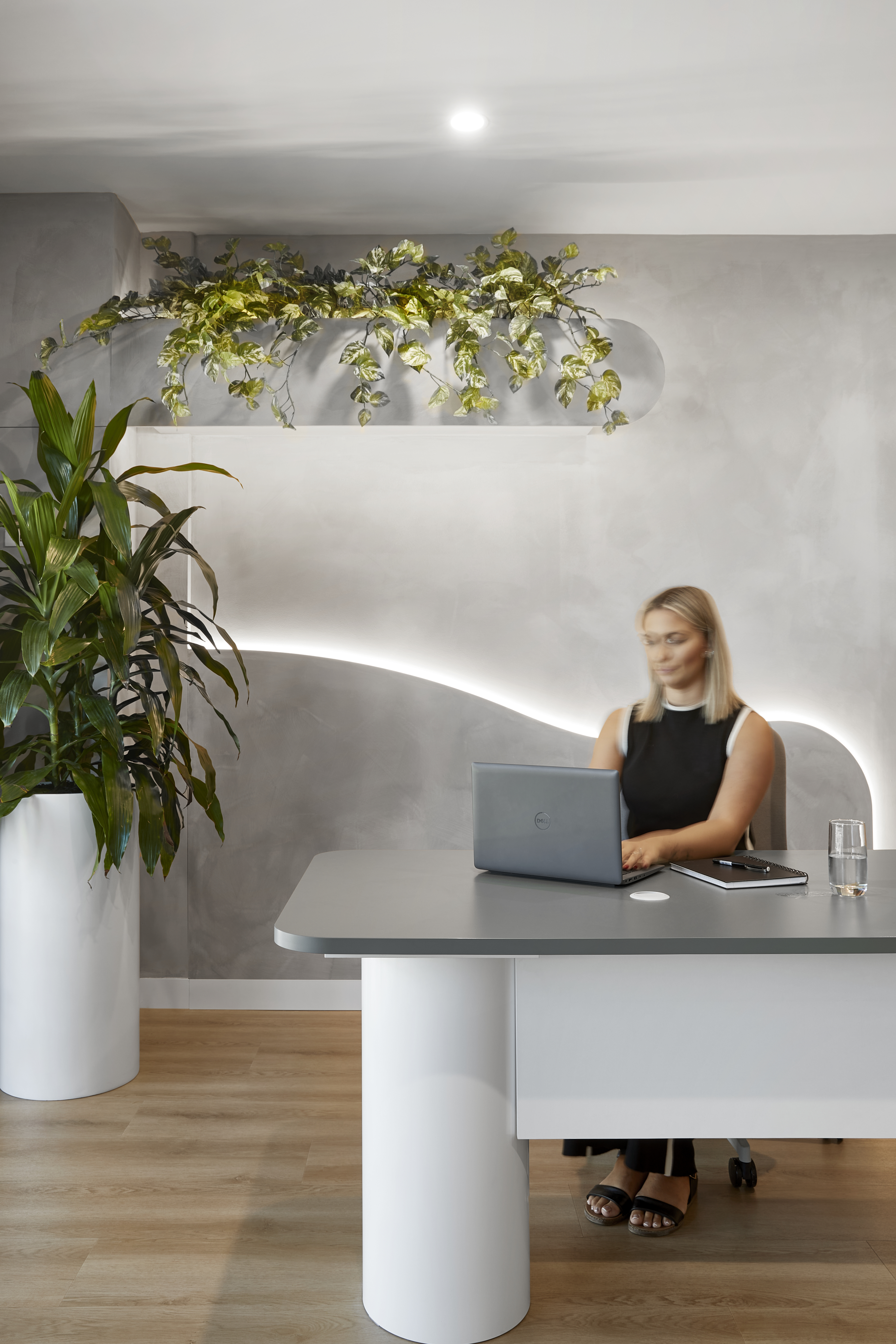
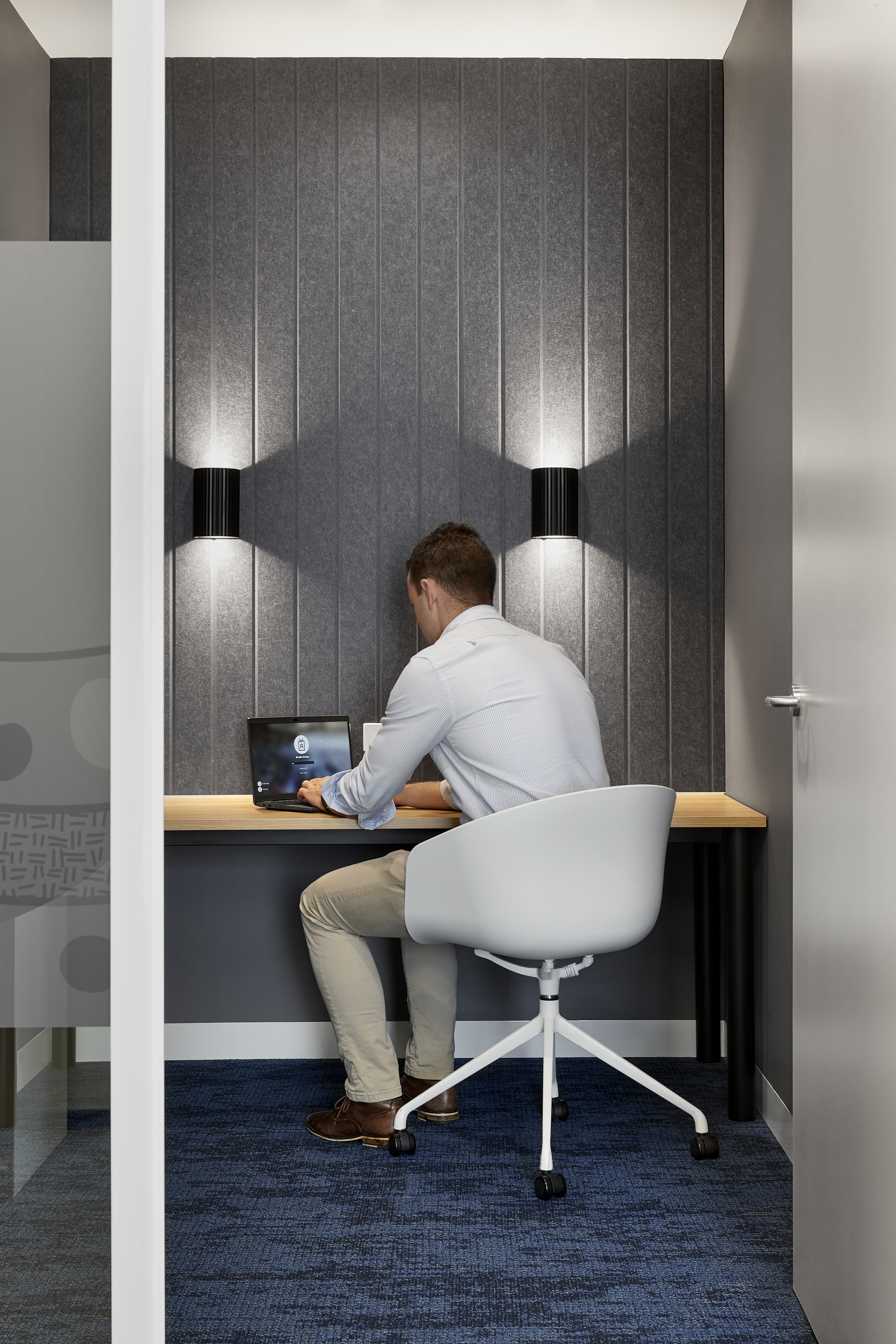
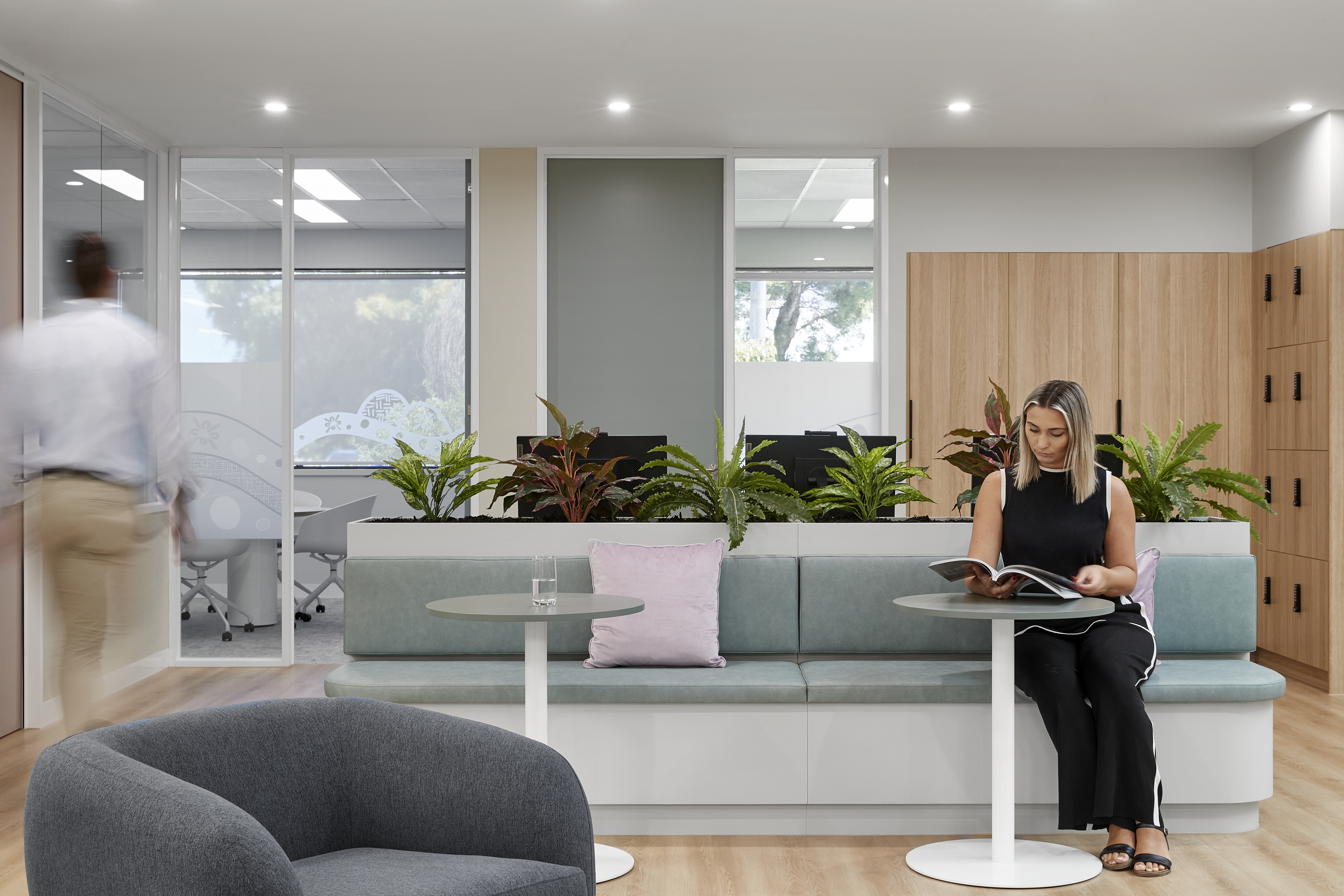
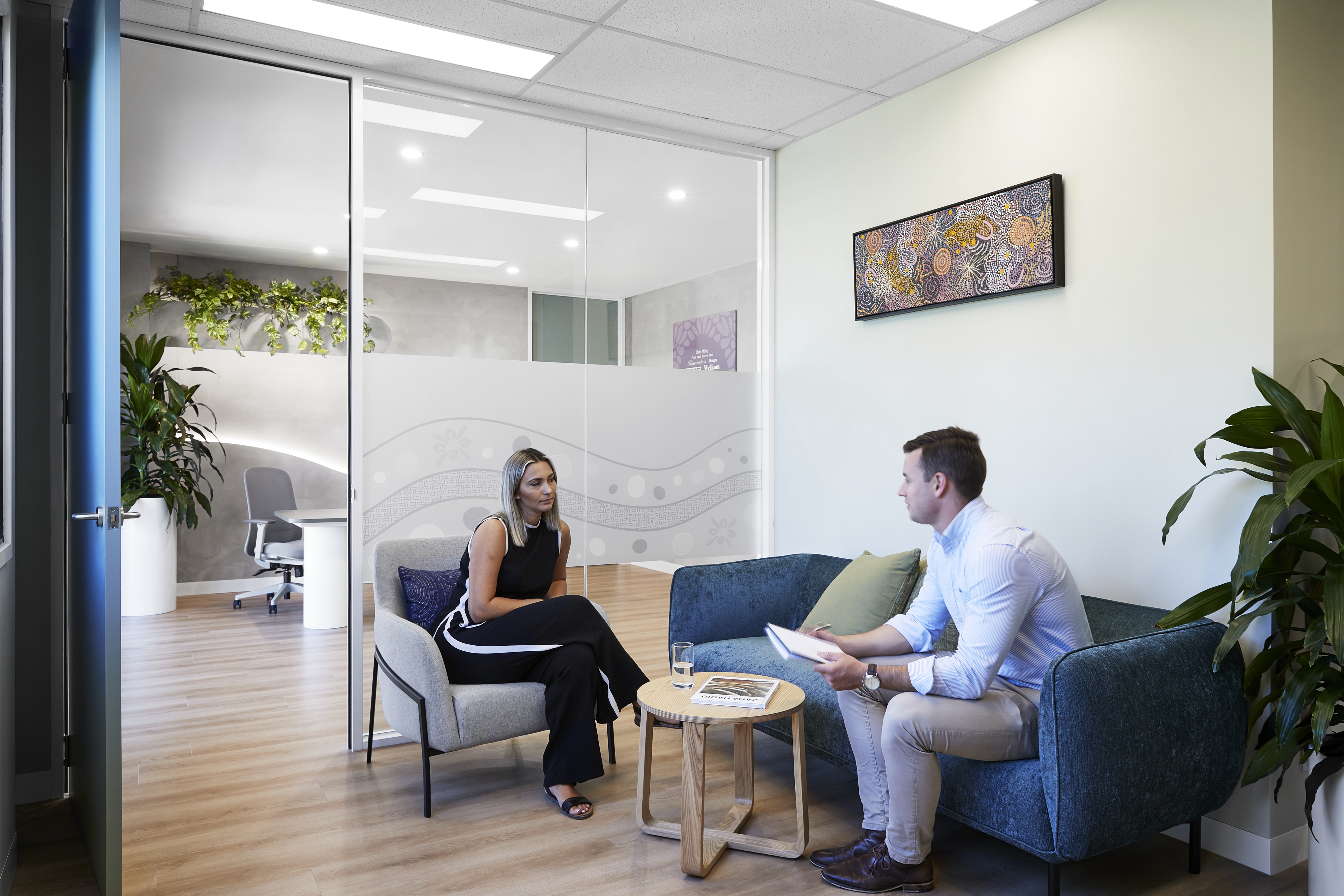
Image Credit : Shannon McGrath
Project Commissioner
Project Creator
Project Overview
The Latrobe Mental Health and Wellbeing Local project began as a bold vision to create a community space unlike any other. This pioneering initiative set out to defy the cold, clinical designs typically associated with mental health facilities, instead offering a safe, inclusive, and warm environment dedicated to fostering mental well-being.
From the outset, safety was the cornerstone of the project. Every detail was planned to ensure a secure atmosphere, with multiple safety zones, secure doors, and swipe access controls woven seamlessly into the design. Innovative audible technology further enhanced these measures, ensuring that doors remained securely closed, providing an added layer of safety.
What truly sets this project apart is its heartfelt commitment to creating a welcoming and inclusive atmosphere. The design process was a collaborative effort, bringing together local artists and community members. Their input helped shape a space that celebrates cultural diversity and inclusivity, making it a true reflection of the vibrant community it serves.
Drawing inspiration from the tranquillity of nature, soothing color palettes and natural elements were incorporated throughout the space. This thoughtful approach creates a serene ambiance, offering a sense of peace and comfort to all who enter.
The result is a space boasting innovation and compassion in the realm of mental health care. With meticulous attention to detail and a steadfast dedication to inclusivity, this project not only supports mental health and well-being but also sets a new standard for community spaces everywhere.
Team
Project Brief
The project embodies a profound understanding of the brief, intricately weaving safety measures and inclusive design principles. Through the diligent implementation of safety zones, secure access controls, and cutting-edge technologies, the result is a sanctuary that ensures the well-being of all guests, aligning with our project objectives.
Moreover, our dedication to cultural inclusivity shines through collaborative efforts with local artist Gina Bundle. As a Yuin / Monaro woman, Gina's contribution infuses our space with the rich heritage of the Wurundjeri Peoples. Multilingual welcome displays and culturally resonant artwork reflect our progressive approach to architecture and design, fostering an environment of belonging and respect.
Our project is more than just a building; it’s a beacon of innovative design, a place that exceeds expectations while championing inclusivity. It stands as proof to what can be achieved when we prioritize mental wellness and create spaces that truly reflect the heart and soul of the communities they serve.
Project Innovation/Need
The space represents a novel innovation to mental health facility design, diverging significantly from traditional clinical environments.
This project stands out for its emphasis on inclusivity and warmth, moving away from the stark, sterile aesthetics typically associated with healthcare settings.
The design incorporates soothing color palettes and natural elements, inspired by nature, to create a serene and welcoming atmosphere conducive to mental well-being. A key innovation is the integration of multiple safety zones, secure doors, and advanced swipe access controls, coupled with innovative audible technology to ensure doors remain securely closed, thereby enhancing the overall safety of the space.
Additionally, the project places a strong emphasis on cultural inclusivity. By collaborating with local artists, the space celebrates cultural diversity, evident by the multilingual welcome displays and culturally resonant artwork reflective of the community's rich heritage.
This commitment to inclusivity ensures that the space is not only safe but also welcoming to all. The nature-inspired design, with its calming colours and materials, further promotes a serene environment, which is essential for mental health and well-being.
Overall, the project redefines the traditional expectations of mental health facilities, setting a new standard that prioritises safety, inclusivity, and a calming atmosphere, ultimately enhancing the experience and well-being of its users.
Design Challenge
The design challenge was multifaceted, involving stringent requirements for materials, a deep understanding of the market, precise timing, and effective communication.
One of the primary challenges was creating a space that catered to a diverse user base, including nurses, therapists, and guests while maintaining a welcoming and non-clinical atmosphere. This required innovative material choices that combined safety with aesthetics, such as anti-ligature features in bathrooms and the use of natural elements to create a calming environment.
Understanding the market was crucial, as the project aimed to address the specific needs of the local community. This necessitated extensive consultations with stakeholders, including service providers, staff, and individuals with lived experiences. These consultations informed the design, ensuring it was culturally inclusive and responsive to the community's needs.
The timing was another challenge, with a strict deadline for completion. The project team had to meticulously plan and coordinate every phase to ensure the space was ready for use by the targeted launch date, all while staying within budget constraints.
Effective communication was essential to align all stakeholders, from local artists contributing to the design to contractors executing the plan. The use of comprehensive consultation processes, including in-person meetings and surveys, ensured that every aspect of the design was carefully considered and that all voices were heard.
Overall, the project navigated these challenges through a combination of innovative design, community engagement, and meticulous planning, resulting in a space that is safe, welcoming, and reflective of the community it serves.
Sustainability
Our approach to sustainability was holistic, prioritizing local sourcing, material reuse, and minimizing the carbon footprint to ensure both environmental and economic sustainability.
From the beginning, we focused on engaging local trades and suppliers to reduce transportation emissions and bolster the community’s economy. This strategy not only minimized our carbon footprint but also fostered local employment and strengthened community ties.
We implemented rigorous waste management practices, emphasizing the reuse and recycling of materials whenever possible. For instance, flooring and finishes were carefully selected for their low volatile organic compounds (VOCs), which contribute to healthier indoor air quality and are more environmentally friendly.
Energy efficiency was a key focus, with the integration of energy-efficient lighting, heating, and cooling systems. Additionally, we used a carbon reduction calculator to monitor and minimize the project’s carbon footprint throughout its lifecycle. Water-efficient fixtures were also installed to reduce water consumption, aligning with our sustainability goals.
Our design philosophy embraced the ethos of "less is more," emphasizing the minimalistic and efficient use of resources while maintaining aesthetic and functional quality. This principle extended to our selection of materials and construction methods, ensuring that each choice contributed to a sustainable outcome.
Overall, our commitment to sustainability was reflected in every aspect of the project, from planning to execution, resulting in a space that not only meets the needs of its users but also leaves a positive environmental legacy.
Interior Design - Public or Institutional
This award celebrates innovative and creative building interiors with consideration given to space creation and planning, furnishings, finishes and aesthetic presentation. Consideration also given to space allocation, traffic flow, building services, lighting, fixtures, flooring, colours, furnishings and surface finishes.
More Details